Space X satellite and Chinese rocket had a disturbing close encounter as Earth's orbit gets overcrowded

&imwidth=600&imheight=450&format=webp&quality=medium "Space X satellite and Chinese rocket had a disturbing close encounter as Earth's orbit gets overcrowded")
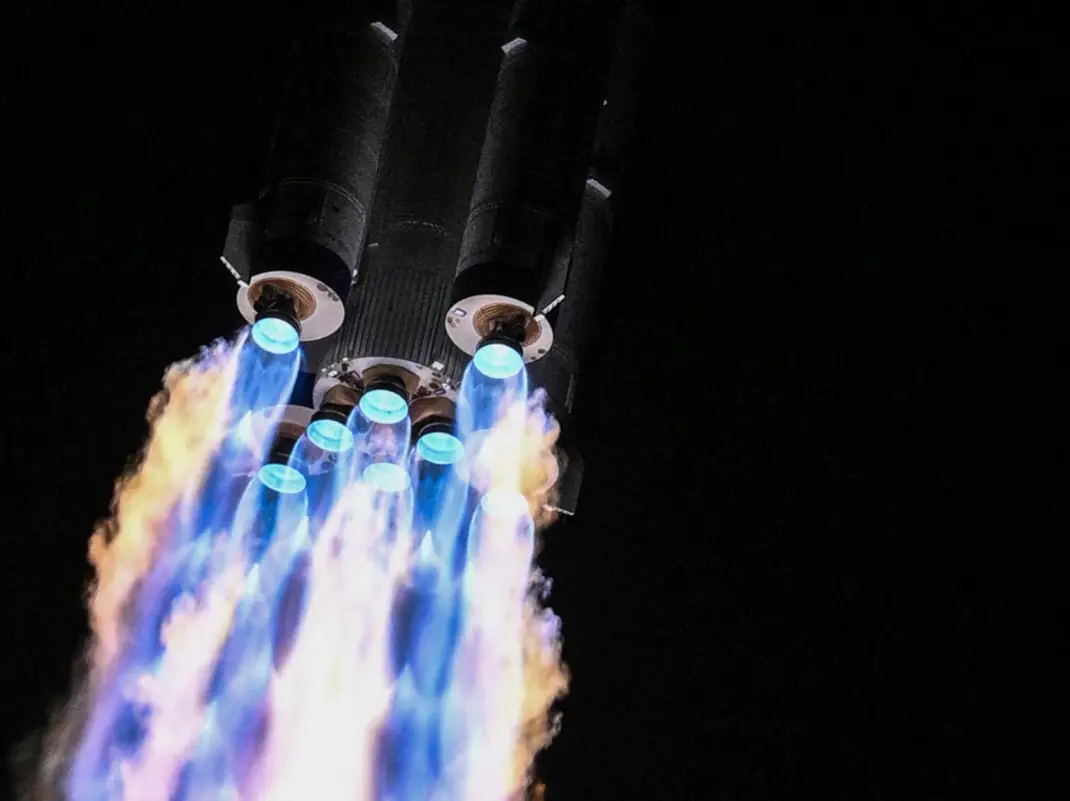
Representational Image Photograph: (AFP)
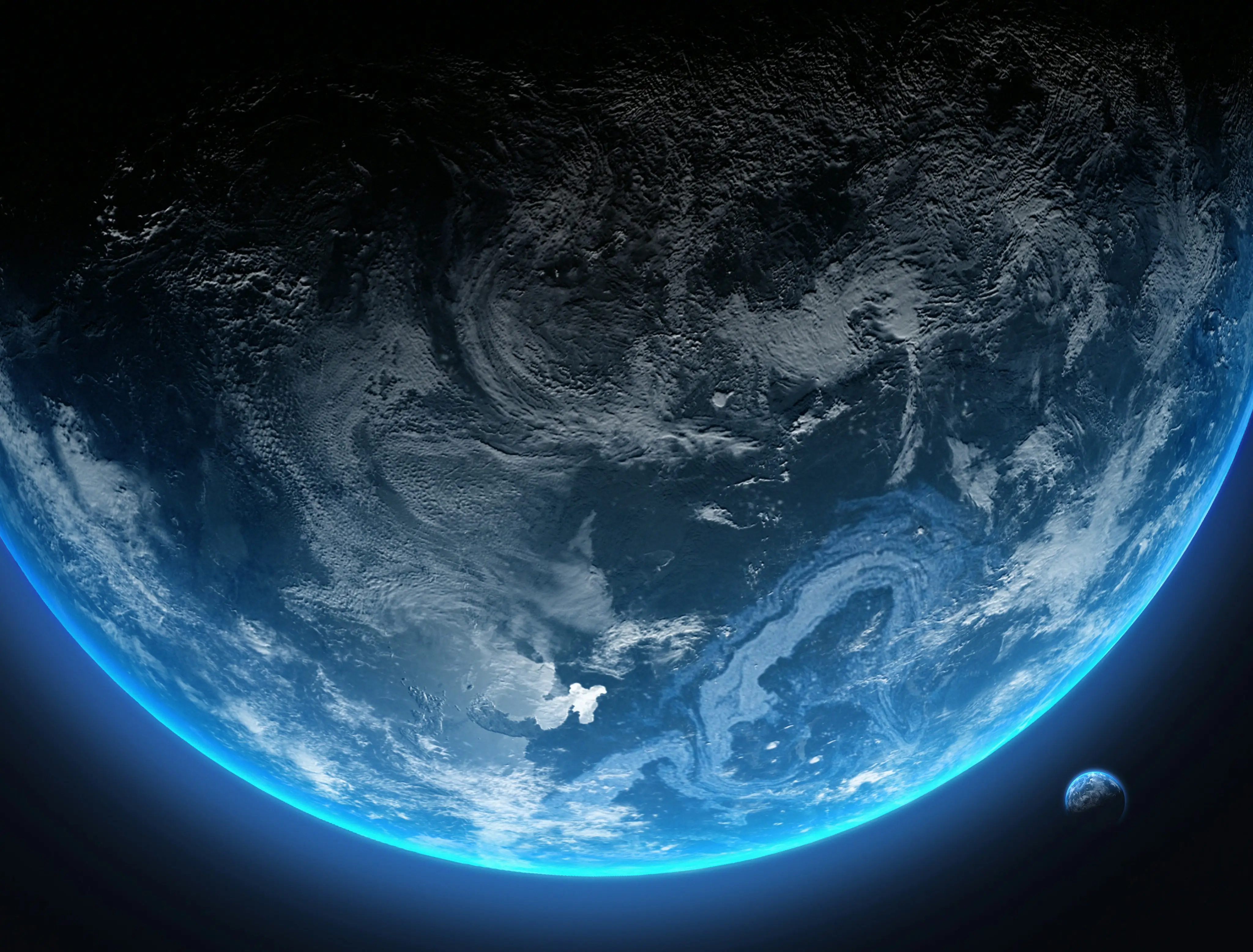
A SpaceX Starlink satellite narrowly avoided a collision with China’s Kinetica-1 rocket, coming within 200 metres in low Earth orbit. The incident has reignited concerns over space debris, satellite congestion, and the risk of a catastrophic Kessler syndrome.
SpaceX's STARLINK-6079 satellite had a close encounter with the Chinese Kinetica 1 rocket, coming as close as 200 meters, sparking fear of a collision in low Earth orbit. “When satellite operators do not share ephemeris for their satellites, dangerously close approaches can occur in space,” said Starlink engineering VP Michael Nicolls.
The Chinese Kinetica rocket was launched on December 9, 2025, by the Guangzhou-based space company CAS Space from the Jiuquan Satellite Launch Centre in the Gobi Desert. It carries six Chinese multifunctional satellites. “Our team is currently in contact for more details,” CAS Space tweeted. It asserted that all CAS space rockets use their launch window system with ground-based cooperation to avoid collision with space debris and other space objects. It also agreed with Nicholis for further collaboration to avoid orbital collisions. “This calls for re-establishing collaborations between the two New Space ecosystems,” wrote the CAS Space in a follow-up.
Clusters of satellites are a ticking time bomb
There are roughly 13,000 functioning satellites present in the Earth's orbit; among them, SpaceX alone has close to 9,300 satellites, almost ⅓ of which were launched in 2025. According to a Harvard Astrophysicist, Jonathan McDowell, there is at least one or two satellites that collapse every day. Nearly 54,000 space objects with a size of four inches remain as space debris in orbit, whereas nearly 140 million other pieces measuring between 0.04 inches and 0.39 inches are available in space. According to Leo Labs, this is a ticking time bomb. At any moment, just a single collision could set off a chain reaction dubbed the Kessler syndrome, potentially rendering orbits unusable for satellites and space travel for generations.