SpaceX launches Starship on fourth test flight

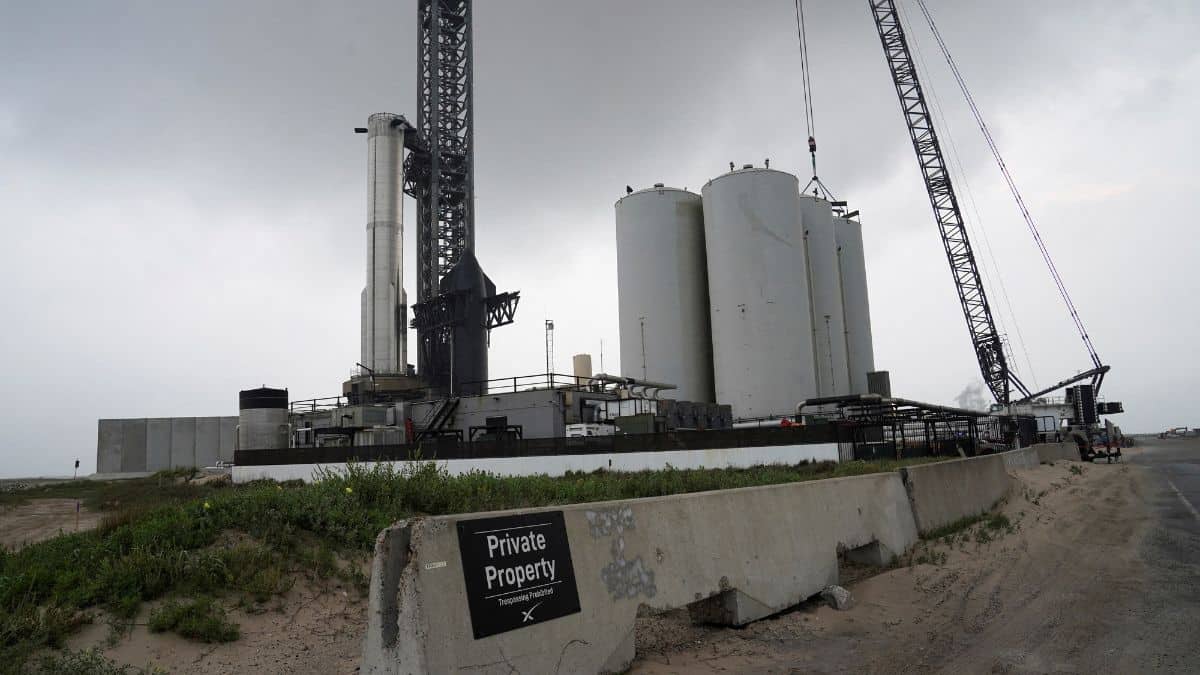
SpaceX's Starship rocket
SpaceX's giant prototype rocket Starship on Thursday lifted off on its fourth test flight in an attempt to reach outer space and then back to Earth surviving the hot re-entry through the planet's atmosphere.
Notably, at the time of its previous attempt, the rocket broke apart during this crucial phase.
Starship, which is also the most powerful liftoff system ever built, embarked on its journey from Starbase in Boca Chica, Texas at 7:50 am (1250 GMT).
"The payload for these flight tests is data," SpaceX posted on X. "Building upon what we achieved during Starship's third flight test, our primary goal today is to get through the extreme heat of reentry."
Starship, in its third test launch, burned up during its return trip to Earth. After a hiatus of seven months following its inaugural flight last April, SpaceX swiftly followed up with two more test flights in November and one in March.
Departing from Boca Chica, Texas, and traversing the Gulf of Mexico, the vessel's third flight completed a circumnavigation of our planet.
Unfortunately, communication was lost during the final phase of the test as it descended into the atmosphere.
The rocket this time is covered with several small black tiles that are specifically designed to safeguard the spacecraft from extensive heat encountered while making a re-entry into the earth's atmosphere at hypersonic speed.
"The main goal of this mission is to get much deeper into the atmosphere during reentry, ideally through max heating," Musk, CEO of SpaceX, wrote on social media on Saturday (Jun 1).
The company, led by entrepreneur and business magnate Elon Musk has been pushing the boundaries of space travel with its Starship project. Musk is aiming to revolutionise missions to the Moon, Mars, and beyond.
SpaceX has also announced plans for lunar missions with its Starship vehicle, including the "Dear Moon" project, which intends to send artists and other private individuals on a lunar flyby mission.
(With inputs from agencies)