Social media rampant source of misinformation on coronavirus, says study

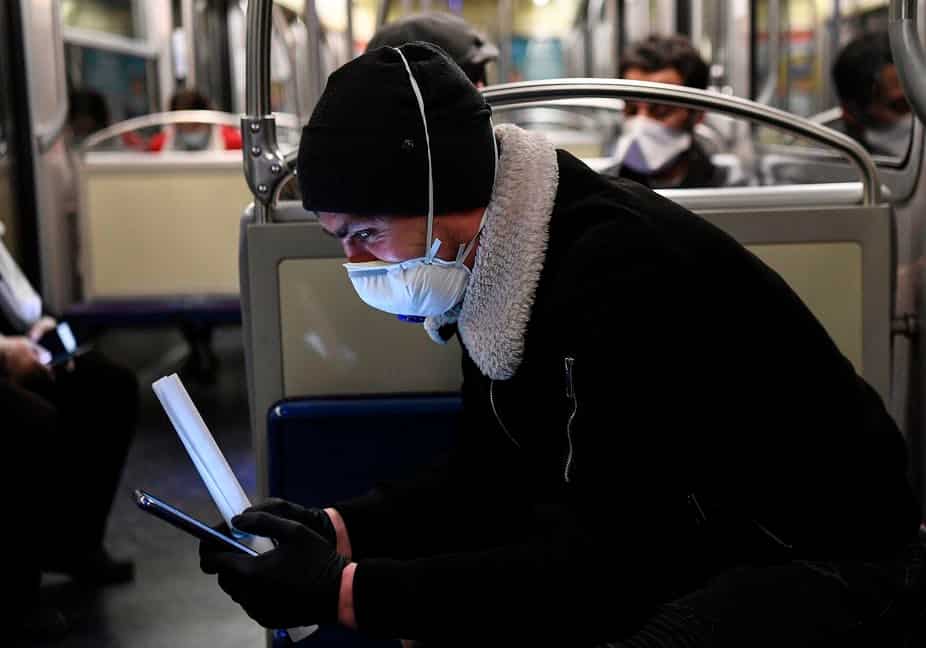
Social media in times of coronavirus
A new study has found that people who relied on social media or conservative news outlets in early days of the coronavirus outbreak were more likely to be misinformed about the pandemic. They are also more likely to believe conspiracy theories surrounding the novel coronavirus.
The study, published in the journal Harvard Kennedy School Misinformation Review, found that there were notable differences in views about the coronavirus that correlated with people's media consumption.
The Annenberg Science Knowledge (ASK) survey on COVID-19 was conducted in early March, among a nationally representative sample of 1,008 US adults, and was led by the researchers from the University of Pennsylvania and the University of Illinois at Urbana-Champaign in the US.
Mainstream broadcast and print media usage correlated with higher levels of the correct information and lower levels of misinformation, the study said.
People who consumed broadcast news (such as ABC News, CBS News, NBC News) were more likely to say, correctly, that the novel coronavirus is more lethal than the seasonal flu.
People who consume mainstream print news (such as The New York Times, Wall Street Journal) were more likely to hold accurate beliefs about the virus.
In contrast, conservative media usage correlated with higher levels of misinformation and belief in conspiracies about the SARS-CoV-2 pandemic.
The survey found that more than 23 per cent people thought it was probably or definitely true that the Chinese had created the virus as a bioweapon. In reality, there is no evidence that can prove this.
More than 21 per cent participants thought taking vitamin C can probably or definitely prevent infection by the coronavirus. It does not.
Social media and web aggregator usage was associated with lower levels of information and higher levels of misinformation, the researchers added.
People who used social media were more likely to believe that taking vitamin C can prevent infection with the coronavirus; that some in the CDC were exaggerating the threat to harm the president and that the virus was created by the US government.
People who used web aggregators (such as Google News, Yahoo News) were less likely to believe in the effectiveness of handwashing and avoidance of symptomatic individuals as ways to prevent transmission of the virus (in early March, the asymptomatic transmission was less clear).