Foreign Intelligence Surveillance Act: US Senate renews surveillance bill despite privacy concerns

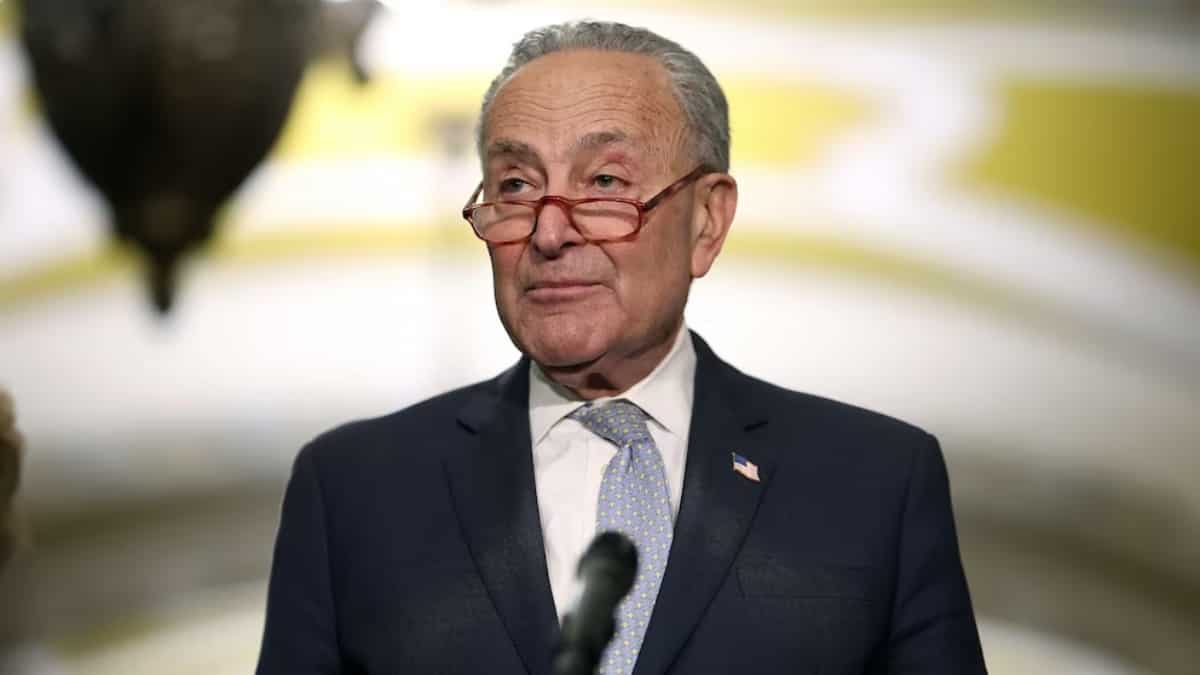
Senate Majority Leader Chuck Schumer.
The Senate voted on Friday (April 19) to renew surveillance authority billwhichaccordingto the USgovernmentisimportantfor combating terrorism. Lawmakers voted 60-34 to reauthorise Section 702 of the Foreign Intelligence Surveillance Act,which wasenacted by the House late last week.
The House passed the bill when a fresh versionwas introducedcalling for a two-year reauthorisation rather than five years, whichhelped assuage conservatives who had earlier opposed the proposal. A two-year extension would allow former President Donald Trump to change the law if he wins the 2024 presidential election.
The final vote happened after the Senate rejected six amendments from progressive and conservative senators who argued that the surveillance powers were overlywideand wanted protections forAmericans'civil liberties and privacy.
The Biden administration and FISA advocates had cautioned that even a temporary delay may harm the intelligence-gathering operation. Though senators missed the midnight deadline to reauthorise FISA Section 702, they voted to do so minutes later.
“In the nick of time, bipartisanship has prevailed here in the Senate,”said Senate Majority Leader Chuck Schumer, D-NY.
“Itwasn’teasy,people had many different views, but we all know one thing: letting FISA expire would have been dangerous.It’san important part of our national security to stop acts of terror, drug trafficking, and violent extremism. Thank you to all my Senate colleagues on both sides of the aisle for their good work in getting this done,”he added.
What is the Foreign Intelligence Surveillance Act (FISA)?
Under FISA Section 702, the government collects enormous amounts of internet and cell phone data on foreign targets.Every year,hundreds of thousands ofAmericans'information is accidentally gathered and accessed without a warrant.Critics argue that the'backdoor search'violates the privacy of Americans and that thebill'spowers are too expansive.
