Scientists may finally know why dead grey whales are washing up on US Coast

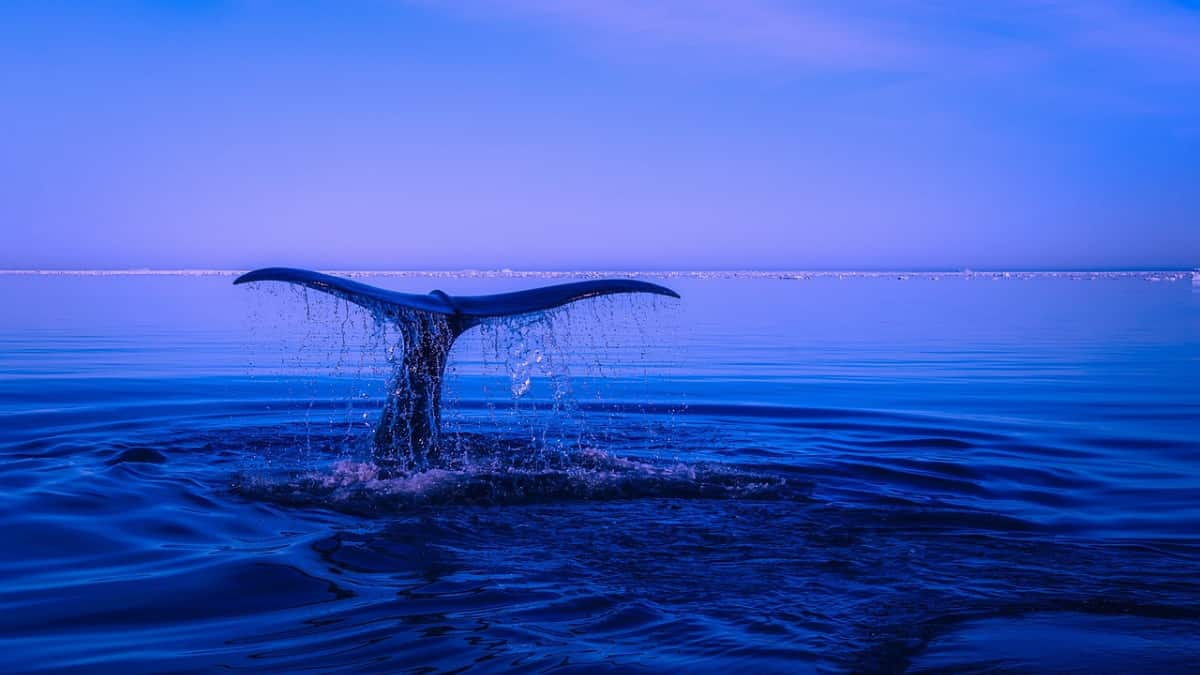
Whale
Scientists may have found the reason behind grey whales washing up dead on the Pacific coast since 2019. Scientists have been left stunned by the report of the mysterious deaths of grey whales. In a new study published in the journal Science, scientists have established links between the impact of climate change on these marine mammals.
Over the past four years, more than 680 grey whales have washed up or been found dead on North America's Pacific shores over the last four years.
The National Oceanographic and Atmospheric Administration, which releases data on whale deaths, characterised the recent increase in grey whale strandings as an "unusual mortality event".
The mammal population in the North Pacific has declined from a peak of around 27,000 in 2016 to about 14,500 in 2023.
While revealing what is behind the deaths, Joshua Stuart from Oregon State University's Marine Mammal Institute said in a statement: "These are extreme population swings that we did not expect to see in a large, long-lived species like grey whales."
"When the availability of their prey in the Arctic is low, and the whales cannot reach their feeding areas because of sea ice, the grey whale population experiences rapid and major shocks," added Stuart, who is also the author of the new study.
The latest research suggests that even species like grey whales, which are highly mobile and long-lived, can be sensitive to climate change impacts, such as the melting of the Arctic.
Explaining what was causing these deaths, Stewart told outlet KTVB,"Feels like this time we've got a pretty good 'smoking gun'".
Grey whales spend the summers in the Arctic and migrate more than 12,000 miles every year from their feeding areas to their breeding grounds in the warm, shallow lagoons of Mexico's Baja Peninsula. They spend winters there.
Grey whales in the Arctic eat amphipod crustaceans. Amphipods, in turn, feed on algae that grow on the sea ice's underside.
Stewart said in a release that "with less ice, you get less algae, which is worse for the grey whale prey" and "when there are sudden declines in the quality of prey, the population of grey whales is significantly affected".
The finding of the report means that the melting sea ice disrupts the entire food chain, but Stewart said he does not think there is currently a risk of extinction for grey whales.
WATCH WION LIVE HERE
You can now write for wionews.com and be a part of the community. Share your stories and opinions with us here.