Saudi Arabia for first time marks its founding, downplaying conservative roots

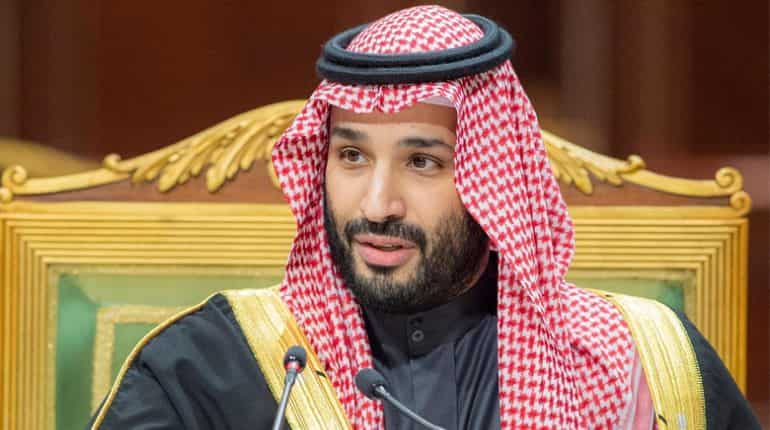
Prince Mohammed bin Salman
SaudiArabiaheld celebrations on Tuesday to commemorate for thefirsttimeitsfoundation nearly 300 years ago, choosing a date that downplays the central role played by clerics from the ultra-conservativeWahhabi school of Islam.
The government lined up events that include musical performances onSaudimodern history, fireworks, drone shows and sound effects, with 3,500 performers taking part, state media reported.
The anniversarymarksthe day in 1727 when Mohammed bin Saud, founder of thefirstSaudistate, took over the emirate of Diriyah - a remote town which now lies on the northwest edge of theSaudicapital Riyadh.
That was about 18 years before what historians generally consider as the beginning of theSaudistate when bin Saud, a tribal leader, forged an alliance with Islamic preacher Mohammed ibn Abd al-Wahhab, whose purist doctrine is often referred to as Wahhabi Islam.
The agreement with the clergy boosted the legitimacy of the Al Saud rulers in exchange for lavish funding and influence granted to theconservativereligious establishment over social issues, education and public morality - powers which have recently been curbed by the country's de facto leader.
Crown Prince Mohammed bin Salman has reined in the religious police, opened the country to concerts and cinemas, lifted a ban on women driving and eased the guardianship system, which gives men significant control over the lives of their female relatives.
A royal decree last month declared Feb. 22 an official holiday, known as "FoundingDay", to be commemorated every year in recognition of "the commencement of the reign of Imam Muhammad bin Saud" and marking the start of thefirstSaudistate.
"Mohammed ibn Abd al-Wahhab is being erased fromSaudihistory," said Kristin Diwan, senior resident scholar at the Arab Gulf States Institute in Washington.
"This is the newSaudinationalism. It celebrates the Al Saud - tying the people directly to the royal family - and downplays the pivotal role played by religion in thefoundingof the state," Diwan said.
SaudiArabia's Shura Council, an influential advisory body to the government, also approved last month a proposal to amend the law regulating the national flag and anthem. It was unclear if it will alter the content of the flag which includes the profession of Islamic faith: "There is no god but God; Muhammad is the prophet of God".
The kingdom already celebrates National Day on Sept. 23, which commemorates the victory of Al Saud over rival tribes from Hejaz region and the conquest of the two holy sites of Islam, Mecca and Medina, in 1925. The kingdom was subsequently named the kingdom ofSaudiArabiain 1932.