&imwidth=800&imheight=600&format=webp&quality=medium "Russia backs OPEC+ stability after UAE exit, warns of oil price volatility")
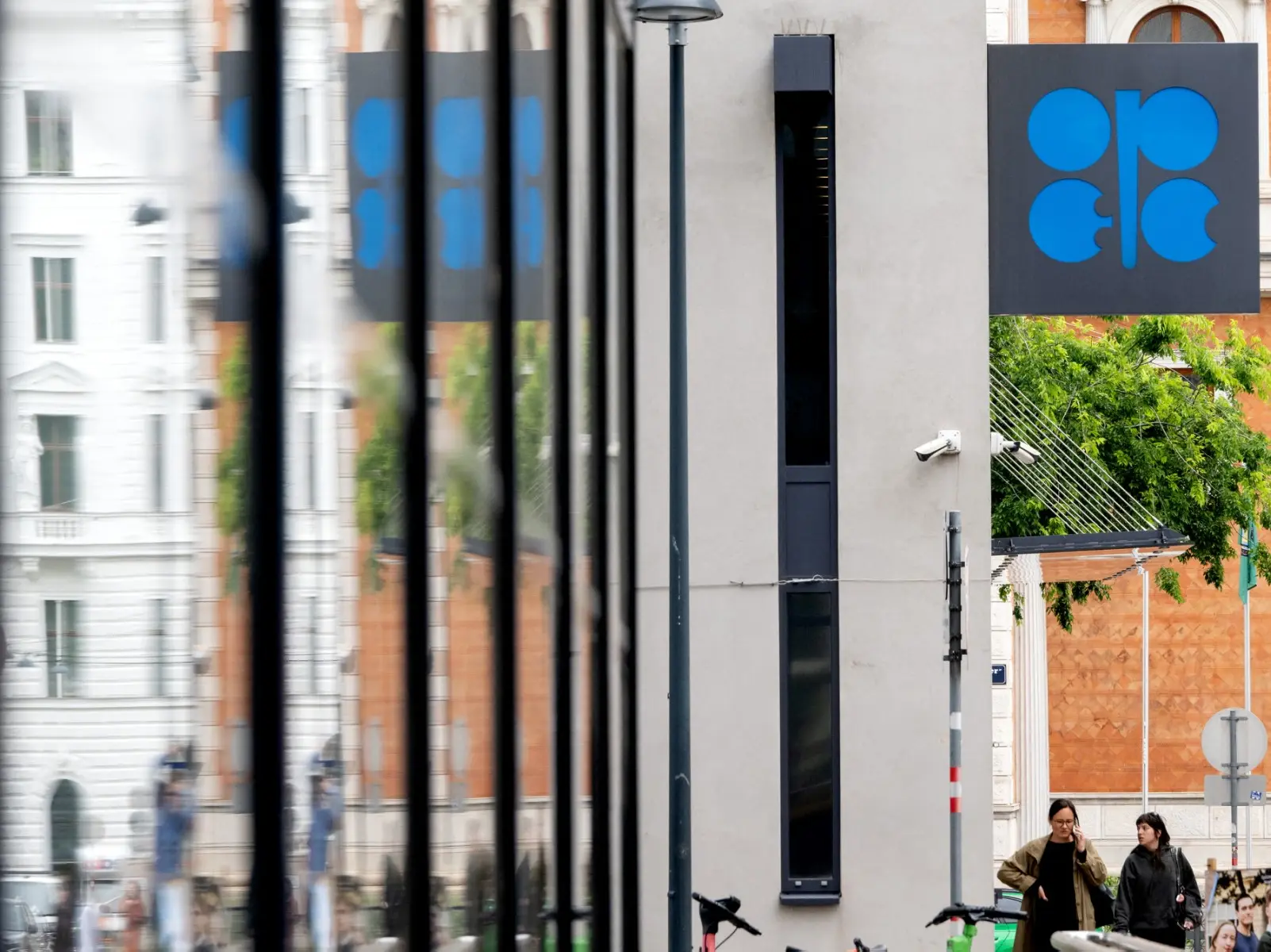
Russia, on Wednesday, April 29, reaffirmed its commitment to maintain its place in the OPEC+ following the major development involving the UAE leaving the group. The Kremlin also hoped that the exit of the UAE would not mark an end to the coalition, as many analysts suggest it will likely create a domino effect as one country after another exits the coalition to seek its own national interest. Russia stressed that the organisation remains vital in stabilising the demand and supply of oil in the global market. The UAE was the fourth largest producer in the OPEC+, while Russia is the second largest producer.
"This format helps to substantially, let's say, minimise fluctuations in energy markets and makes it possible to stabilise those markets," said Kremlin spokesperson Dmitry Peskov. He said that Russia respected its decision to leave the coalition; however wants to maintain energy dialogue with the Gulf nation. According to the International Energy Agency estimates, the coalition was responsible for the production of nearly half the world's oil and oil liquids last year.

The UAE did not mention the Gulf conflict in its public announcement. Its press release stated that the decision meant the UAE's long-term strategic and economic vision and evolving energy profile, including accelerated investment in domestic oil production.
"If OPEC countries conduct their policies in an uncoordinated manner (after the UAE's exit) and produce as much oil as their production capacities allow and as much as they want, prices will go down accordingly," said Russian Finance Minister Anton Siluanov. The decision could see the countries increase their production capacity drastically, and help lower the oil prices. However, it remains dependent on the opening of the Strait of Hormuz. Now the high oil prices are driven by the blockade of the Strait of Hormuz, and an oversupply could create a risk in the future.