Penpa Tsering says US support for Tibet remains strong despite Dalai Lama-Ladakh meeting not happening

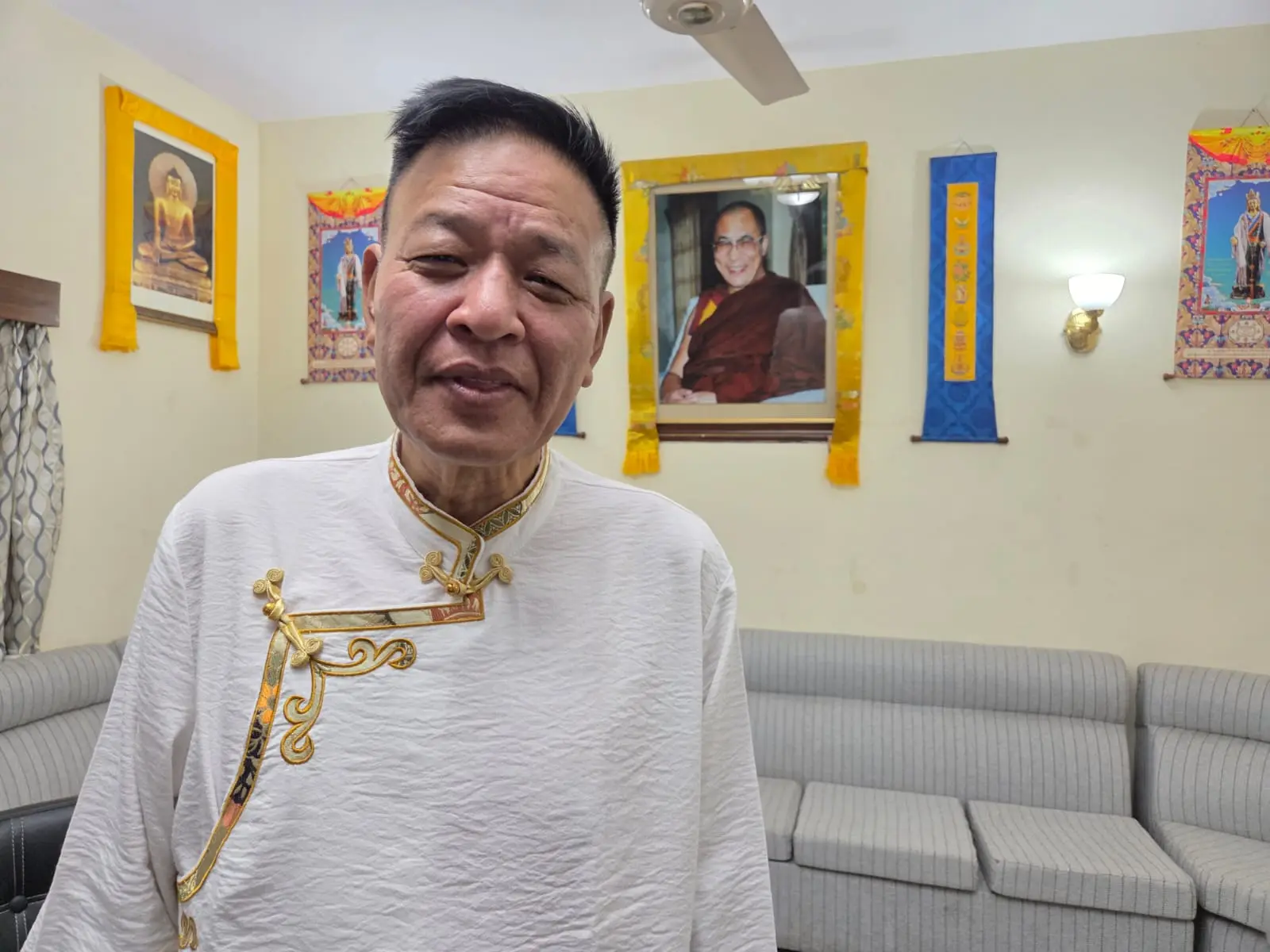&imwidth=600&imheight=450&format=webp&quality=medium "Penpa Tsering says US support for Tibet remains strong despite Dalai Lama-Ladakh meeting not happening")
Penpa Tsering Photograph: (WION)
Penpa Tsering says US support for Tibet remains strong, despite no Ladakh meeting between Ambassador Sergio Gor and the Dalai Lama
Penpa Tsering, the elected political leader of the Central Tibetan Administration, has said Washington’s support for Tibet remains intact, even as a speculated meeting between the US ambassador to India and the Dalai Lama in Ladakh did not take place. Speaking to WION's Sidhant Sibal in Delhi before travelling to Switzerland, the Czech Republic and Germany for the Forum 2000 conference, Tsering said Ambassador Sergio Gor had already met the Dalai Lama in the Indian capital in June. There had been talk of a further meeting while the 91-year-old spiritual leader was in Ladakh, he said, but it did not happen.
“It didn’t happen. There would be many reasons,” he said. “We don’t know the real reason...You know how diplomacy and politics work. We are also watching the situation but we do have very good support from the state department.” Secretary of State Marco Rubio, he said, had championed Tibetan issues as a senator and had issued supportive statements since taking office. Trump had also named a special coordinator for Tibetan issues at the start of the second year of his second term, earlier, he noted, than in the first term, when the appointment came in the fourth year.
Aid cuts had affected Tibetan programmes, he acknowledged, but we also managed to retrieve some of it back through congressional appropriations. A bipartisan House delegation led by Foreign Affairs Committee chairman Brian Mast met the Dalai Lama in Dharamsala on 29 and 30 September. “We keep engaging with each other,” Tsering said. At the recent summit between US President Trump and Chinese President Xi Jinping, he said analysts had watched the agenda closely, but the outcome was more optics than concrete results, apart from a temporary extension of a tariff truce. “We haven’t seen that much dramatic change on Tibet,” he said, though some decisions had been delayed. Tibet policy, he added, would have to be judged over a longer period.
US presidents have not met the Dalai Lama for years. Tsering said the Tibetan side does not request such meetings. “Everybody who wants to see His Holiness, they come to see him because of his age. He’s not able to travel as much as he used to.” On India, where the exile administration has been based since 1959, he was more emphatic. “We don’t have to shout out loud. As we exist here because of the government and the sympathy of the people of India, we won’t exist here,” he said. Tibetan script and Buddhist tradition, he argued, trace to India, and we always think that India will be on the right side of history.
On the Dalai Lama’s succession, Tsering said China had been preparing for more than 20 years, citing regulations adopted in 2007 that give the state a role in recognising reincarnate lamas. Beijing, he said, was less concerned with the present Dalai Lama than with controlling the next one.
