Panama Canal bids surge to $4mn as Hormuz crisis disrupts trade

&imwidth=600&imheight=450&format=webp&quality=medium "Panama Canal bids surge to $4mn as Hormuz crisis disrupts trade")
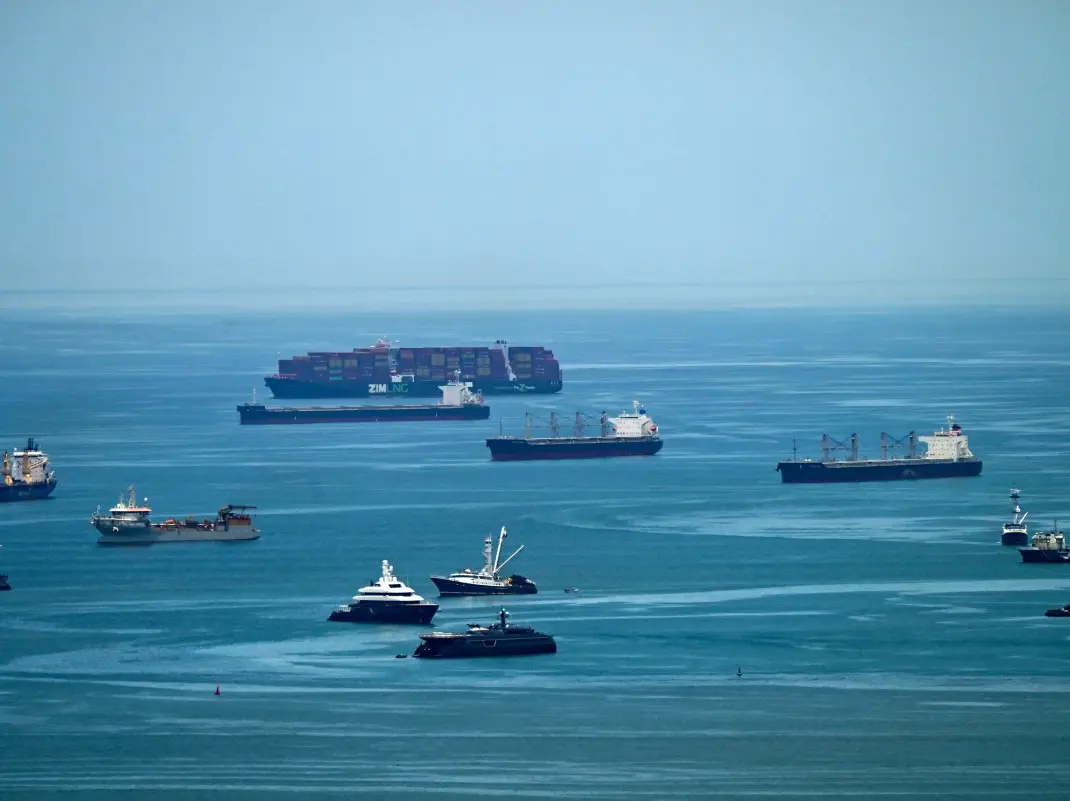
Cargo ships wait to go through the Panama Canal in Panama City on April 21, 2026. According to the Panama Canal Authority, transit through the canal has increased due to the war in the Middle East. Photograph: (AFP)
Shipping firms pay up to $4M to cross the Panama Canal as the Strait of Hormuz crisis forces global trade reroutes.
As the Strait of Hormuz crisis has mounted over the last 50 days, shipping companies have paid as much as $4 million in individual auctions to secure priority transit through the Panama Canal. The Panama Canal Authority highlight a massive shift in global trade routes as countries look to bypass the conflict zone in the West Asia.
The Panama Canal normally uses a flat-rate reservation system, ships without booking must enter a bidding system to avoid waiting for long. The auction prices jumped from $135,000, to $4 million for Neopanamax slots. The vessels that failed to secure a passage take the Cape of Good Hope route, which can add 20+ days to the voyage. Asian buyers have to increasingly source, crude US Gulf Coast via the Panama Canal, the daily passage of ships have increased from highest 34 of 2024 to 40 in Macrh-April 2026.
"With all the bombings, the missiles, the drones ... companies are saying it's safer and less expensive to cross through the Panama Canal," lawyer and analyst in Panama City. “All of this is affecting global supply chains.” Meanwhile, Panama's government is "maximizing what it can earn from the Panama Canal," Noriega said.
Normally approximately 6 per cent of the oil passes throgh Panama Canal and which connect the Atlantic and Pacific oceans in Central America. Most of the cargoes containv goods like car parts, grain and consumer electronics which are traded from China to Europe and US east coast and vice versa. “Crude cargoes do not typically flow from the Atlantic basin to Asia via the panamax locks. They do now,” read a report by Lloyd’s List Intelligence highlighting the dramatic reconfiguration of global energy logistics. The report also adds that these global maritime disruptions are causing roughly $14 billion in annual economic losses from rerouting and insurance spikes.