Opinion: Women and the wounds of war

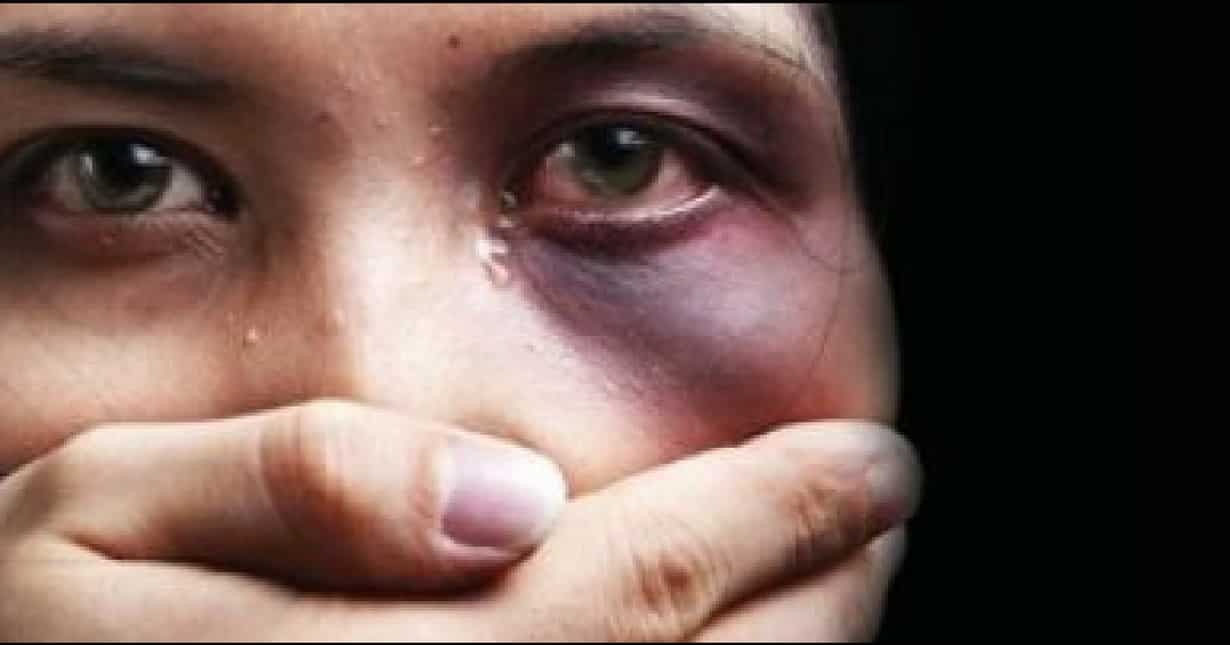
Violence against women
There is need to end violence against women in conflict zones because as members of rebel groups or victims of state-led violence, women in armed conflict are vulnerable and usually the victims
Perhaps no single demographic faces greater persecution than women living in conflict zones. Either as members of rebel groups or victims of state-led violence, women in armed conflict are vulnerable and usually always the victims.
This victimisation is part of an organised policy that weaponises their bodies and minds for dominance, power and control by men, in war. And it’s a method chosen by both state and non-state actors. Whether it be the enslavement of thousands of Yazidi women by ISIS, the abduction of women and girls by Boko Haram in Nigeria, or the mass-scale rapes of women by soldiers in Syria, conflict always reveals horrific levels of repression women across the world continue to face. India is no exception to the rule. Frequently prone to insurgencies and ethnic conflict, the stories of women in India’s conflict zones, whether it is Manipur, Chattisgarh, or Kashmir, bear the scars of brutality, sexual violence, and oppression.
One of the most important cases that catapulted the issue of brutality against women in war in India was the murder of a Manipuri girl, Thangjam Manorama by members of the 17 Assam Rifles. The Chairman of the Judicial Inquiry Commission tasked with the responsibility to investigate the murder called it one of the most shocking custodial killings.
In Kashmir, years of a brutal insurgency between the Indian state and militant groups inflicted its highest toll on women.
Thangjam had been sexually assaulted repeatedly and had eight bullets pumped into her. In Kashmir, years of a brutal insurgency between the Indian state and militant groups inflicted its highest toll on women. Rita Manchanda and Urvashi Bhutalia who have extensively worked on this issue show, in their body of work, that in Kashmir, women are either killed in crossfire, shot at in public demonstrations, blown up in grenade explosions across the Line of Control (LoC) or raped by militants.
Both security forces and militant groups use rape as an instrument of control, though, the objectives are markedly different. While militants use rape to humiliate and silence members of minority communities like the Kashmiri Pandits and Sikhs, Indian security forces have used rape to punish those suspected of links to militant groups.
A Human Rights Report published by the US State Department in 1999-2000 documents how paramilitary forces in Jammu and Kashmir and the police were culpable in a broader pattern of custodial abuse. The 1991 Kunan-Pushpora incident is still a dark episode in the history of Kashmir’s internal conflict when four soldiers belonging to the Rashtriya Rifles allegedly raped at least 23 women in Kashmir’s Kunan and Pushpora villages.
Twenty-six years later, six of the victims are deceased and justice remains elusive. In a separate case in 2009, 22-year-old Neelofer Jan and her 17-year-old sister-in-law Asiya Jan were allegedly raped and murdered by CRPF forces in Shopian, Kashmir. Despite setting up several inquiries to investigate the matter, the results were inconclusive and justice, again, a foregone conclusion.
There is another side to the story, though. A 2017 NPR report reveals how many Kashmiri women are actively aiding militants against the Indian state. Alternatively, Kashmiri Pandit women belonging to the Hindu community are killed in militant attacks, the 1998 Wandhama massacre being the case in point. These stories are telling in that not just majority Muslim women but Hindu women and those belonging to minority groups in Kashmir are caught in a relentless cycle of violence between state and militant groups.
The women are deeply indoctrinated into an ideology that views violence as a means of liberation and emancipation.
Women living in Maoist-held insurgent territory face a similar fate. In 2015, the National Human Rights Commission reported that at least 16 tribal women were allegedly raped and killed by police in Bastar. While many of these reports are evidence of the impunity state security forces and police exercise in conflict zones, one cannot entirely ignore the role of female Maoist cadres leading an orchestrated campaign of violence against the Indian state.
But their victimisation has a different source. These women are deeply indoctrinated into an ideology that views violence as a means of liberation and emancipation. Much of the result of such ideological violence is that the same women inevitably become victims of both state violence and extremist indoctrination, their bodies constant targets of physical and emotional abuse.
Where do we go from here? There are several ways to address the subjugation and brutalisation of women in India’s conflict zones. While these measures will not entirely eliminate the problem, they could alleviate the suffering of many women.
First, a speedy justice system that punishes the perpetrators quickly is essential. Much of the violence against women continues unabated when those perpetrating the abuse are convinced they can get away with it. For instance, problematic parts of laws like the Armed Forces Special Powers Act (AFSPA) need to be amended to place limits on military powers.
Second, police and military personnel must receive mandatory training and socialisation in how to approach women in conflict zones, carrying a penalty for misdemeanours.
Third, civil society must work with non-governmental organisations to spread greater awareness about the experiences of women in violence-afflicted zones and offer assistance in any way possible. Journalists, too, must continue to educate and confront the problem. Finally, cultural norms that sustain a deeply patriarchal society must be challenged and broken. The onus is on us, both men and women, to do it.
(Disclaimer: The author writes here in a personal capacity).