More than two million in England may have suffered from Long Covid, says study

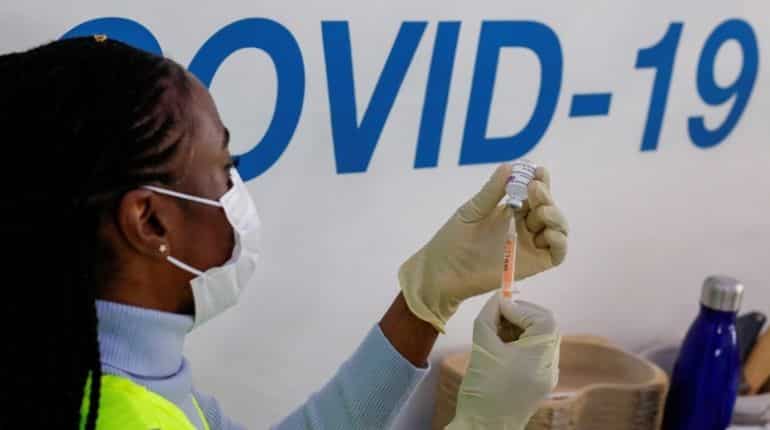
A dose of AstraZeneca vaccine is prepared at COVID-19 vaccination centre in the Odeon Luxe Cinema in Maidstone, Britain February 10, 2021
A new survey of half a million adults in the United Kingdom has revealed thataround two million people may have had some long-lasting symptoms after having coronavirus. This is known as long Covid.
As per researchers, managing the long-term consequences are a "major challenge". Long Covid is not yet fully understood. Also, there is no universally agreed definition. It includes a wide variety of symptoms after a Covid infection, including fatigue, coughs, chest pain, headaches and muscle pain.
As a part of the study, random samples of people were asked whether they had had Covid-19, and about the presence and duration of 29 different symptoms. It was concluded that around 37 per cent of people who had Covid experienced at least one symptom lasting 12 weeks or more. Nearly 15 per cent had three or more symptoms for at least 12 weeks.
Also, long term issues were more common in women, and with increasing age. Factors like increased body weight, smoking, lower incomes, chronic illness and being hospitalised with Covid contributed to a higher chance of experiencing long-lasting symptoms.
Tiredness and shortness of breath were deemed as dominant long-lasting symptom.
Prof Paul Elliott, director of the React programme at Imperial College London said that the findings highlighted a 'concerning' picture of the longer-term health consequences of Covid. He was quoted by BBC saying, "Long Covid is still poorly understood but we hope through our research that we can contribute to better identification and management of this condition, which our data and others' suggest may ultimately affect millions of people in the UK alone".
Another UK study highlighted that there is a 'substantial loss of grey matter in those who recovered from Covid-19.
The loss of grey matter hint towards damage to certain areas of the brain. As per experts, it suggests damage to areas of the brain.
As a part of the study, the UK Biobank (UKB) performed brain image tests on over 40,000 participants before the start of the Covid-19 pandemic. The scientists used structural and functional brain scans from before and after the Covid-19 infection. This helped them to compare changes in the brain between these 394 Covid patients and 388 controls (those who tested negative) who were matched for age, sex, ethnicity and interval between scans.
Most of the Covid patients who were examined had mild to moderate disease in the past.