Journalist Bernard Shaw, who covered first Gulf war live from Baghdad, dies at 82

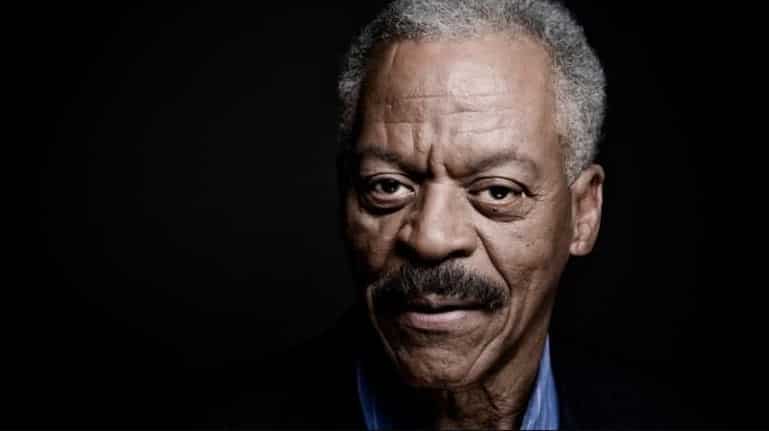
Bernard Shaw, a former CNN anchor
Bernard Shaw, a former CNN anchor, passed away on Wednesday from pneumonia unrelated to Covid-19 at a hospital in Washington, DC, his family reported on Thursday. Shaw, then 82,
Shaw served as CNN's initial chief anchor and was a part of the network on June 1, 1980, when it debuted. On February 28, 2001, he left CNN after working there for more than 20 years.
Shaw covered some of the most important news of the day during his illustrious career, such as the student uprising in Tiananmen Square in May 1989, the First Gulf War live from Baghdad in 1991, and the 2000 presidential election.
"CNN's beloved anchor and colleague, Bernard Shaw, passed away yesterday at the age of 82. Bernie was a CNN original and was our Washington Anchor when we launched on June 1st, 1980," Chris Licht, CNN Chairman and CEO, said in a statement Thursday.
"He was our lead anchor for the next twenty years from anchoring coverage of presidential elections to his iconic coverage of the First Gulf War live from Baghdad in 1991. Even after he left CNN, Bernie remained a close member of our CNN family providing our viewers with context about historic events as recently as last year. The condolences of all of us at CNN go out to his wife Linda and his children."
According to his family, Shaw's funeral services will be private for family and invited visitors only, with a public memorial ceremony scheduled for a later date.
Shaw was the son of Edgar and Camilla Shaw and was born in Chicago on May 22, 1940.
He served in the Marine Corps for four years, and while there, he asked TV news great Walter Cronkite for advice on how to become a journalist while he was stationed in Hawaii.
Dr Martin Luther King Jr. told Shaw during an interview that he had with him as a radio reporter in Chicago that "One day you'll make it, just do some good," Shaw remembered.
He covered the Watergate scandal for CBS as a political reporter in his first TV position. Later, he rose to the position of bureau chief and correspondent for ABC's Latin America division, when he and his staff managed to get the sole aerial shot of the Jonestown massacre in Guyana.
(with inputs from agencies)