Israel attacked two major Iranian pipelines, disrupted supply: Report

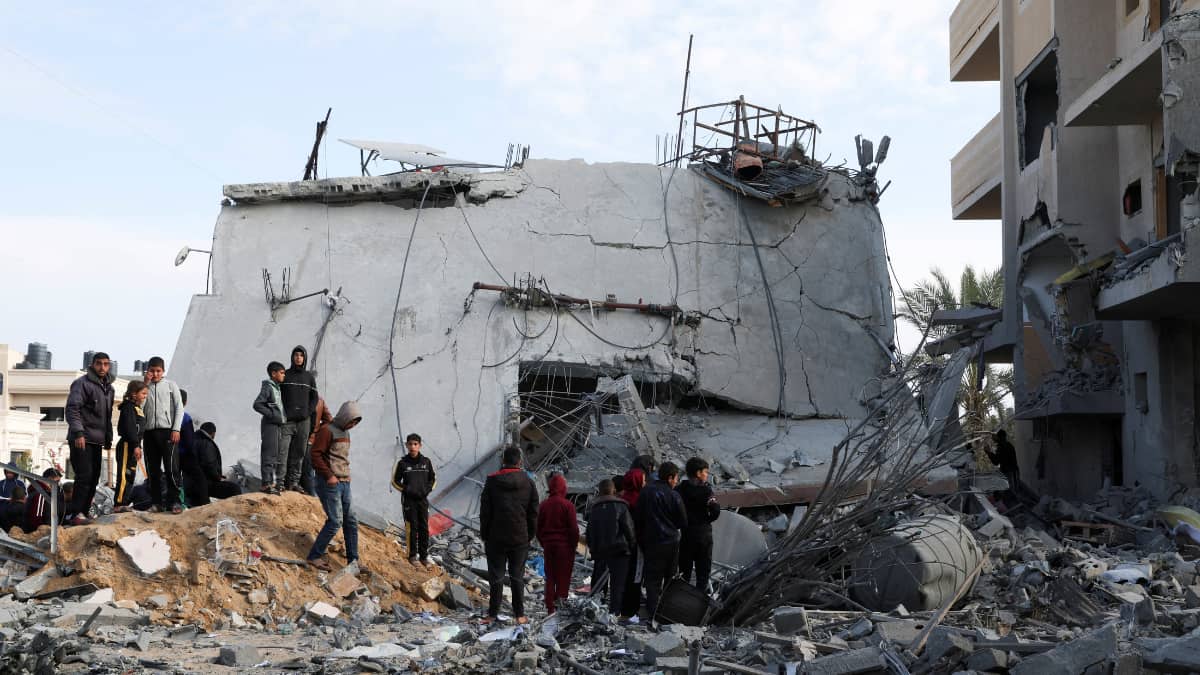
The debris after gas pipelines blast in Iran.
Israel carried outattacks on two major gas pipelines in Iran on February 14, whichled to disruption ofsupplies, reported The New York Times.
The report, which cited Western officials as well as military strategists who are affiliated with Iran’s Revolutionary Guards Corps, claimed that the attacks caused disruption in the flow of cooking gas and heat to provinces where millions of people lived.
Speaking to the Iranian media regarding the attack, the country's Oil Minister Javad Owji said, "The enemy’s plan was to completely disrupt the flow of gas in winter to several main cities and provinces in our country."
However, the minister did not blame Israel publicly, even though he has called such incidents"sabotage and terrorist attacks" on earlier occasions.
Iran vsIsrael
Even though such attacks rarely happen in Iran,terrorists in the country had claimed in 2017 that two pipelines were blown by them in co-ordinated attacks which were carried out in western Khuzestan province of Iran.
Five people, who were accused of having links with Israel's Mossad intelligence service, were executed by Iran in December as part of a decades-long shadow war in which Tehran has accused Israel of carrying out attacks on its nuclear and missile efforts.
As per reports, Israel has been targeting Iran's military and nuclear sites for a long time and has also carried out the assassination of Iranian nuclear scientists and commanders.
Cyberattacks have also been waged by Israel to disable servers which belong to the oil ministry and create chaos at gas stations nationwide.
Watch:Tehran: Gas pipeline exploded in an 'act of sabotage'
Iran has stated that it does not wish to indulge in a direct war with the United States and has also denied its direct involvement in either the October 7 terrorist attacks against Israel or the attacks carried out on American and Israeli targets since the war started.
However, Iran faces the accusation of supporting a network of proxy militias which have been fighting actively against Israel and the United States, including Hezbollah in Lebanon, Houthis in Yemen, and terrorists in Iraq and Syria.
Iran also faces the accusation of providing arms and training to Hamas and other Palestinian fighters.
(With inputs from agencies)