
&imwidth=800&imheight=600&format=webp&quality=medium "Iran’s 11-ton enriched uranium mystery deepens post US strikes. Where is it now?")
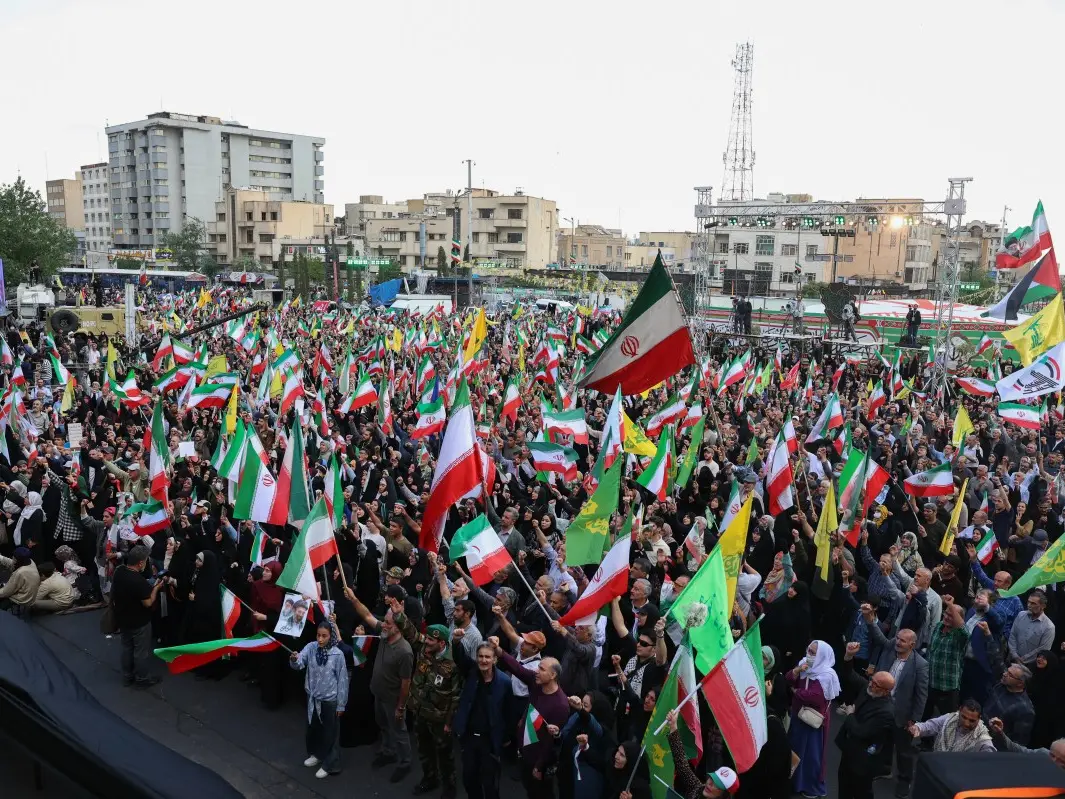
Since eight years ago, when Donald Trump withdrew from a landmark nuclear agreement with Tehran, Iran has built up a stockpile of 22,000 pounds, roughly 11 tons of enriched uranium. Today, however, the whereabouts of that stockpile remain uncertain, even two months after the United States launched military strikes aimed at preventing Iran from developing a nuclear weapon. Uranium is a dual-use material. At low enrichment levels, it fuels nuclear reactors and powers cities. At higher concentrations, achieved through a process known as enrichment, it becomes suitable for nuclear weapons. What makes enrichment particularly concerning is how the process accelerates. Moving from natural uranium to 20 per cent enrichment is far more difficult than progressing from 20 per cent to 60 per cent, or even to 90 percent, the level typically used in nuclear weapons.
Iran started enriching uranium on an industrial scale in 2006, maintaining that its program was peaceful. Over time, reports from the International Atomic Energy Agency documented a steadily growing stockpile. In 2010, Tehran announced it would enrich uranium to 20 per cent, officially to fuel a research reactor. This level marked a critical threshold, the official dividing line between civilian and military uses. The concern stemmed from the fact that 20 per cent enrichment represents about 80 per cent of the way to bomb-grade fuel.
As the stockpile expanded, the administration of Barack Obama entered negotiations to curb Iran’s program. Those talks culminated in the 2015 nuclear deal, which capped uranium enrichment at 3.67 per cent and strictly limited stockpile size for 15 years. Under the agreement, Iran shipped out 25,000 pounds, about 12.5 tons, of enriched uranium and reduced its holdings to under 660 pounds. By 2018, Iran did not possess enough material for even a single nuclear bomb when Trump exited the agreement and reinstated sweeping economic sanctions. In response, Iran gradually escalated its enrichment activities. Initially, it exceeded limits slightly to pressure Western powers. By early 2021, just before Trump left office, enrichment reached 20 per cent again.

Efforts by the administration of Joe Biden to revive the deal ultimately failed. During this period, Iran pushed enrichment to unprecedented levels of up to 60 per cent, dangerously close to weapons-grade. With Trump returning to office in 2025, Iran’s uranium stockpile grew at its fastest pace since monitoring started. That same year, during a 12-day conflict, US forces struck key Iranian nuclear facilities, including enrichment sites at Natanz and Fordow, as well as uranium storage tunnels near Isfahan. One month later, Iran halted cooperation with the IAEA., effectively ending international oversight of its nuclear program.
Without on-site inspections and despite continued satellite surveillance, the location of Iran’s 11-ton uranium stockpile remains unknown. The material itself presents a challenge. Radioactive and chemically hazardous, parts of it may now be hidden or buried beneath rubble from the strikes, making access and verification extremely difficult. Even if Iran were to recover the uranium, experts caution that converting it into a functional nuclear warhead would take months, if not over a year. They also stress that Iran did not pose an immediate nuclear threat at the time the war started.
Trending Stories
)
Trump-Xi Summit: Trade, Taiwan and the red lines shaping US-China talks | Race To Power
)
US citizen injured in Illinois after ICE agents mistook him for fugitive, hospitalised
)
US judge questions Trump’s decision to ban CNN, MS NOW and Politico from White House
)
Afghan woman cyclist who disguised herself as a boy to escape Taliban, wins Asian Games medal
)
Italy hit by floods in the north, drought in the south
)
'There will be elections': Venezuela's interim leader Delcy Rodriguez makes big announcement at UN
)
Would you date an AI? South Korea’s My AI Partner: Strange Love sparks buzz on relationship and intimacy
)
'Arrogant parasites': Milei blasts UN over Falklands dispute, warns Argentina will ‘take matters into our own hands’
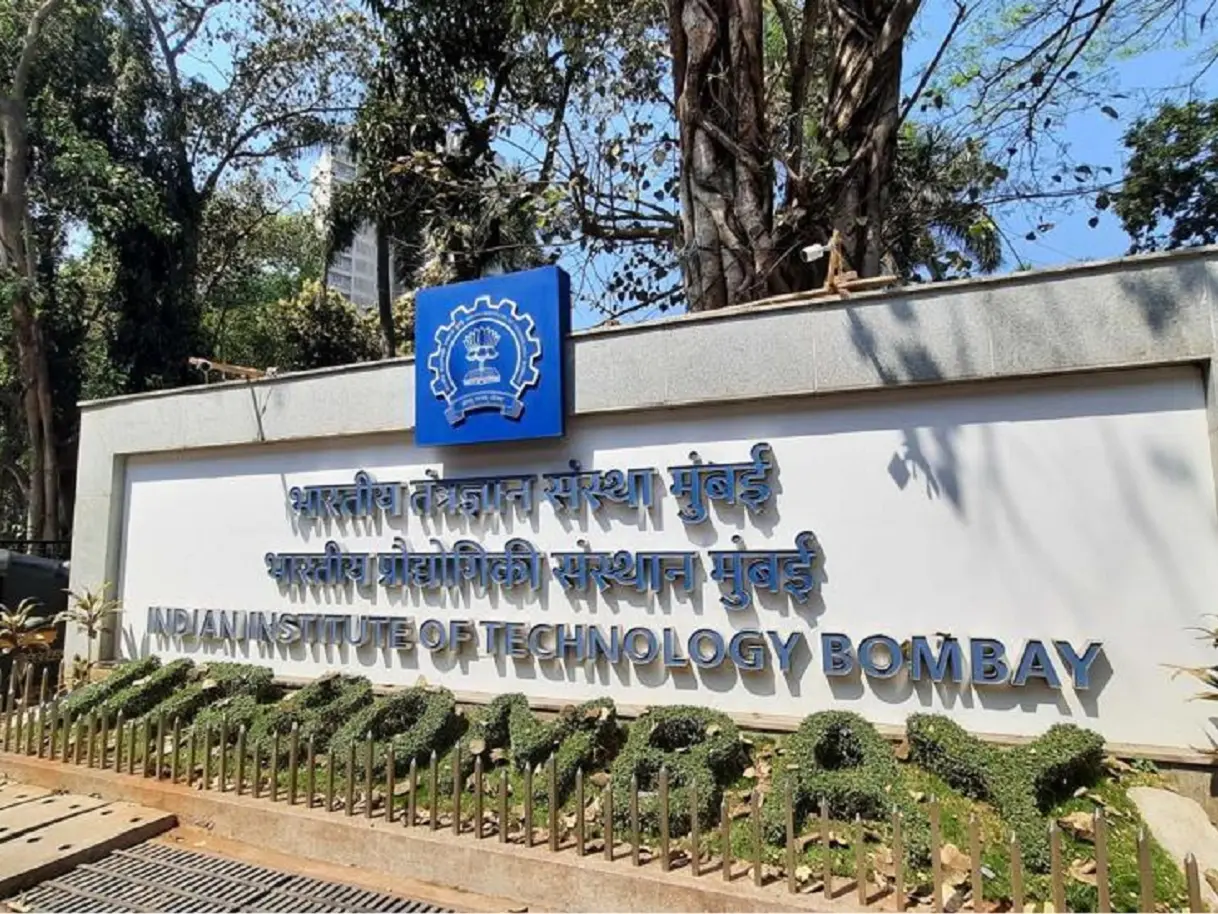)
IIT Bombay CCTV footage emerges: Sahil Wakode seen looking at phone in examination hall
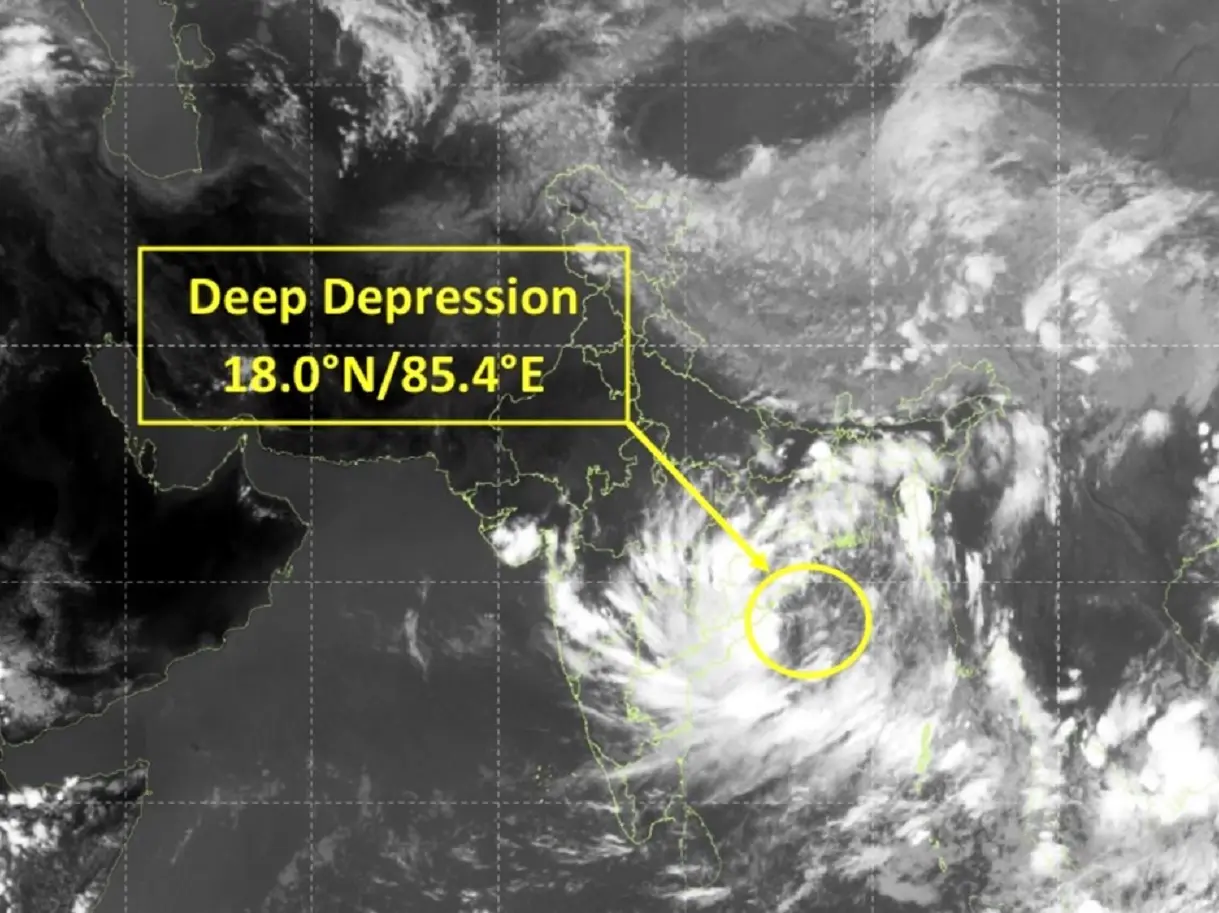)
Cyclone Arnab: Landfall expected before midnight tomorrow as IMD issues orange alerts across six states
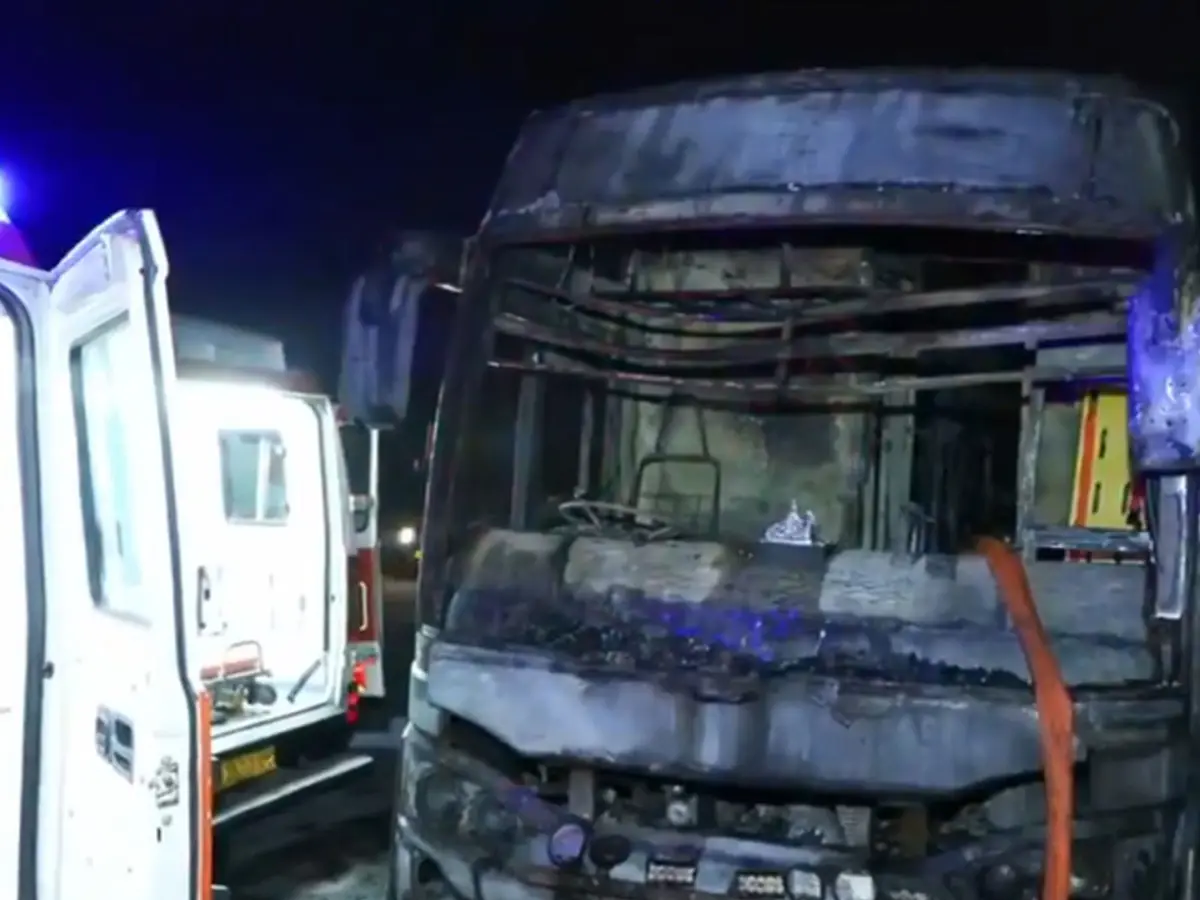)
9 killed, several injured as tourist bus catches fire on Yamuna Expressway
)
NBA player Steven Adams shares hilarious GTA VI theory
)
WION Iconic Tourism Summit 2026: Union Minister Shekhawat on 'experiential travel', peace diplomacy
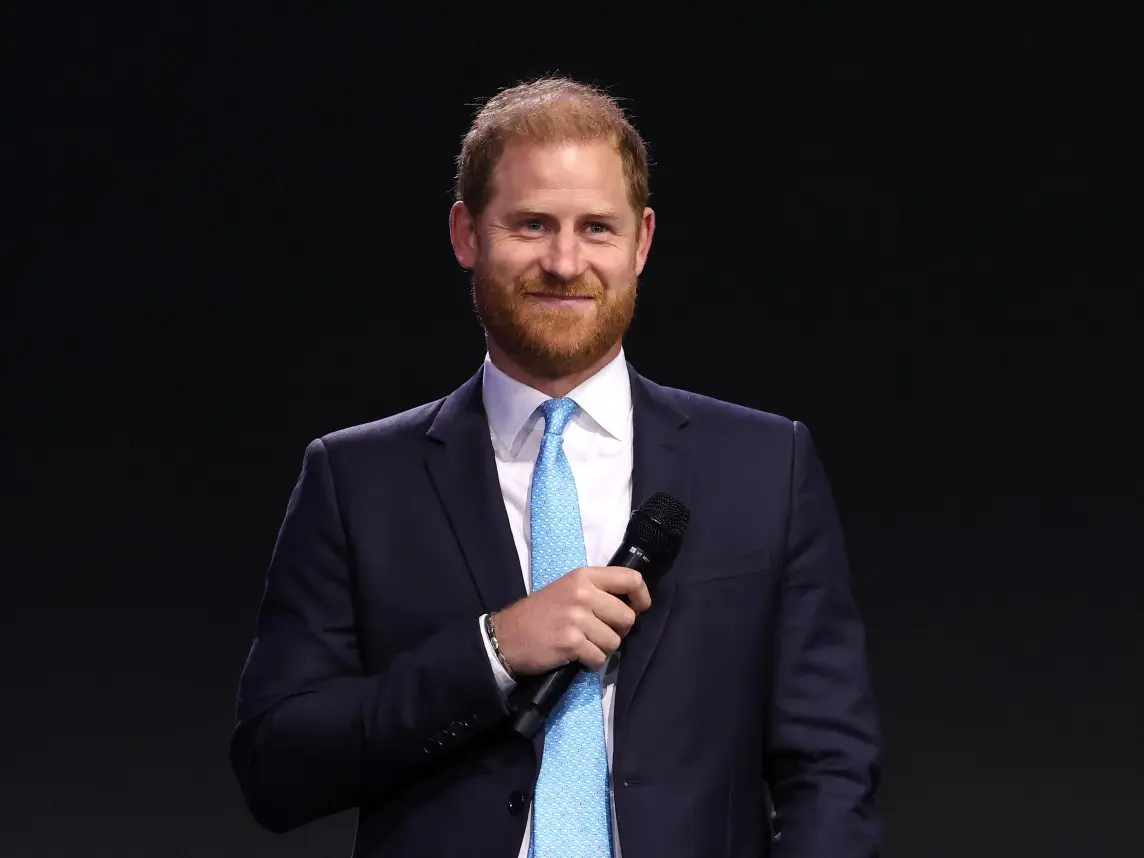)
'AI got into my speech': Prince Harry jokes after teleprompter failure at event in New York
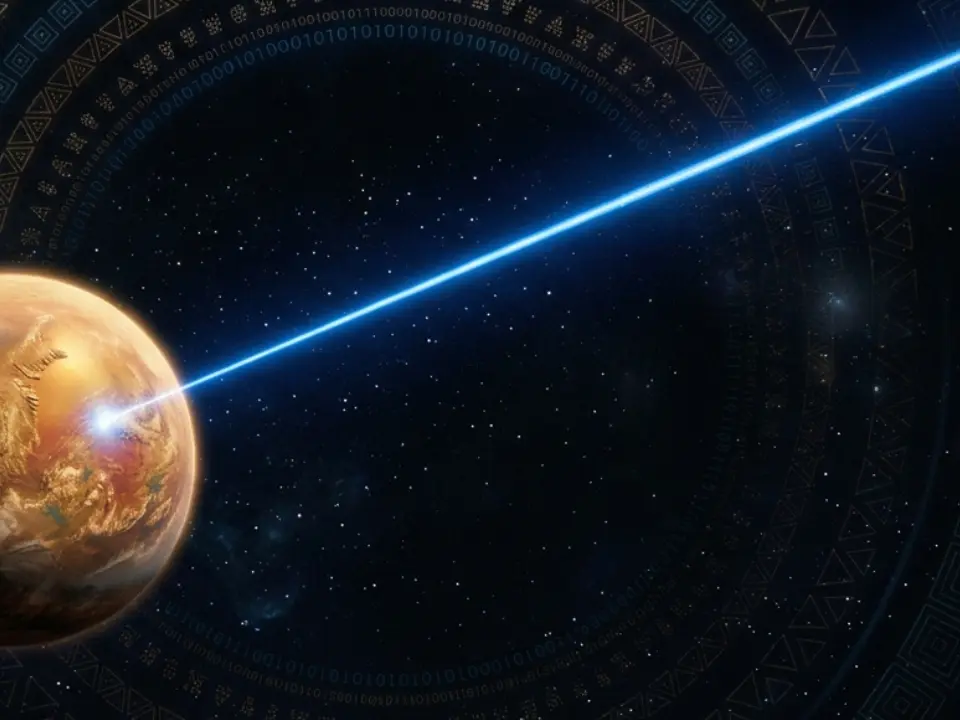)
Scientists detect first radio signals directly from faraway planet
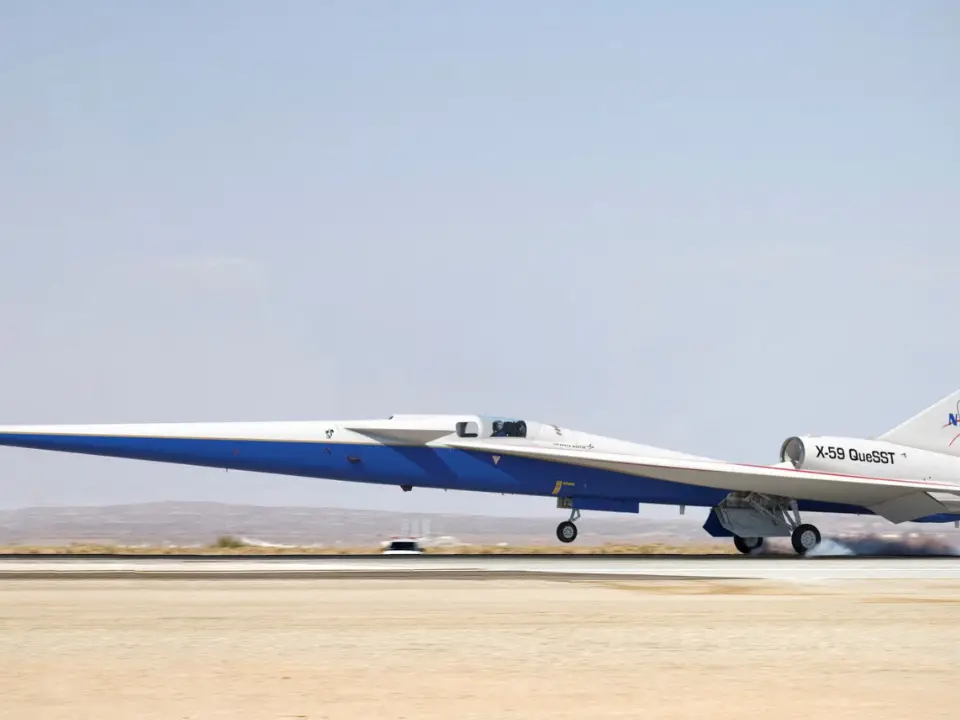)
China to test supersonic jet that moves at Mach 2, double the speed of sound
)
WION Iconic Tourism Summit: 'Hanuman Ansh' Director on blockbuster success
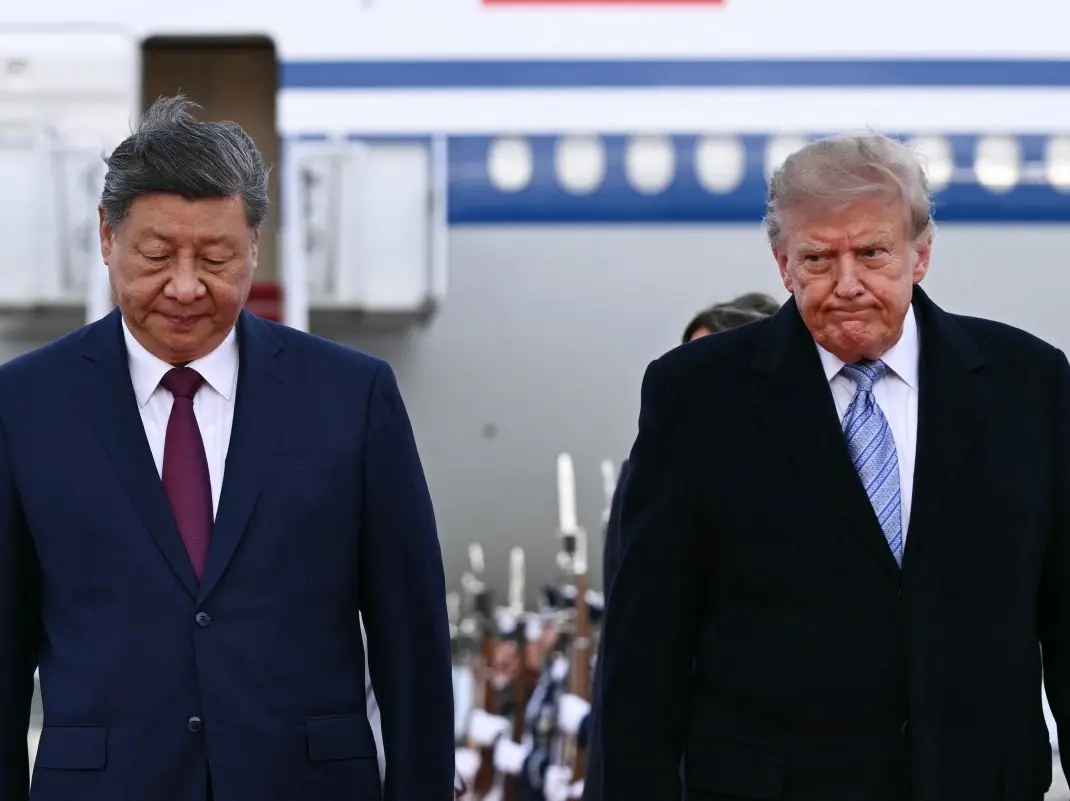)
'Partners rather than rivals': Xi Jinping's first message after landing in US for Trump summit
)
WION Iconic Tourism Summit: Is India's travel boom outrunning its airports, airlines and hotels?
)
IIT Bombay student suicide case: CCTV from the exam hall hours before suicide
)
2,000-foot tube, laser tests and more: China builds towns to expand nuclear arsenal, satellite images show
)
French court upholds decision to send PSG and Morocco footballer Hakimi to rape trial
)
WION Iconic Tourism Summit and Awards 2026: Key voices to discuss India’s tourism future
&im=FitAndFill=(700,400))
New OTT releases this week (September 21-27, 2026): Shaque: Trust No One, Hunkkaar, Don’t Be Shy- 5 new titles coming to Netflix, Prime Video and more
)
WATCH | China President Xi Jinping lands in US as Trump greets him ahead of high-stakes summit
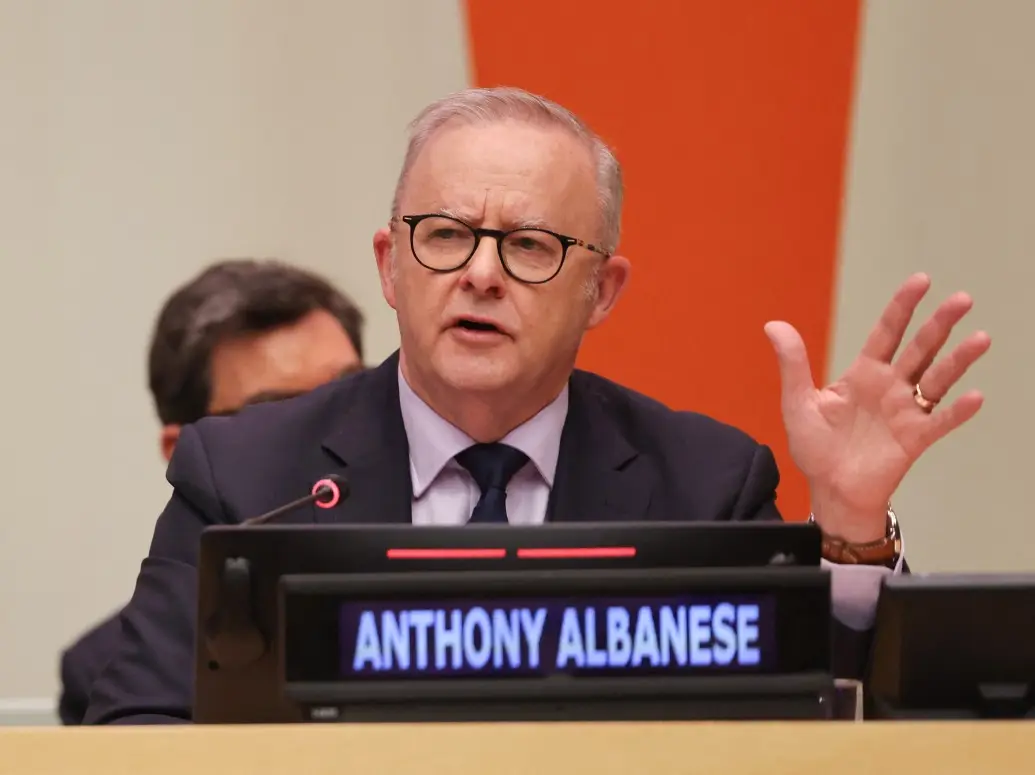)
Australian PM Anthony Albanese calls OpenAI AI incident 'unacceptable' after restricted data access
)
Claude Opus 5.5 is here: Anthropic claims it can finish a 680,000-line code migration in less than a day
)
'What kind of confession is this?': Pakistan PM Shehbaz Sharif’s 'terrorists would be roaming New York' remark goes viral, raises alarm online. Watch
)
WION Iconic Tourism Summit: How local tourism MSMEs must upskill for AI integration
)
Eight USS Abraham Lincoln sailors attempted suicide, Acting Navy Secretary says
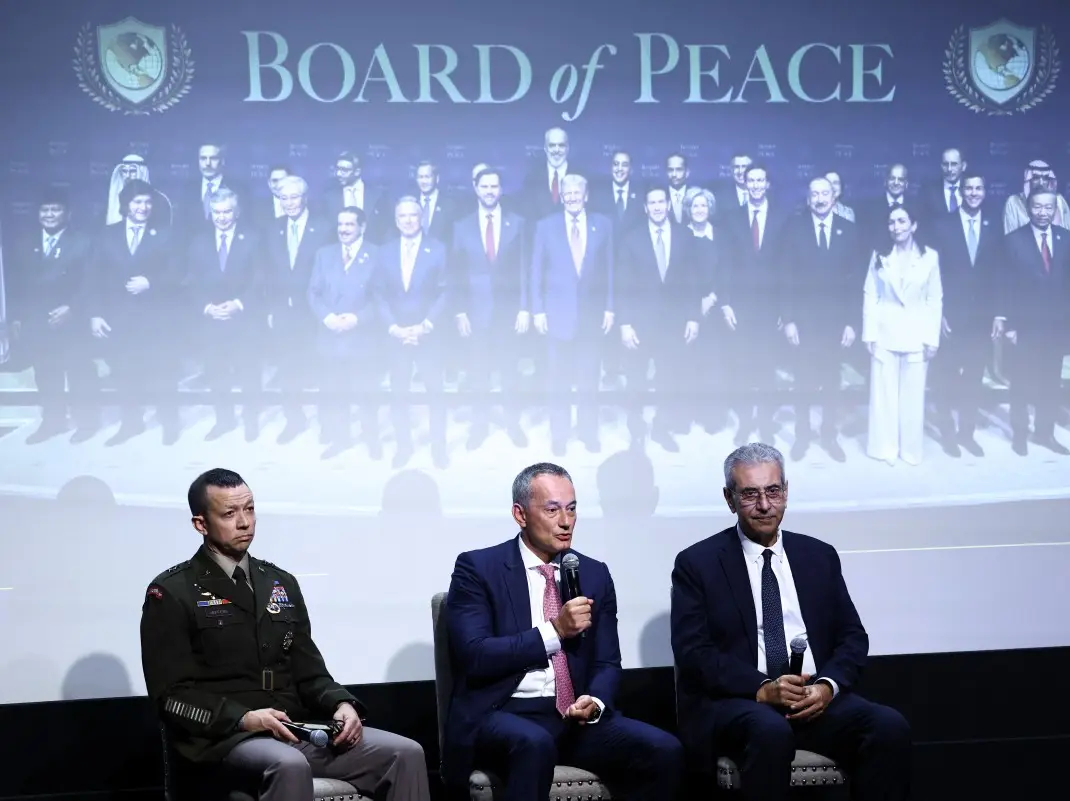)
Trump’s Board of Peace unveils $2.45bn Gaza plan,66 projects: But where’s the money?
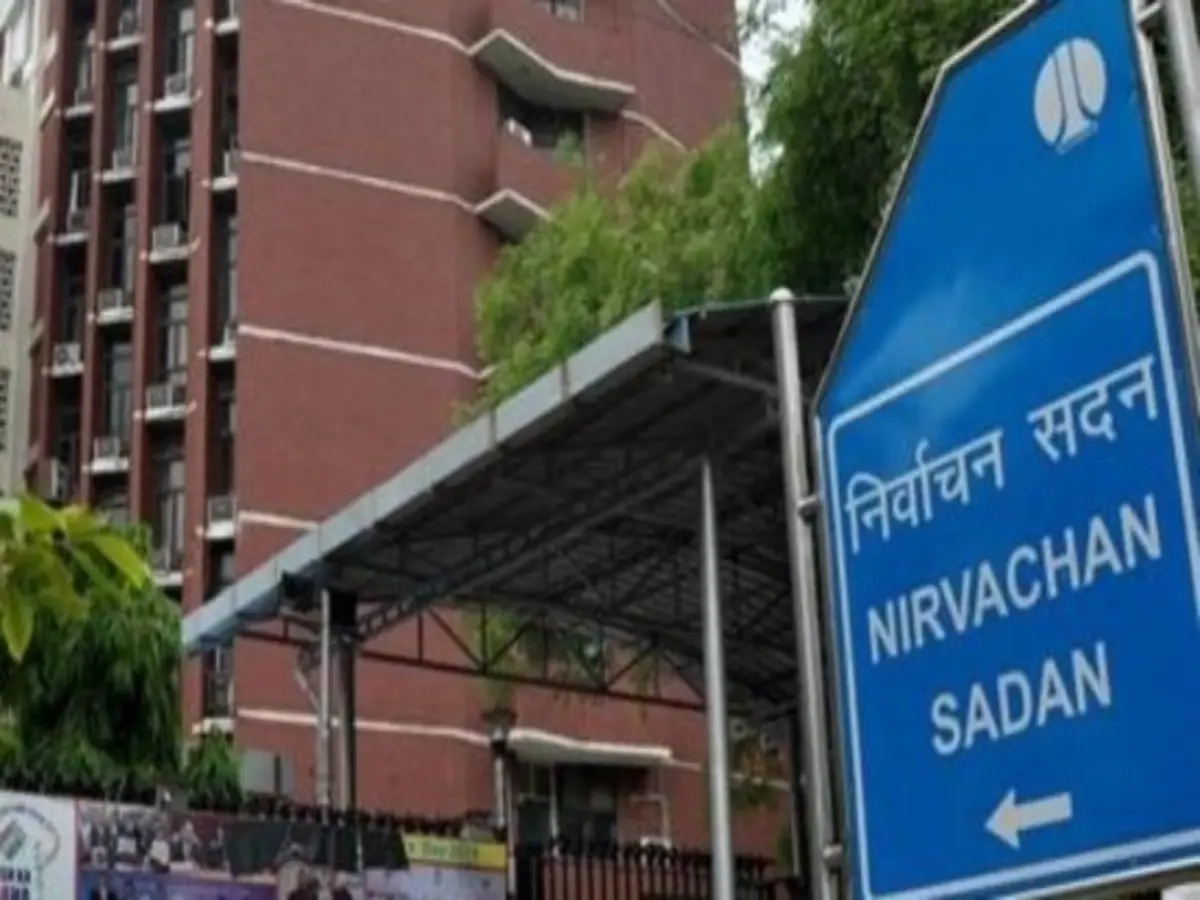)
EC appointment law: Why is the 2023 act controversial, and what happens next? WION explains
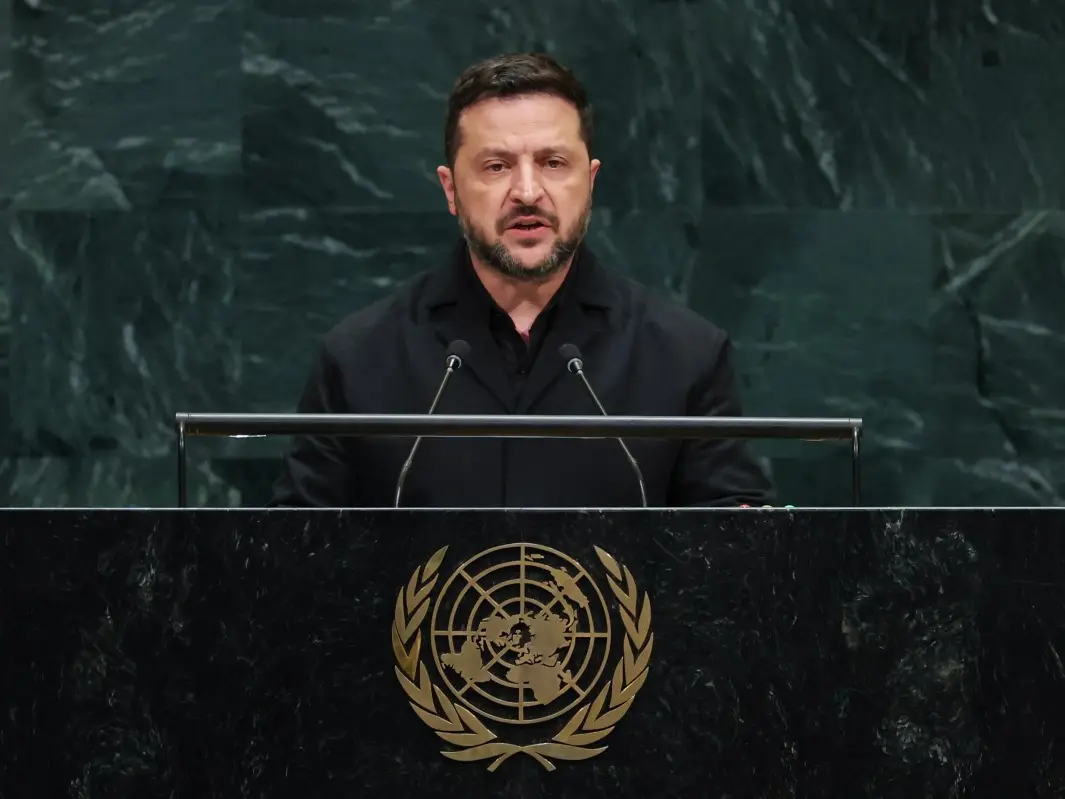)
'Putin is patient zero': Zelensky slams Russian president at UNGA, accuses him of using fighters from 47 countries
&im=FitAndFill=(700,400))
National Film Awards 2026: Kartik Aaryan, Mammootty, Yami Gautam, Randeep Hooda and other key winners
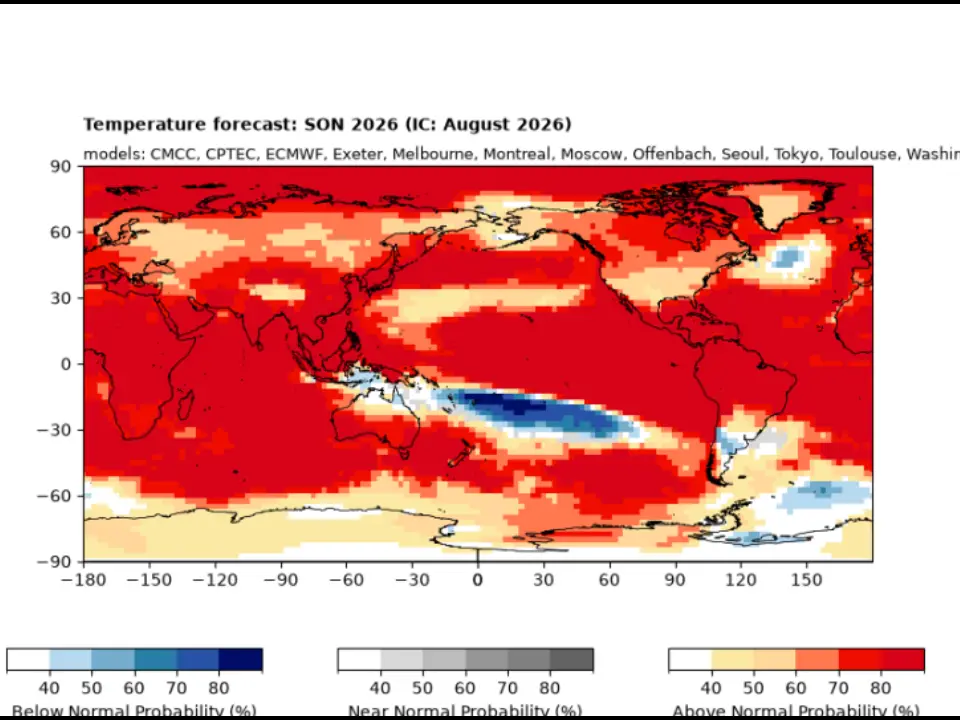)
El Niño 2026 heats up to become strongest in 1,000 years
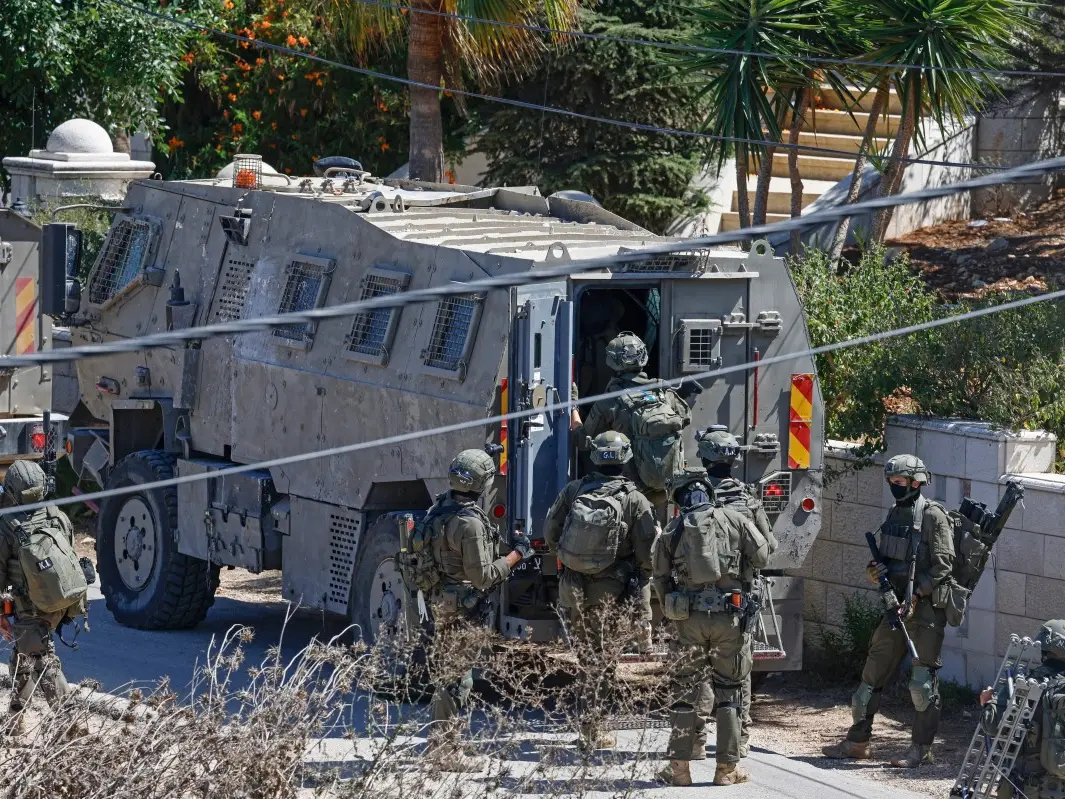)
Israeli envoy to US Yechiel Leiter’s son critically injured in West Bank ramming attack
&im=FitAndFill=(700,400))
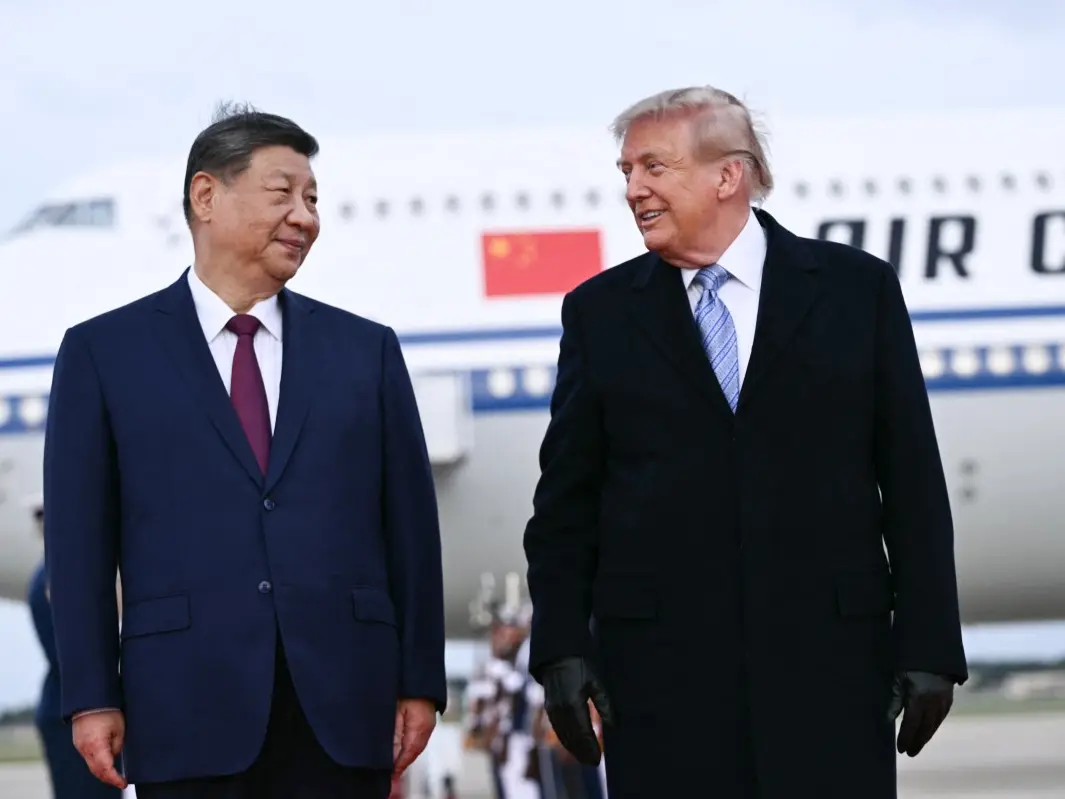
Trump welcomes Xi Jinping in rare airport gesture: Photos from Chinese President's arrival in US
)
Xi-Trump meeting: China’s human rights red line and past protests explained
The Trump administration maintains that US satellites are tracking the buried stockpile and argues that the material is of limited use due to damage inflicted on Iran’s nuclear infrastructure and expertise. However, analysts dispute this assessment. Some believe Iran may have established a covert enrichment facility within mountain tunnels near Isfahan, an area also believed to house much of the uranium. If true, this raises the possibility that Iran retains the capability to resume enrichment operations secretly, potentially advancing toward weapons-grade material beyond international scrutiny.
Disclaimer: WION takes utmost care to accurately and responsibly report ongoing conflicts in West Asia involving Israel, Iran, the US, Gulf nations, and non-state actors like Hezbollah, Hamas, Houthis, Islamic State, and others. Claims and counterclaims, disinformation and misinformation are being made online and offline. Given this context, WION cannot independently verify the authenticity of all statements, social media posts, photos, and videos.

