Health, emergency, financial services hit in Australia as telecom giant Optus suffers outage, now restored

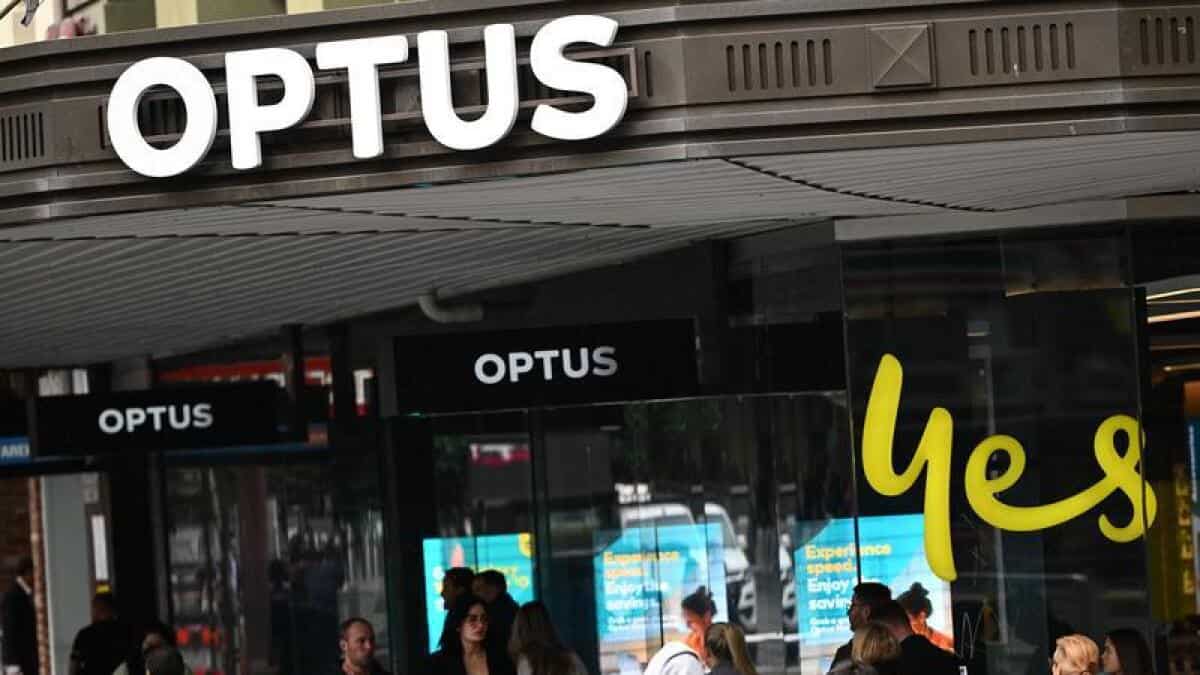
Australian telecom giant Optus suffered major outage on Wednesday
Life turned upside-down for millions of Australians on Wednesday (Nov 8) as the country’s second-biggest telecom network Optus suffered a major outage.’
The disruption in Optus networks impacted as many as 10 million people in the country, with health, financial and transportation sectors also getting severely impacted.
Around 40 per cent of Australia’s population couldn’t use emergency services via helpline numbers. Local media reported that train services derailed in Victoria state, with some hospitals also losing access to internal communication.
The disruption also impacted other internet providers backed by Optus, like Amaysim, Aussie Broadband and Moose Mobile.
Services restored now
The outage was reported first at 4:05 am local time and initially attributed to a “deep fault” within the Optus network by Australia’s federal communications minister Michelle Rowland.
Watch:From floods to fires: Australia's growing climate crisis
The company at 5:30 in the evening said the services had been restored.
It must be noted that the outage comes just months after Optus suffered a major data breach, that saw details of its 9.8 million customers go online, including passport, driver’s license and national health care identification numbers in a hack that was discovered in late September.
Cyber attack ruled out
Optus chief executive Kelly Bayer Rosmarin ruled out a cyberattack and clarified outage was not because of problems with Optus software.
“It is highly unlikely [that the problem started within the software in Optus networks], our systems are actually very stable... This is a very, very rare occurrence,” she said in an interview with ABC Radio.
“We are working really hard to get it up and running as soon as we possibly can,” she said, six hours after the outage.
Debate about telecom security
The outage sparked a debate around the security of Australia’s telecommunications network, a territory considered highly sensitive worldwide.
Optus is owned by Singapore Telecommunications or Singtel, a major telecom provider in Singapore.
“Maybe this incident will cause us to have a closer look at how we want to run this critical national infrastructure across multiple private companies,” Bill Corcoran, an Australian Research Council Future Fellow at Monash University told Reuters.
(With inputs from agencies)