Explainer: How political crisis and Al-Sadr's resignation led to clashes in Iraq

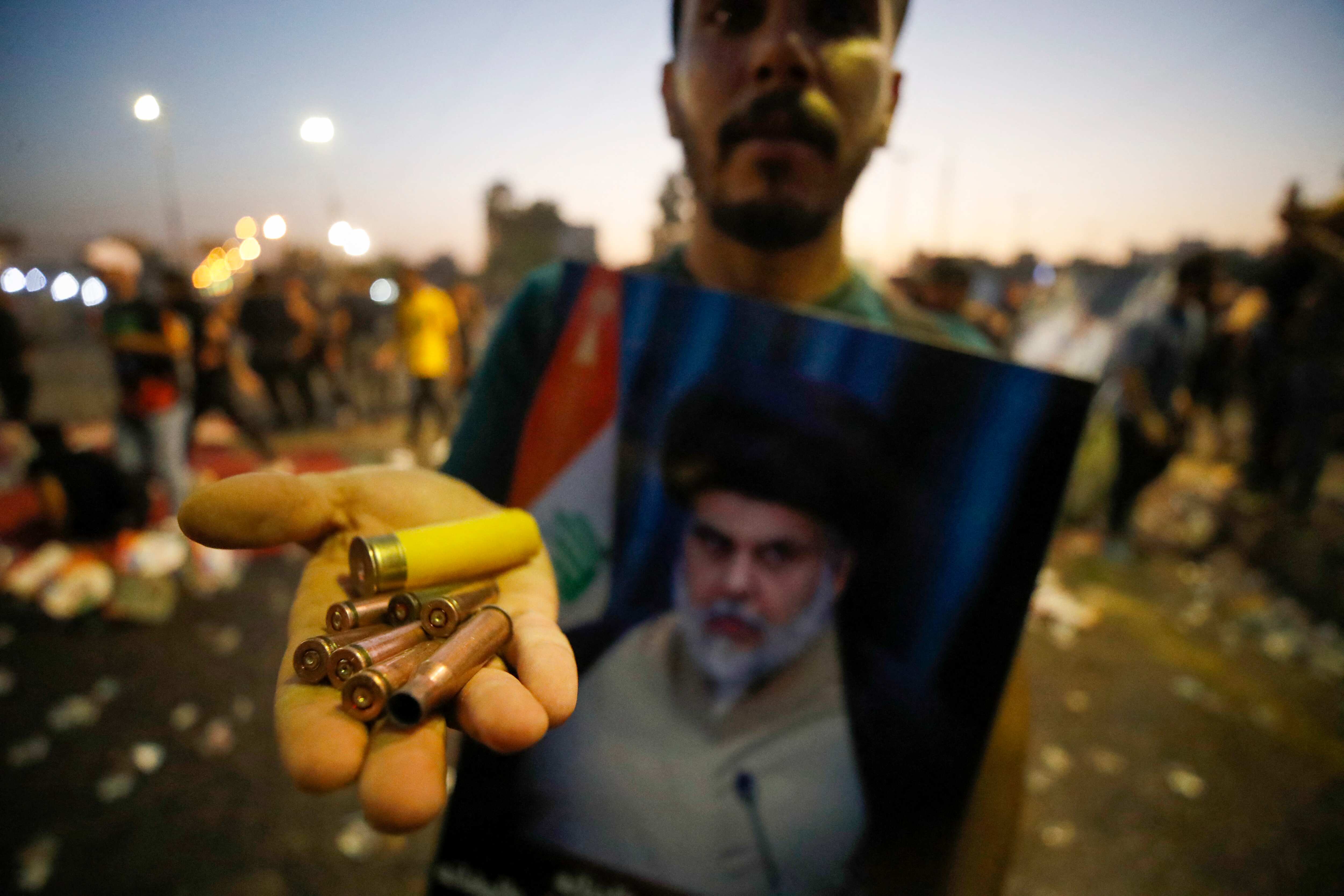
Clashes in Iraq
The situation in Iraq took a turn for the worse on Monday as at least 15 people were killed and hundreds were injured in clashes between the followers of Shia cleric Moqtada al-Sadr and the military in Baghdad’s Green Zone.
The protestors were staging sit-ins at the parliament complex when the clashes broke out following al-Sadr's announcement to retire from politics. The protestors breached the entrance of the Presidential palace and they were met with tear gas and stun grenades.
The authorities have declared a nationwide curfew and all official meetings were also suspended.
Political crisis
The conflict is a new chapter in the uncertainty surrounding Iraq’s political scene as the country has been without a stable government for more than 10 months – the longest since the United States attacked the country in 2003.
The parties were unable to find a solution after Al-Sadr’s bloc became the biggest faction in parliament but fell short of securing a majority in last year’s elections.
It seemed like the stalemate was about to end asthe pro-Iran Coordination Framework pickedMohammed Shia al-Sudani as the Prime Minister.
However, the protestors were not happy with the pick and they responded by storming government buildings and staging protests to make Al-Sadr the new premier of the country.
Who is Moqtada al-Sadr?
Al-Sadr, an Iraqi Shia scholar and founder of the most powerful political faction in the country, gained prominence after the fall of former dictator Saddam Hussein.
The cleric has exercised a lot of control over the political scenario of the country and in 2003,his followers and the affiliated militia (Mahdi army) resisted the US troops following the invasion.
Both US and Iran have criticised Al-Sadr over the years for his strong views and his nationalist sentiments have made him a favourite with the poor Shia communities in the country.
Possible reason for resignation
While it seemed difficult for Al-Sadr to grab power at the moment, the decision to retire has left a lot of people confused. According to AP,it can be a response to the resignation of Ayatollah Kadhim al-Haeri – a prominent Shia leader in Iraq who also has a lot of control over a number of Al-Sadr followers.
Al-Haeri announced that he will be stepping down due to health reasons and asked his followers to show their support for Iran’s Ayatollah Ali Khamenei. It was a problem for Al-Sadr who gained power from Al-Haeri's support and this announcement meant the momentary end of his clerical ambitions.
WATCH WION LIVE HERE -