
&imwidth=800&imheight=600&format=webp&quality=medium "EXPLAINED: Why Ali Khamenei-led Iran backs off from its nuke talks with US")
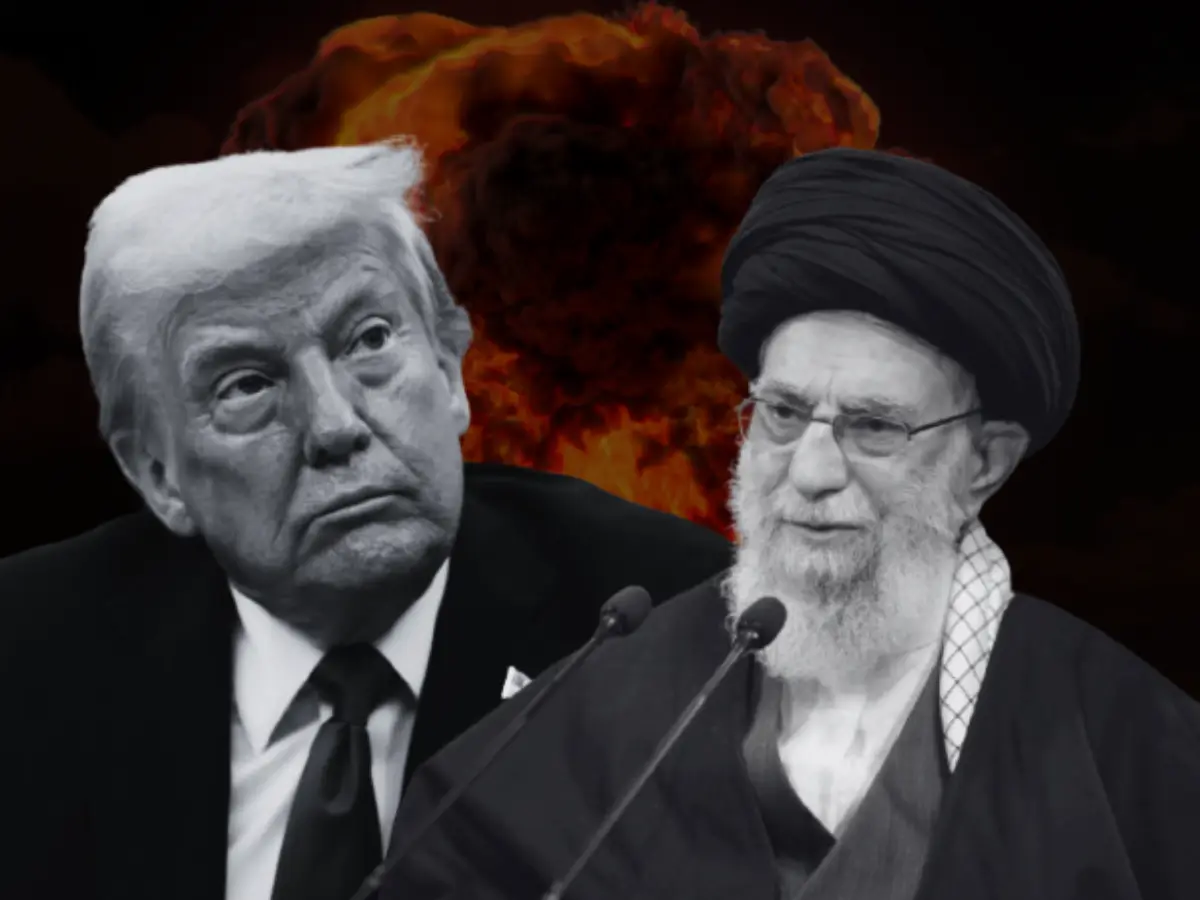
After a 12-day intensive war and a shaky ceasefire with Israel, Iran has now denied continuing its long-due nuclear talks with America. Speaking at an interview with the state TV on Thursday (June 26), Iranian Foreign Minister Abbas Araghchi said, “I say explicitly that no agreement, arrangement or discussion has taken place regarding the initiation of new negotiations." "Some of the speculation about the resumption of negotiations should not be taken seriously," he added. Although there has not been any statement on this by the Supreme Leader, Ali Khamenei. This came in contrast to the statement of US President Donald Trump, who said on Wednesday that Iran and the US would talk next week and “may” sign an agreement on the nuclear programme. The next week's talk would have been the first meeting since the 12-day war between Iran and Israel - which was later joined by Trump.
Some of the prominent officials of Iran, including the Iranian President Masoud Pezehskian, have expressed the urgency of resuming the US-Iran talks; many others, including Argachi, have opposed it in the wake of the conflict.
The strong statement by Arghachi came after the Supreme Leader of the Islamic Republic, Ali Khamenei, slammed Washington and accused the Trump administration of "betrayal" and negotiating in "bad faith." The Iranian foreign minister has also echoed the stance. Tehran made it clear that the recent joint military actions by Israel and the US targeting Iran's nuclear facilities have altered the landscape for any further round of talks.

Tehran's refusal to further talks is a possible result of the accusation by the Islamic Republic that Washington is not a reliable negotiating partner. Khamenei pointed out the unreliability of the US after America targeted three nuke sites of Iran. Khamenei downplayed the damage from the strikes but called the attack American "arrogance."
Trump drops bunker-buster bombs on Iran's Fordow, targets 2 other nuke sites
After claiming that he was not planning to join Israel's military actions in Iran, US President Donald Trump announced on Sunday (June 22) that the US launched an aerial strike on Iran, targeting top nuclear facilities. America struck three key nuke sites of Iran - Fordow, Natanz and Isfahan in its first intervention in the ongoing Israel-Iran war that started on June 13 after Israel struck Iran.
Trending Stories
)
Nigeria: Protesters take to the streets, police fire shots
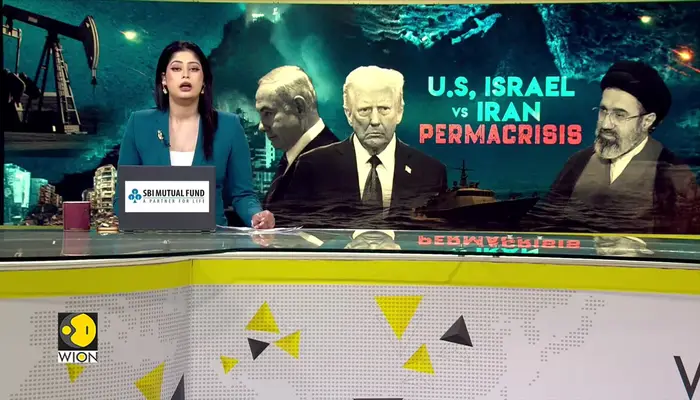)
US-Iran war: Tehran draws red lines — seven demands before any peace talks
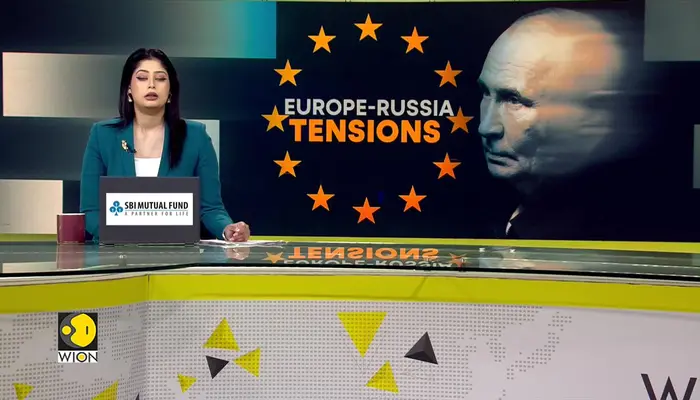)
Russia-Europe tensions: Polish PM warns Russian attacks could test NATO's unity
&im=FitAndFill=(700,400))
‘Not the US or China’: These are the countries leading the world in arable land
)
Mark Carney mimics Trump in hilarious moment over C$70 billion clean-energy investment; room erupts in laughter
)
Pentagon revives mandatory testosterone testing for male troops aged 30 and above
)
Delhi voter roll shake-up: 3.31 million electors flagged in SIR review
)
‘End of my career...’: NSA Doval recalls tense Sikkim mission when China captured Indian intelligence team
)
Report: Iran rebuilding Taleghan 2, nuclear site tied to past weapons research, hit twice by Israel
)
Trump defends AI amid growing alarm, announces new 'AI force' and promises an 'AI czar'
)
Iran sets 7 conditions to end war with US: What are Tehran’s demands?
)
Trump announces ‘AI Force’ as debate grows over AI risks and regulation
)
China may have gained access to US's classified F-35 jets; parts meant for repairs diverted to Hong Kong, sparking Pentagon inquiry
)
Gaza under attack: Health chief's son killed in IDF strikes
)
Arvind Kejriwal, family members, Delhi CM Rekha Gupta get SIR notices
)
Cochin shipyard starts building Indian Navy's next-gen missile vessels
)
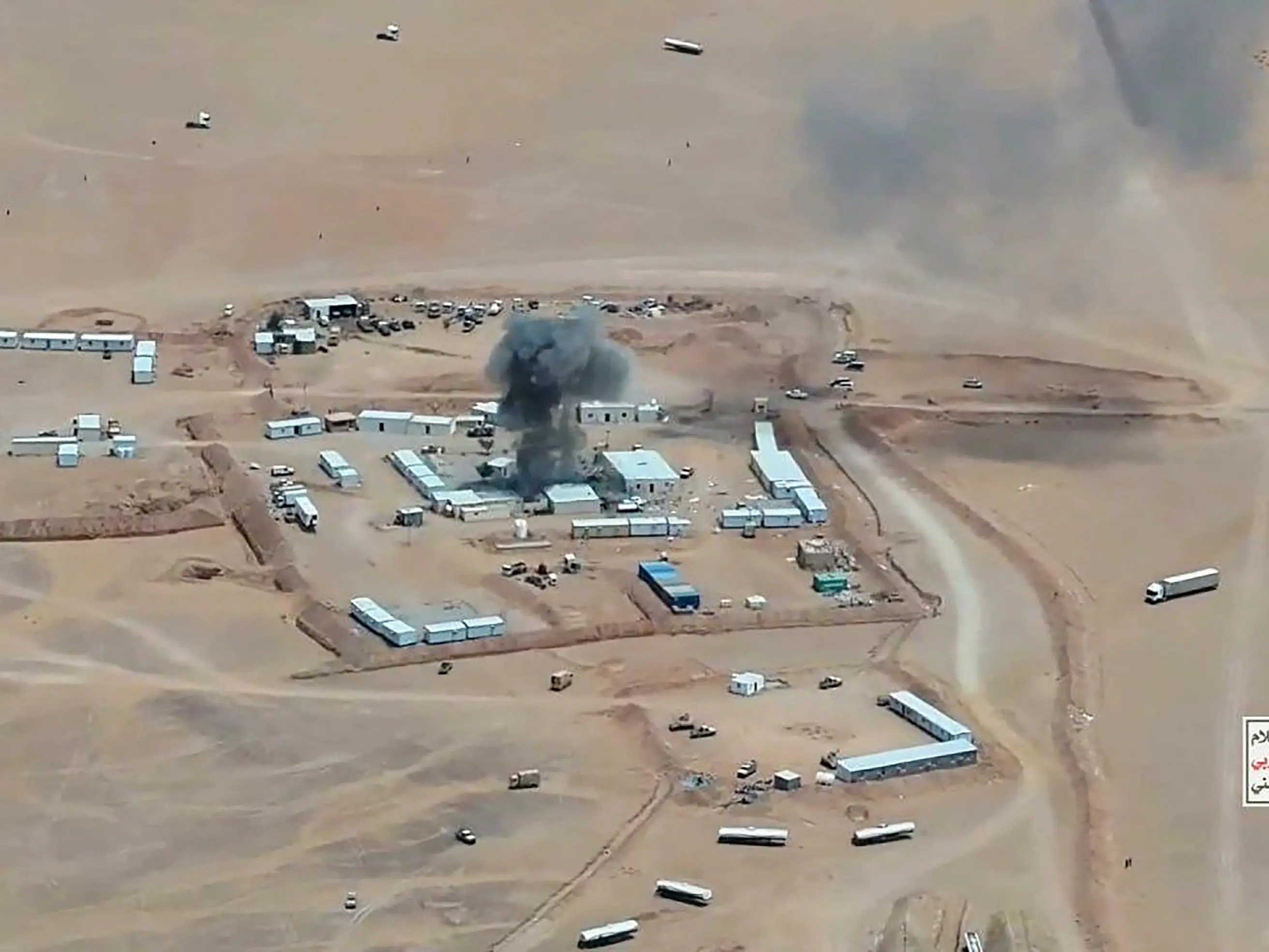
Saudi vs Houthis: Houthis claim missiles & drones used in attack on key Saudi sites
)
Ed Sheeran addresses Macklemore's removal, Gaza conflict during Philadelphia concert: 'I cannot hide how I feel'
)
‘Will go to any extent’: Pakistan vows to defend Saudi Arabia amid Houthi attacks
66 years of the Indus Waters Treaty: How India and Pakistan settled a bitter river dispute
)
The Verdict | When precision fails: US commits war crime in Minab school strike, UN finds
)
9 women found dead near Johannesburg: South Africans rally, demand 'enough' to femicide
)
Kampala-Ankara rift deepens: Uganda suspends military ties, seeks Fred Lumbuye's extradition
)
Trump wants to rename ‘Artificial Intelligence’, gives 3 options: Which one would you pick?
)
US-Iran war: Tehran sets seven conditions to re-engage in talks with US
)
Reacher star Alan Ritchson opens up about alleged blackmail, suicide attempt during difficult period
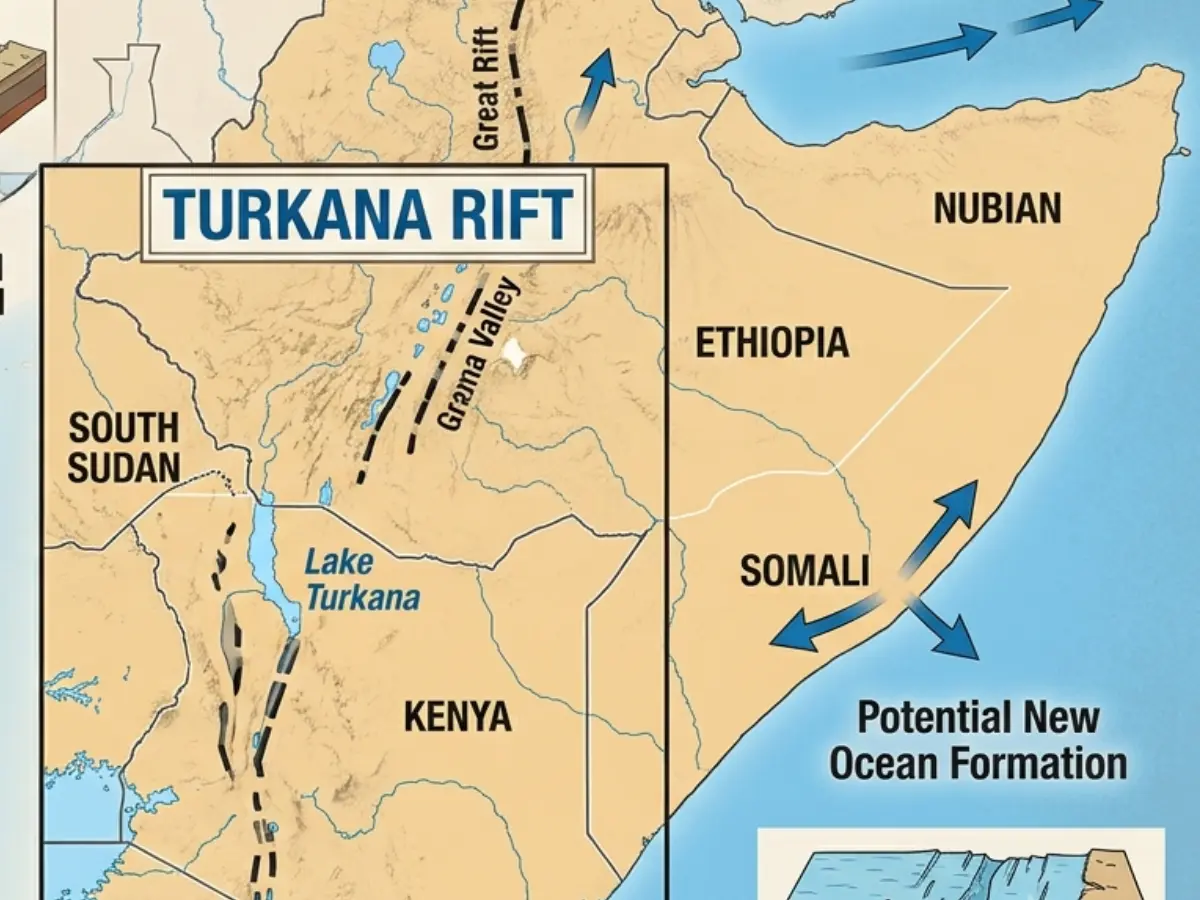)
Africa is splitting, and a lot sooner than estimated, giving way to a new ocean
)
Flying cars in UAE: Ras Al Khaimah signs deal with Chinese company to test new transport
)
Trump bans CNN, MS NOW and Politico from White House over ‘FAKE NEWS’
)
Trump 2.0: Dark days ahead for America’s ‘imperial presidency’
&im=FitAndFill=(700,400))
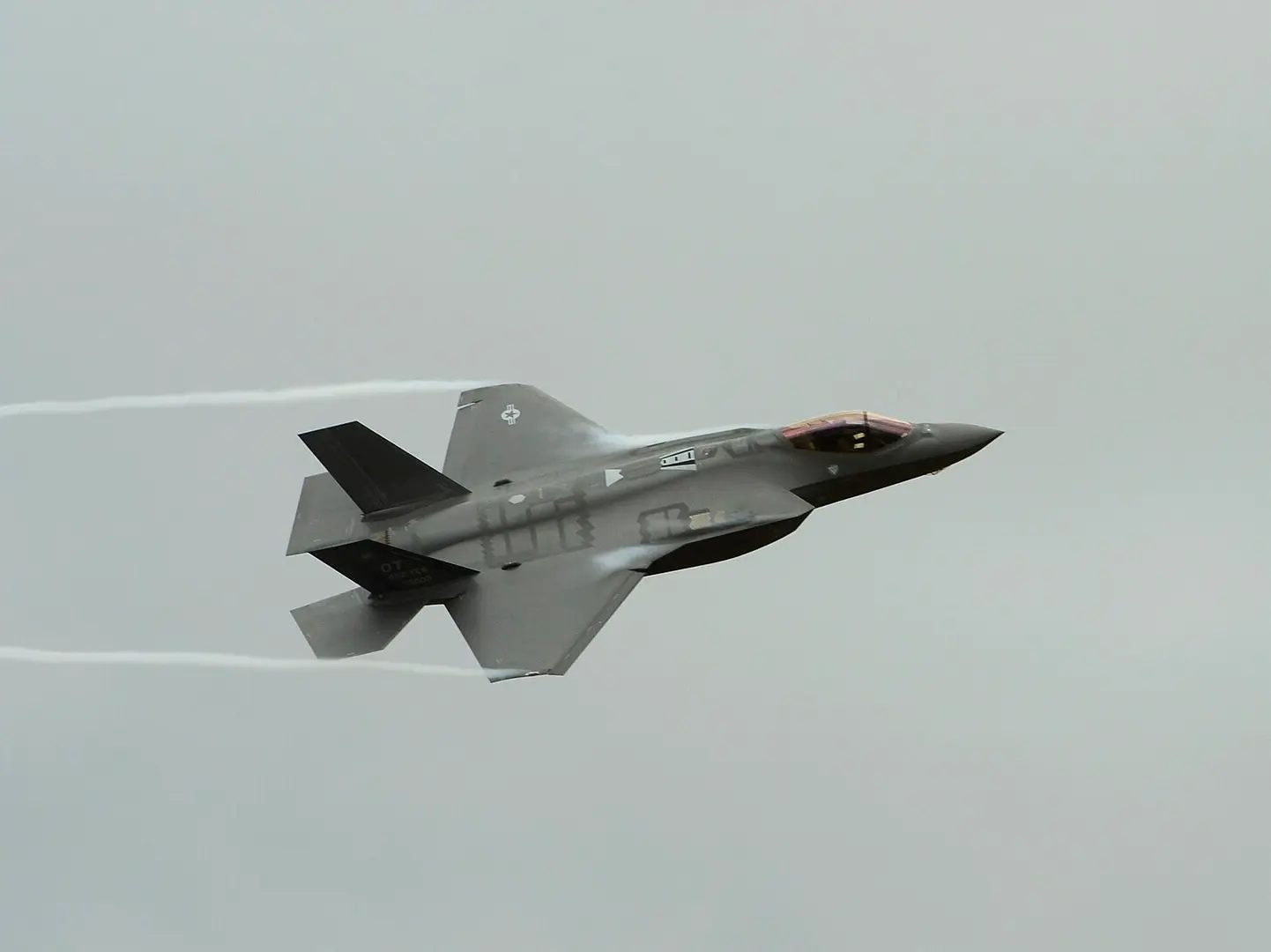
How many F-35s does Britain, Japan and Israel have?
)
Harry Brook targets long reign at top of T20I rankings after Sri Lanka sweep
)
Russia's deadly Ukraine strikes kill 2 in Sumy, hit Dnipro mall
)
Russia holds first parliamentary elections since the beginning of the Ukraine war
&im=FitAndFill=(700,400))
Meet top 5 Indian batters with fastest T20I centuries
)
Raphinha hat-trick powers Barcelona to 3-1 win over Sevilla in La Liga
)
In its strike on Iran's Fordow, the US used around 30,000-pound "bunker buster" bombs and weapons. Trump announced the US intervention in the war on social media after striking the nuclear facilities of Iran. The American president called the airstrikes a "very successful military operation" against Ayatollah Ali Khamenei-led Iran. Moreover, he said the objective of the strikes was the "destruction of Iran's nuclear enrichment capacity and a stop to the nuclear threat posed by the world's number one state sponsor of terror."
How much damage has Iran faced
As per the American news agency CBS News, US defence officials said that three American B-2 bombers were used to strike the Fordow nuclear site of Iran. Each of the B-2s was armed by 2 US-made "bunker-buster" bombs - also known as GBU-57 Massive Ordnance Penetrators, or MOPs bombs. These bombs are extremely heavy in weight and can only be dropped using a B-2.
Iran's key nuke facility, Fordow, was attacked by the US. It is Iran's high-grade uranium enrichment facility and is buried around 300 feet under a mountain. Apart from this, Natanz and Isfahan, two other nuclear sites, were also targeted by the US via Tomahawk missiles launched by submarines.
The United Nations' International Atomic Energy Agency (IAEA) said in a social media post that there was "no increase in off-site radiation levels" after the US strike. Iran's Atomic Energy Organisation also confirmed the US attacks on its three nuclear facilities but said the strikes will not stop it from progressing in its nuclear program.
The condition of Iran's nuke sites
The US strike came after nine days of continuous bombing by Israel on Iran's top nuclear facilities. The Israeli Foreign Minister Gideon Saar claimed Iran’s nuclear programme had been set back by two years - a claim that
Tehran continues to deny. Moreover, the Islamic Consultative Assembly, Mahdi Mohammadi, said that nothing "exceptional" had happened after the US struck Iran.
"From Iran's perspective, nothing exceptional had happened. Iran had been anticipating an attack on the Fordow site for several nights, and the site had been evacuated some time ago. Even if an attack had occurred, no irreparable damage had been recorded," he said.

