Eurozone inflation slows to 10 per cent in November but rate rises expected

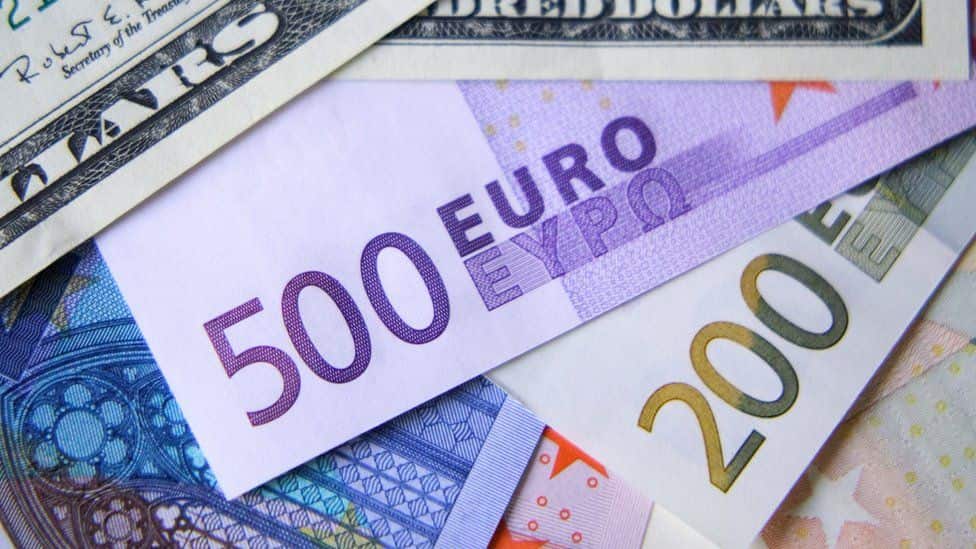
Eurozone Inflation slows to 10 per cent in November
The inflation in the Euro zone has dropped to 10 per cent for the first time since November and in the process, it has also exceeded the expectations of most experts. The 19 countries which recognise Euro as their currency grew by just 10 per cent after a 10.6 per cent rise in October.
Most experts said that the inflation is expected to be somewhere around 10.4 per cent but the fall in inflation has given rise to hope among the economies that the prices can stabilise before the new year.
The inflation was directly related to the energy and food crisis created by the Covid-19 pandemic and the ongoing Russia-Ukraine conflict. While the assurance of price caps on oil and energy has somewhat resulted in the slowdown, the food price inflation continues to be a major concern.
The other issue with both food and energy prices is the extreme volatility experienced in the global market. While the European Central Bank has already raised interest rates on multiple occasions, more such measures are expected in the near future to keep the inflation rate steady.
This was the first time that the inflation rate came down to 10 per cent in well over a year and it has become a headache for governments. Without food and fuel costs, the inflation has actually gone up slightly from 6.4 per cent to 6.6 per cent – a trend that contradicted with most predictions.