European Union agrees in principle to sanction Russia over Navalny poisoning

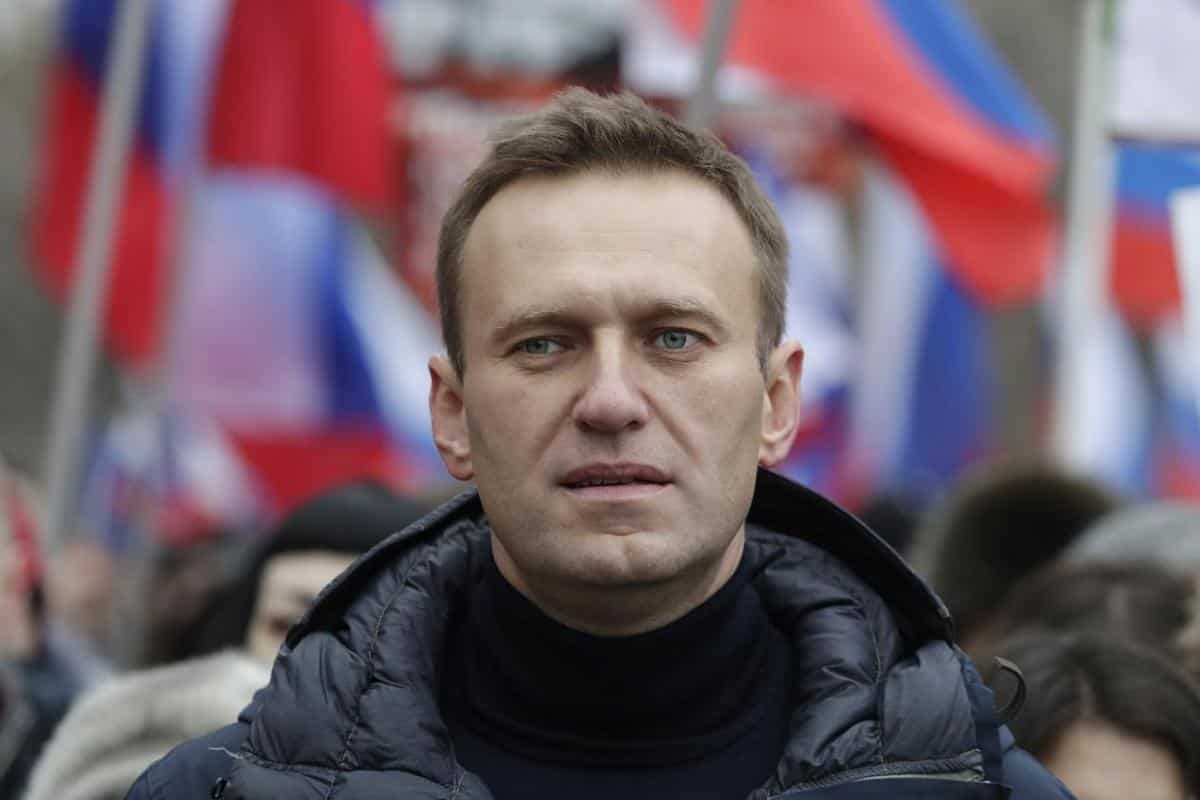
Alexei Navalny
Foreign Ministers of the European Union agreed in principle on Monday to support a proposal curated by France-Germany to initiate sanctions against Russia over the Novichok poisoning of Russian opposition leader and fierce critic Alexei Navalny.
Reported by news agency AFP, 27 ministers who met for talks in Luxembourg had reached political agreements to begin work on the sanctions, as per the guidelines set out by France and Germany last week.
According to the two countries, Russia is responsible for Navalny’s poisoning, in which a Soviet-era nerve agent Novichok was used. Even though Russia has staunchly denied its role, and the usage of any poisonous substance, tests undertook by Germany revealed that a poisoning substance was actually used on the critic.
Alexei Navalny, the fierce Kremlin critic who was poisoned with a Soviet-era nerve agent Novichok, and has since recovered called on the European Union to initiate action against oligarchs that are close to Russian administration. The critic of Russia’s government was reportedly poisoned with a new variant hailing from the Novichok group of toxins.
Many countries, especially from the West have warned Russia of sanctions if they don’t assist in investigations. Many have also alleged the role of Russian administration in Navalny’s poisoning.
"Sanctions against the whole country don't work. The most important thing is to impose entry bans on profiteers of the regime and freeze their assets," Navalny told German newspaper Bild. "They embezzle money, steal billions and at the weekend they fly to Berlin or London, buy expensive apartments and sit in cafes," he added.
He suggested Valery Gergiev, the chief conductor of the Munich Philharmonic as the target for potential sanctions, for he was a staunch supporter of Putin. The EU could freeze the assets and enforce travel bans on Russians that may be involved in Navalny’s poisoning.