EU proposes extensive defence enhancement as Ukraine conflict persists

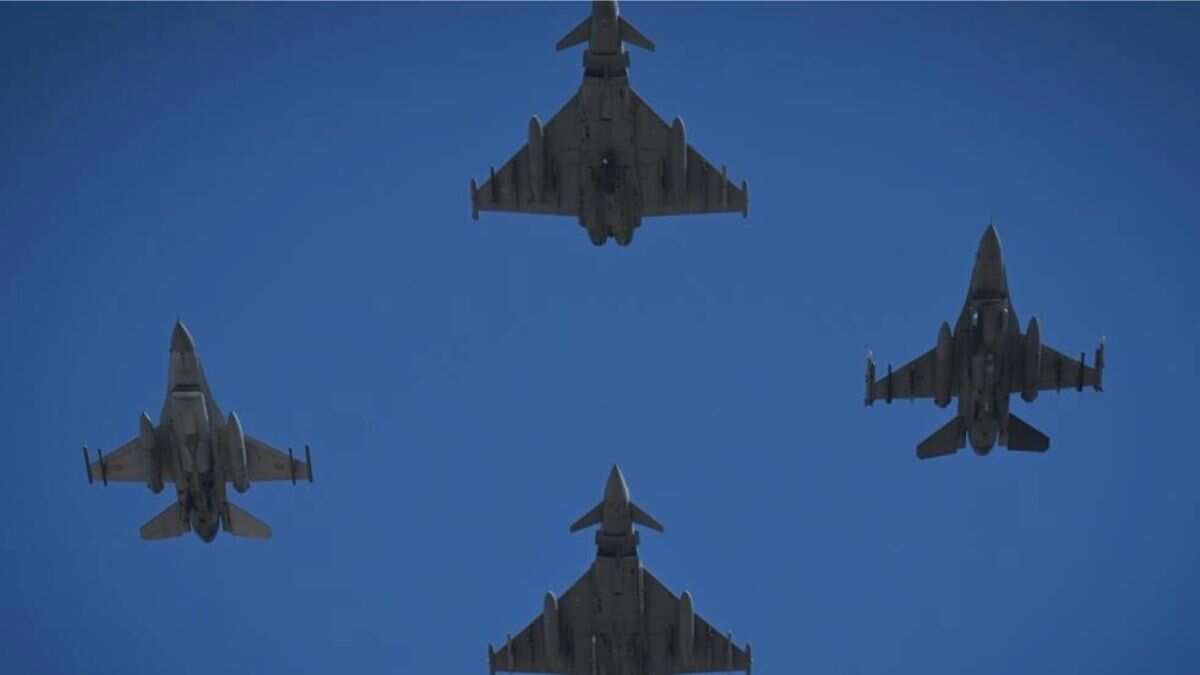
File photo
The European Union has put forth an expansive proposal for a substantial increase in defence capabilities as the conflict in Ukraine persists.
EU officials revealed plans on Tuesday to enhance weapons production and procurement within the bloc, aiming to reduce dependence on US arms and respond to Russia's invasion of Ukraine.
European Commission Vice President Margrethe Vestager emphasised the need for the EU to take greater responsibility for its security while maintaining commitment to the NATO alliance.
The European Defence Industrial Strategy, proposed by the commission, aims to incentivise European arms manufacturers to invest more, increase production agilityand collectively catalog their available resources.
However, financing the ambitious initiative poses a challenge for a continent that has reduced defense investment for decades. EU internal market commissioner Thierry Breton has indicated a requirement of around 100 billion euros for the EU to compete with the Pentagon and US defence industry.
To kickstart the project, the commission plans to allocate 1.5 billion euros from the EU's current budget until 2027. This amount, although acknowledged as relatively modest, is seen as an incentive to support member states' increased funding over the coming years.
Some countries, like France, advocate for EU bonds to finance a pan-European weapons production base, similar to the approach taken for economic recovery from the Covid pandemic.
However, frugal countries such as Germany oppose this, expressing concerns about centralising budget power in Brussels and compromising national sovereignty over defence matters.
The impetus for this proposed defence industry strategy was Russia's invasion of Ukraine two years ago.
EU officials argue that the bloc now faces a new security paradigmwith an assertive Russia operating under wartime economic conditions. The initiative aims to counter the return of high-intensity warfare on the EU's borders.
Despite financial and military support to Ukraine, the EU has fallen short on arms production targets, failing to deliver the promised one million artillery shells.
The proposed strategy seeks to address these shortcomings and reduce the EU's reliance on external defence spending, particularly from the US.
(With inputs from agencies)