EU attempts to ease Kosovo-Serbia tension, to hold talks with both sides

The European Union (EU) is planning to hold crisis talks with Serbia and Kosovo on Thursday (June 22) as the bloc is taking step to ease the latest flare up in tensions.
"I have called the leaders of Serbia & Kosovo to Brussels for urgent meetings to find the way out of the current crisis," the EU's foreign affairs chief Josep Borrell said.
"We need immediate de-escalation & new elections in the north with participation of Kosovo Serbs. This is paramount for the region & EU," Borrell tweeted.
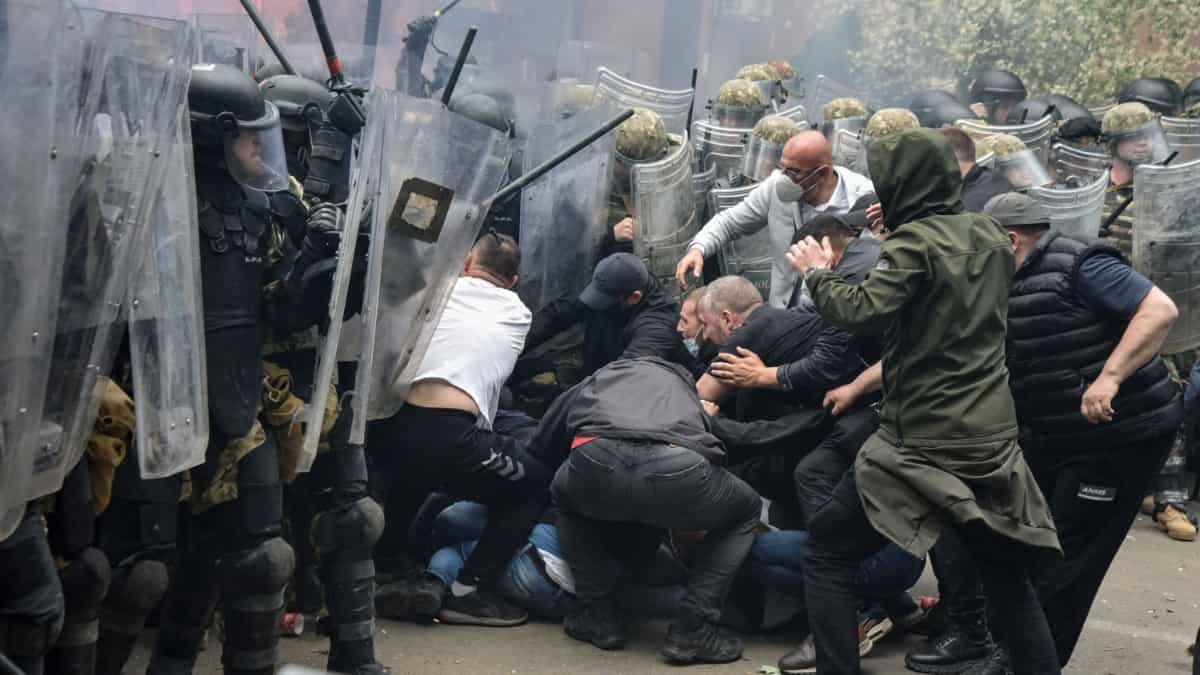
The latest spike in tension between Serbia and Kosovo has been caused by detention of three Kosovo police officers by Serbia. The Kosovan officers were detained last week. Their detention followed weeks of tension over disputed elections in Serb-majority northern Kosovo. The riots in an ethnic Serb majority municipality in northern Kosovo had injured 30 NATO peacekeepers.
The EU had warned Kosovo of political consequences if it did not reverse course on the election. The political consequences the EU warned of were suspension of high-level visits and financial cooperation.
Kosovo and Serbia have had strained relations since a war in late 1990s. The war had led to NATO intervention against Serbia. Kosovo declared independence from Serbia in 2008. But Belgrade has refused to recognise it. Kosovo mainly gets support from the Western countries including the US while China and Russia are main backers of Serbia. Due to China and Russia's refusal to recognise Kosovo, it has not been able to get a seat at the United Nations.
Ethnic Serbs remain largely loyal to Belgrade especially those in northern Kosovo. In this region Serbs make up a majority in several municipalities and resist Pristina's moves to consolidate its control over the region.
Serbia sees Kosovo as its spiritual and historical homeland. It has been the scene of pivotal battles over centuries. Kosovo has Serbian Orthodox Church's most revered monasteries.
Recent flare-up in tensions
Ethnic Serbs had boycotted municipal election in northern Kosovo in April. The voter turnout was less than 5 per cent. This enabled ethnic Albanian mayors to get 'elected'. Serbs did not see these mayors as their true representatives.
In the month of May, Kosovan authorities tried to install these mayors against the wishes of majority Serbs. This led to clashes and NATO peacekeeping troops, who attempted to separate protesters from the police were caught in the violence and were injured.
(With inputs from agencies)
You can now write for wionews.com and be a part of the community. Share your stories and opinions with us here.
WATCH WION LIVE HERE