Nuclear power phase-out: Germany switches off remaining three reactors permanently

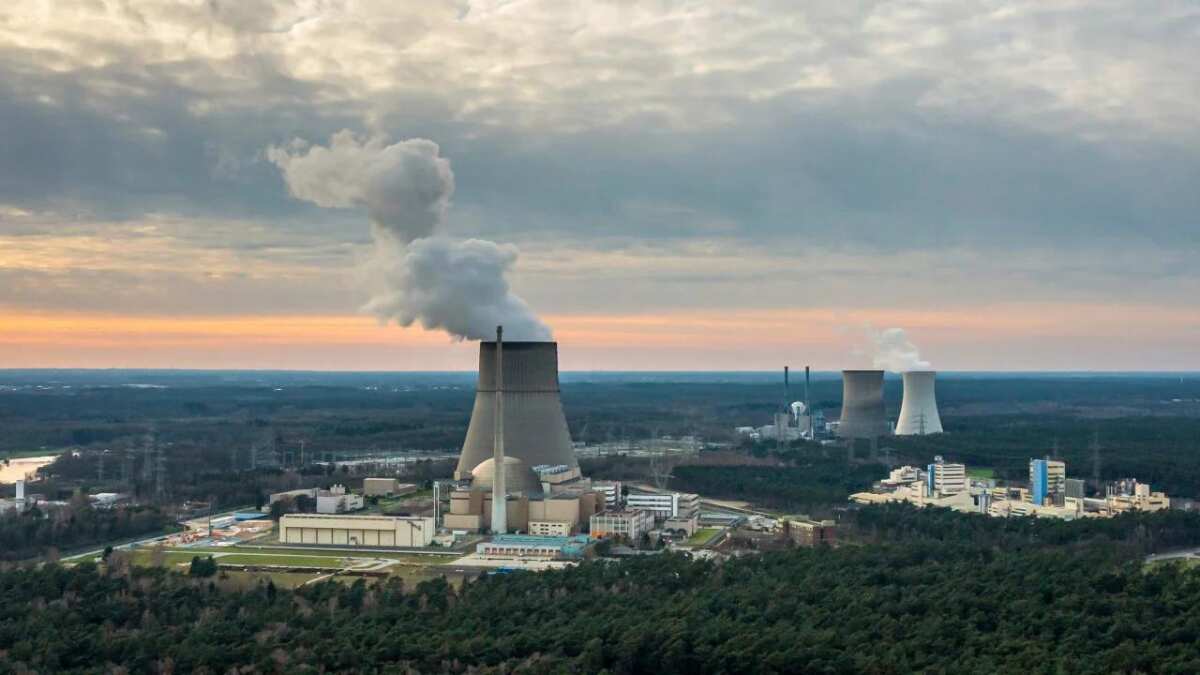
Germany nuclear power plants
An era is about to draw close in Germany. The country will shut down operations in its remaining three nuclear power plants on Saturday — marking the end of the atomic age that spawned more than six decades.
The European nation and its populace have always harboured a strong anti-nuclear sentiment. The campaign to exit nuclear energy started during the Cold War after the Chernobyl disaster in Ukraine and it was accelerated after the 2011 Fukushima Daichi disaster in Japan. Shutters are coming down 12 years later.
"The risks of nuclear power are ultimately unmanageable," said Environment Minister Steffi Lemke as she visited the Japanese plant earlier this week.
The three plants to shut down later on Saturday provided six per cent of Germany's energy last year — down from the highs of nearly 31 per cent that all nuclear plants provided in 1997. Notably, Germany has shut down 16 reactors since 2003.
Extension of power plants
It was last year in October that Chancellor Olaf Scholz announced to keep the three plants running till April amid a looming power crisis, exacerbated by the Russia-Ukraine war.
"The legal basis will be created to allow the operation of the nuclear power plants Isar 2, Neckarwestheim 2 and Emsland beyond December 31, 2022, until April 15, 2023," said Scholz at the time.
Russia supplies about 40 per cent of the European Union's gas. And Germany relies on Moscow for 55 per cent of its gas needs.
Though it has managed to reduce this to 35 per cent and wants eventually to reduce imports to zero, Germany has been mulling increasing the use of coal and extending the life of power stations despite the negative environmental impact.
WATCH |Germany keeps two nuclear reactors on standby amid Europe's energy crisis
Experts, however, are puzzled that Berlin is going ahead with its plan to use coal energy, despite the serious environmental ramifications it has.
“At a time of heightened concern about energy security, Germany will be abandoning assets that can displace 34 billion cubic metres of gas a year," Tom Greatrex, chief executive of the UK’s Nuclear Industry Association was quoted as saying in The Guardian.
To offset the loss of nuclear plants and the energy they provided, Scholz has called for installation of "four to five wind turbines a day" over the next few years. However, the ground reality remains different as only 551 wind turbines were installed last year.
With the country planning to close all coal-fired power plants by 2038 with the first round of closure planned in 2030 — the clock is ticking for Scholz's administration to ensure energy stability for the public.
(With inputs from agencies)
WATCH WION LIVE HERE: