Election security in focus: Protecting the vote

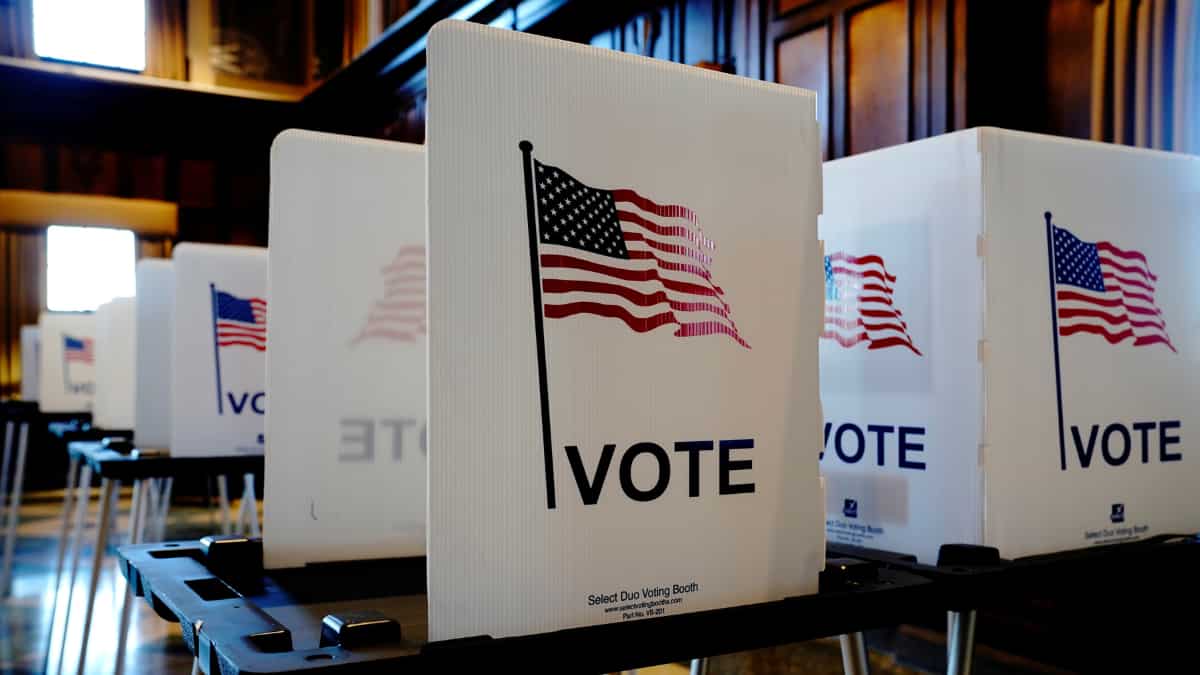
US elections
Election security has become a pressing concern for both Republicans and Democrats in the United States. The issue has sparked intense debate, with each side presenting unique perspectives on how to ensure the integrity of the electoral process.
Common Ground: Concerns About Money in Politics
Both parties agree that the influence of money in politics is a significant problem. Republicans and Democrats alike recognise that the high cost of campaigns and the role of special interest groups can undermine the democratic process.
Republican Concerns: Voter Fraud and Election Integrity
Republicans have expressed concerns about voter fraud and election integrity. They argue that measures such as voter ID laws and stricter voting regulations are necessary to prevent illegal voting and ensure the accuracy of election results.
Democratic Concerns: Voter Suppression and Election Accessibility
Democrats, on the other hand, focus on issues related to voter suppression and election accessibility. They contend that voter ID laws and restrictive voting regulations disproportionately affect minority and low-income voters, potentially disenfranchising them.
Bipartisan Criticisms: Election System Vulnerabilities
Both parties have criticised the vulnerabilities in the election system, including the risk of cyber attacks and the need for improved voting technology. There is a shared recognition that the electoral process must be protected from foreign interference and domestic manipulation.
Proposed Solutions: Election Reform and Increased Transparency
To address these concerns, various solutions have been proposed, including election reform, increased transparency, and improved voter verification processes. Some advocate for a more decentralised election system, while others recommend stricter regulations on campaign finance.
The Way Forward: Collaboration and Bipartisanship
Ultimately, ensuring election security requires collaboration and bipartisanship. By acknowledging shared concerns and working together, Republicans and Democrats can develop effective solutions to protect the integrity of the electoral process.
Conclusion
As the United States approaches the November 5, 2024, elections, the importance of election security cannot be overstated. With concerns including but not limited to cyber threats and foreign interference, it's crucial that policymakers prioritise bipartisan solutions to protect the integrity of the electoral process.
Ultimately, election security is not a partisan issue, but a national imperative. As the country prepares for this pivotal moment, citizens, policymakers, and election officials can work together to safeguard the foundation of American democracy – the right to free, fair, and secure elections.
This collective effort will not only bolster public trust but also reinforce the United States' position as a beacon of democratic excellence worldwide.
