Economic D-Day: US prepares intense Iran sanctions as Tehran warns of oil export blockade | Race To Power

&imwidth=600&imheight=450&format=webp&quality=medium "Economic D-Day: US prepares intense Iran sanctions as Tehran warns of oil export blockade | Race To Power")
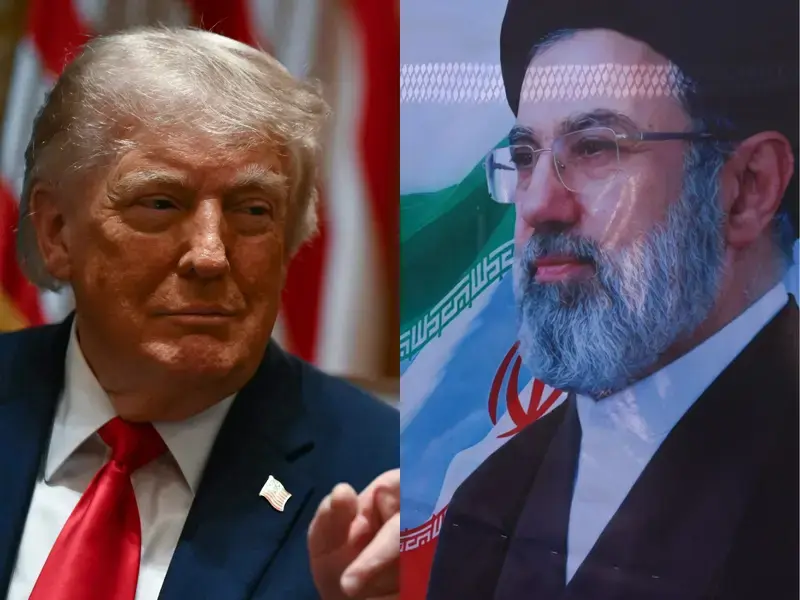
US President Donald Trump, Iran's Supreme Leader Ayatollah Mojtaba Khamenei Photograph: (Photograph: (Combination created using image)
The US plans a massive wave of economic sanctions against Iran, prompting Tehran to threaten a total oil export shutdown while exploring regional security alliances with Iraq, Saudi Arabia, and Turkey.
The physical war between the US and Iran may be on the back burner for now, but Washington has now deployed a different kind of warfare. Donald Trump and the American administration are calling it the 'economic D-Day' for Iran, as the country threatens the most intense wave of sanctions on Tehran. But the question is this: with Iran's history of dealing with sanctions already, will the latest move from the US change enough to subdue the Iranian leadership into an agreement with Trump?
Let's begin with the latest Trump post on Truth Social. Instead of a long rant, the US President has, at the moment, put out a single statement: 'Iran is completely collapsing!!!' This of course, is in reference to the fresh wave of economic sanctions that the US has planned to further crumble Iran economically.
Iran has been bracing for the sanctions for days, issuing a series of strongly worded warnings and threatening retaliation. It has said that if the economic war continues, not a single drop of Iranian oil will be exported; neither through the Strait of Hormuz nor from anywhere in the Persian Gulf. Iran's top national security official has suggested Tehran still has more cards to play. Iranian Foreign Minister Abbas Araghchi says the bullying under President Trump is no different from that under previous US administrations.
Remember, Iran has lived under US sanctions for decades, since 1979. But the country's top leadership appears to be looking at a shift in historic alliances on two fronts: strengthening the relationships that exist and smoothing out any wrinkles in historically complicated ties.
Just days after Saudi Arabia, Turkiye and Pakistan signed the Mecca Agreement, reports suggest Iran has received an invitation to join the new security alliance. Iran's Foreign Ministry then confirmed that doors have been opened for negotiations, although there is no formal invitation to join yet.
Also read: ‘Foolish to fight’: Trump admin escalates trade war warning to Canada after talks breakdown
Secondly, Iraq has proposed a unified security coordination council with Iran and Saudi Arabia aimed at rebuilding trust between the regional rivals. Iraqi National Security Adviser Qasim al-Araji told state TV that the initiative seeks to address what he called a 'crisis of confidence,' between Tehran and Riyadh.
For Iran's leadership, the outlook is not just about bearing the brunt of economic sanctions. It is now about retaliation. Retaliation that can be seen in the latest post by Iran Parliament Speaker MB Ghalibaf. There is poster with data on America's hunger situation, and inadvertently mocks domestic problems continue to mount for the US, while the administration plans sanctions against Iran's population.