Denmark says mutated coronavirus from mink farms 'most likely eradicated'

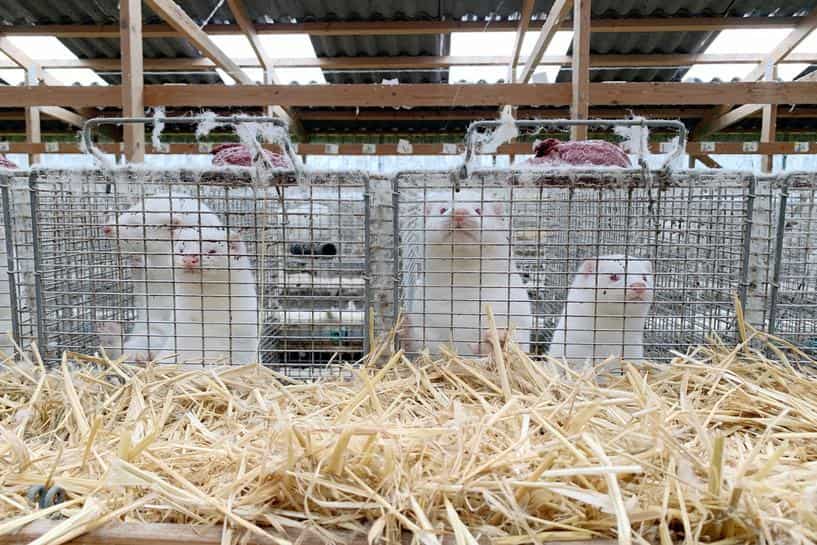
Minks in Denmark
Denmark'shealth ministry said on Thursday that anew, mutated strain of the novel coronavirus stemming from mink farmsis "most likely" extinct.
"There have been no new cases of the 'Cluster 5' mink mutation since September 15, which has led to the Danish infectious disease authority SSI to conclude that this variant has most likely been eradicated," the ministry said in a statement, after the government ordered a cull of all the country's 15 to 17 million minks in a bid to halt the spread of the variant.
The Danishgovernment said most of the strict restrictions it had imposed on November 5 on seven municipalities in the North Jutland region, home to 280,000 people, would be lifted on Friday. They had originally been due to stay in place until December 3.
All minks in the seven municipalities have been culled, totalling 10.2 million, and the slaughter is still ongoing in other parts of the country.
With three times more minks than people, the Scandinavian country is the world's biggest exporter, selling pelts for around 670 million euros ($792 million) annually, and the second-biggest producer behind China.
Two weeks ago,Denmarkordered all farmed mink in the country culled to curb widespread outbreaks of COVID-19 on farms, a situation exacerbated by the discovery of a mutated variant, which authorities said showed reduced sensitivity to antibodies.
On Wednesday, the Nordic country's Food and Agriculture Minister resigned following the admission by the government it did not have the proper legal basis behind the cull order, making it a potential constitutional breach.
Opposition parties inDenmarkare calling for Prime Minister Mette Frederiksen to step down too, saying she was ultimately responsible.
Frederiksen has apologised publicly, but maintains the decision to cull all mink was sound and based on an assessment by health authorities.
Based on improved infection numbers in the northern part ofDenmark, home to most of the country's mink farms, the Health Ministry on Thursday also announced it would ease restrictions imposed two weeks ago to curb the spread of the virus.
Mink have shown a particular susceptibility to infection from the coronavirus, a problem inflamed by the fact that mink are bred in large numbers and in close living conditions, according to the World Health Organization.