Black Sea grain deal expires after Russia backs out

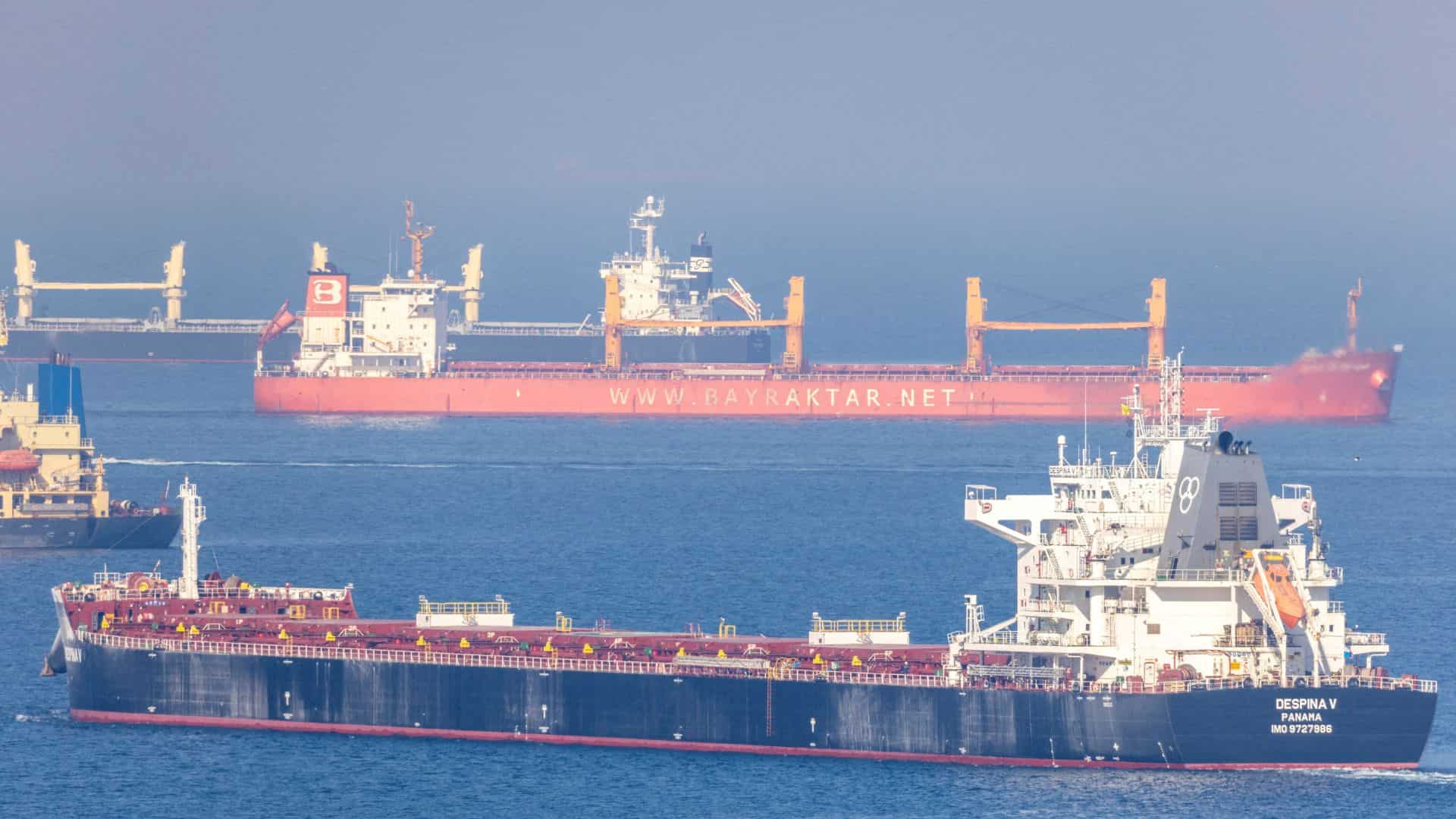
Black sea grain deal
The agreement that enabled Ukraine to export grain to international markets through the Black Sea came to an end at Monday (July 17) midnight in Istanbul (2100 GMT) as Russia declined to extend it further.
The deadline was established when the deal, facilitated by the UN and Turkey in July 2022, was most recently extended for a duration of two months in May.
The termination of the Black Sea grain deal by Russia has sparked concerns over food security and rising prices, according to UN Secretary-General António Guterres.
The agreement, which aimed to address the food crisis resulting from Russia's blockade of Ukrainian ports, allowed for the export of millions of tonnes of grain.
However, with the voluntary deal now collapsing, grain prices have already started to rise, impacting consumers and millions of people facing hunger worldwide, reported the Guardian.
UN Secretary-General expresses regret over Russian decision
UN Secretary-General António Guterres expressed his deep regret regarding Russia's decision to terminate the Black Sea grain deal. He emphasised that the Kremlin's move would have severe consequences for hundreds of millions of people facing hunger and strained consumers worldwide.
Grain prices on the rise
As news of Russia's termination of the agreement broke, grain prices in the markets had already begun to increase. Under the deal, grain prices had fallen by 35 per cent.
However, the collapse of the agreement has reversed this trend, further exacerbating concerns over food affordability and availability.
While Turkish President Recep Tayyip Erdoğan had earlier expressed optimism about potential progress in talks at the UN to preserve the deal, Secretary-General Guterres' statement seemed to acknowledge that the agreement, brokered by the UN and Turkey and renewable every three months, was effectively over.
Russian decision finalised
A senior Russian official at the UN stated that the decision to terminate the grain deal was final. Planned discussions between Russian Foreign Minister Sergei Lavrov and Turkey's new Foreign Minister Hakan Fidan regarding the deal were consequently affected.
Secretary-General Guterres expressed his deep disappointment with the explanations provided by Russia for terminating the agreement. He rejected claims made by Russia, including the loss of Russian food markets, as Russian grain trade and fertiliser markets had witnessed stability and growth.
Concerns over food security
All parties involved acknowledge that if the suspension lasts more than a few days, reviving the agreement may become impossible, resulting in further price hikes. Ukraine has proposed exporting its grain via ship in defiance of the Russian naval blockade, a move that raises concerns about potential escalation and the response of western diplomats.
Leaders from various countries criticised Russia's decision, with the White House stating that the suspension of the pact would worsen food security and harm millions. UK Foreign Secretary James Cleverly condemned Russia's actions, noting the detrimental impact on global food prices and the potential increase in undernourished individuals worldwide.
Russia and the West are expected to blame each other for the collapse of the deal as they attempt to shift responsibility for the inevitable rise in food prices. The situation further complicates matters for Russian President Vladimir Putin, who faces an upcoming African-Russian economic summit and potential public criticism.
The joint coordination centre(JCC), responsible for decision-making concerning vessel movements and inspections, faced increased pressures amid tensions surrounding the implementation of the parallel agreement signed by Russia and the UN. Differences arose regarding ship participation, inspection procedures, and overall operation, intensifying the strain on the JCC.
Profound consequences for Africa
The collapse of the grain deal will have substantial implications for Africa, affecting stable supply and relative price stability.
Also watch |Black Sea grain deal: Can the corridor operate without Russia?
With double-digit inflation and protests already occurring due to rising food and fuel prices in countries like Nigeria, Kenya, and Ghana, the inability to revive the deal and subsequent price increases may compound economic crises and contribute to further unrest.
Russia's decision on grain deal'unconscionable': Blinken
USSecretary of State AntonyBlinkenon Monday said that Russia's decision to halt participation in the grain deal was "unconscionable" and called for the pact to be restored as quickly as possible.
"The bottom line is - it's unconscionable. Should not happen. This should be restored as quickly as possible. And, I hope that every country is watching this very closely. They will see that Russia is responsible for denying food to people who desperately need it around the world and to contribute to rising prices at a time when many countries continue to experience very difficult inflation," Blinken said.
WATCH WION LIVE HERE: