Darkness, hunger & poor sanitation: Hamas kept Israeli hostages in ‘horrible conditions’

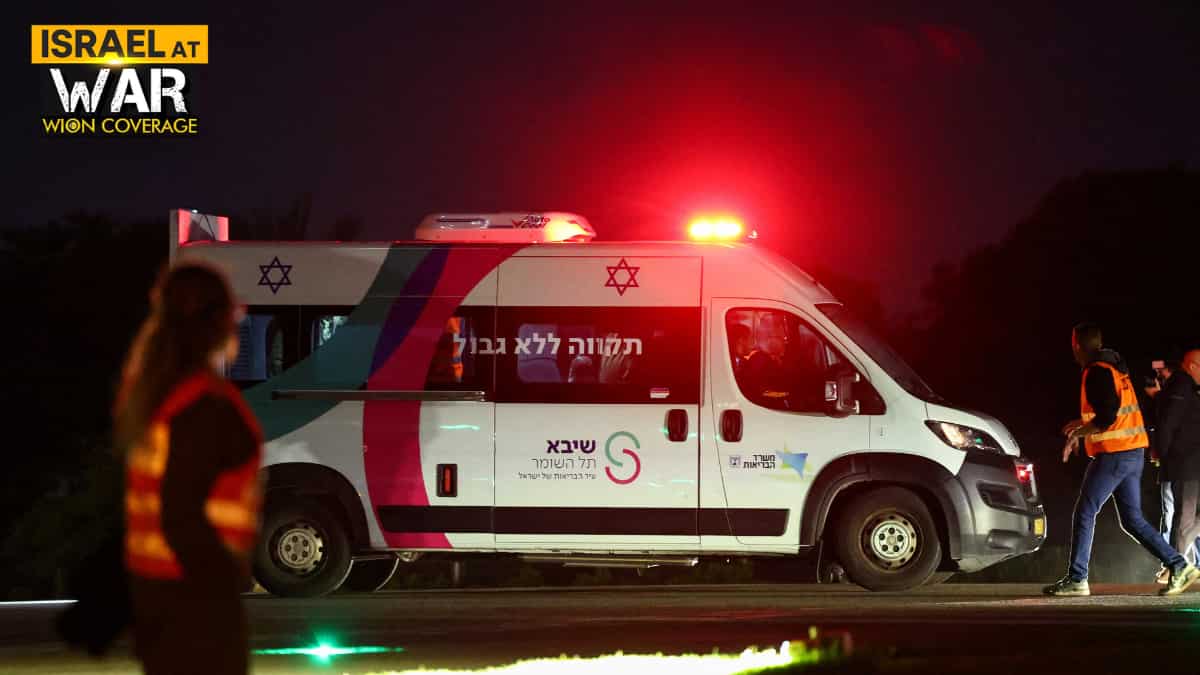
Israeli hostages
Seventy-eight-year-old Ruthy Munder was among the hostages who were released by Hamas, a Palestine-based group that has been designateda terrorist organisation by many nations including the US and the UK. She spokeabout the darkness, shortage of food, poor sanitation, and other ordeals she faced when she was held hostage by Hamas.
Sky News posted a video crediting Channel 13 News Israel, in which Munder can be heard saying that she spent the entirety of her time with her daughter, Keren, and grandson, Ohad Munder-Zichri. She also said that Ohad celebrated his ninth birthday in captivity.
Munder was seen in a video released by the Israeli government on Saturday (Nov 25) of those who were released from captivity in Gaza on Friday.
Hamas has released around 60 Israeli women and children as part of the deal which took effect on Friday. They have also released several other foreign nationals. In return, Israel freed Palestinian detainees from prisons.
But more than 160 other hostages taken in the Hamas attacks on October 7 are still held in the Gaza Strip. Dozens have even gone missing.
'Poor nutrition and solitary confinement'
Israeli hostages have not spoken directly to the media about the conditions they were kept in. The hospitals have been asked to not reveal any details about the hostages and their experiences.
But some details are emerging. As quoted by the news agency AFP, Ronit Zaidenstein, head of the medical team at Shamir Medical Centre where 17 released Thai nationals were treated, said they had been fed "very unnutritious food" in captivity.
"The people who came to us lost a significant amount of their body weight in such a short time - 10 per cent or more."
Margarita Mashavi, a doctor at Wolfson Medical Centre, which is one of the main facilities caring for freed hostages, said those she spoke to described being kept several stories underground. The remarks came in an interview which is now taken offline.
"They didn't give them light. They gave it to them for only two hours," she was quoted as saying by the Ynet news site on Monday.
The patient said her meals consisted of "rice, canned hummus and fava beans, and sometimes salted cheese with pita, but not more than that. No fruit, no vegetables, no eggs," she said.
"Even when they asked for a pencil or pen to write in order to pass the time, the Hamas men didn't allow it because they were afraid they would transmit information in writing, so they were without television or reading, and therefore passed the time only in conversation with one another," Mashavi said.
Watch:Palestinian movements flag 'truce violations by the occupier'
'Horrible conditions'
Esther Yaeli, the grandmother of 12-year-old French-Israeli boy Eitan Yahalomi, who was released on Monday, told the Walla news website he was held in solitary confinement for 16 days.
"The days that he was alone were horrible," she said. "Now Eitan appears very withdrawn. The noises of the bombs hurt him, his ears hurt for a very long time," Yaeli said he told her.
Hagar Mizrahi, who is the head of the Israeli health ministry's operations for returning hostages, told AFP that they had been held in "horrible conditions" and that "the medical consequences are pretty clear".
(With inputs from agencies)
Disclaimer: A number of claims and counterclaims are being made on Ukraine-Russia war on the ground and online. While WION takes utmost care to accurately and responsibly report ongoing developments, we cannot independently verify the authenticity of all statements, photos and videos