Covid may have spread from infected raccoon dogs sold in Wuhan seafood market: Report

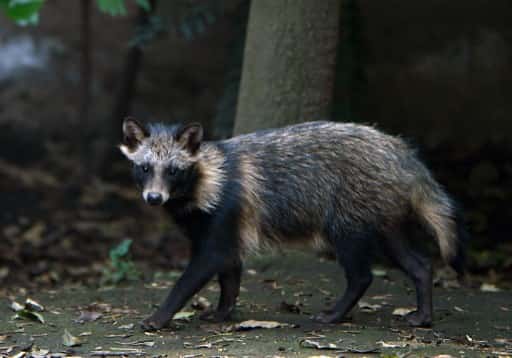
Raccoon dogs were being illegally sold at the Huanan Seafood Wholesale Market in Wuhan.
An international team of experts has found out that Covid may have spread from infected raccoon dogs that were being illegally sold at the Huanan Seafood Wholesale Market in China's Wuhan. According to a report by The Atlantic on Thursday (March 16), a new analysis of genetic sequences collected from the market shows that these dogs sold at the venue could have been carrying and possibly shedding the virus at the end of 2019.
It is some of the strongest support yet, experts told the magazine, that the pandemic began when SARS-CoV-2 hopped from animals to humans, rather than in an accident among scientists experimenting with viruses. The report said that the new analysis may offer some of the clearest and most compelling evidence that the world would ever get in support of an animal origin for Covid.
As per the report, genetic sequences were pulled out of swabs taken in and near market stalls around the beginning of the pandemic. They represented the first bits of raw data that researchers outside of China's academic institutions and their direct collaborators had access to. The data was posted by researchers affiliated with the country's Centers for Disease Control and Prevention, on GISAID,which is an open-access genomic database.
Scientists in North America, Australia and Europe spotted the sequences, downloaded them and started an analysis. An earlier analysis released in February last year asserted that no animal host of SARS-CoV-2 could be deduced. And any motes of Covid at the market, "had most likely been chauffeured in by infected humans, rather than wild creatures for sale," it said.
However, the new analysis led by three researchers,Kristian Andersen, Edward Holmes, and Michael Worobey,shows that this might not be the case, The Atlantic reported.
After downloading the data from GISAD, the researchers and their collaborators found out that several market samples which tested positive for SARS-CoV-2 were also coming back chock-full of animal genetic material—much of which was a match for the common raccoon dog.
Because of how the samples were gathered and since viruses cannot persist by themselves in the environment, the scientists think their findings could indicate the presence of a Covid-infected raccoon dog in spots where the swabs were taken. Kristian Andersen, one of the researchers, told The Atlantic that raccoon dogs were not tested at the market and were likely removed prior to the authorities coming in.
Andersen underscored that the findings are not direct evidence of infected dogs at the market. “Do I believe there were infected animals at the market? Yes, I do. Does this new data add to that evidence base? Yes," he said.
Raccoon dogs, which are commonly bred for sale in China, are already known to be one of many mammal species that can easily catch and spread Covid.
The report further said that the findings do not rule out the possibility that other animals may have been carrying SARS-CoV-2 at Huanan. The dogs, if they were infected, might not be the creatures who passed the pathogen to human beings. This would mean the search for Covid's "many wild hosts" would need to plod on.
(With inputs from agencies)
WATCH WION LIVE HERE
You can now write for wionews.com and be a part of the community. Share your stories and opinions with us here.