Byju Raveendran sentenced to 6 months prison by Singapore court

&imwidth=600&imheight=450&format=webp&quality=medium "Byju Raveendran sentenced to 6 months prison by Singapore court")
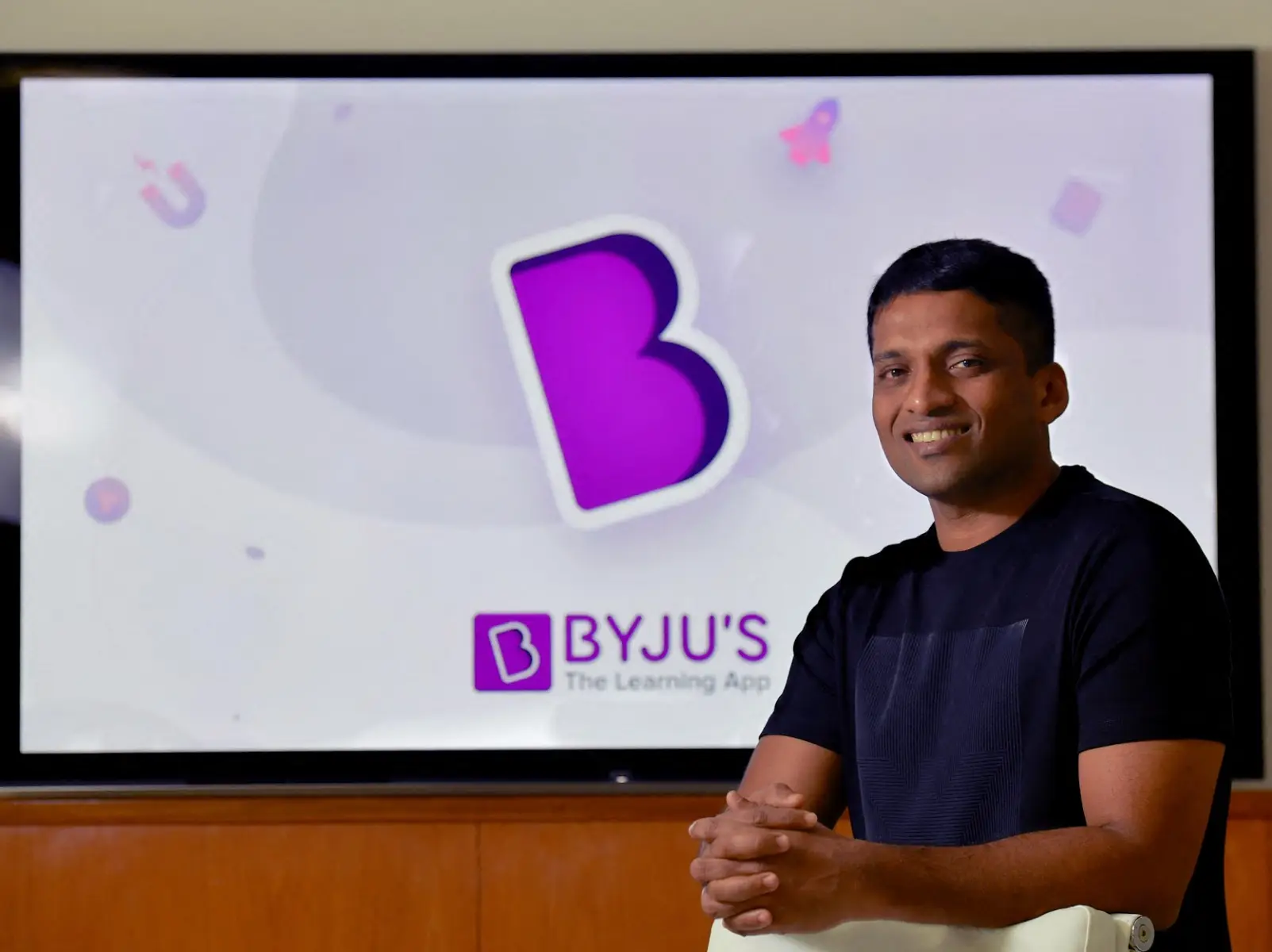
In this photo taken on January 10, 2019, Byju Raveendran, founder of Byju's, the Bangalore-based educational technology start-up, poses at the company's premises in Bangalore. Photograph: (AFP)
Byju Raveendran has been sentenced to six months in prison by a Singapore court over contempt charges tied to asset disclosure violations, adding to Byju's growing legal and financial troubles.
Byju Raveendran, the founder of the Edtech platform Byju's, was sentenced to six months in prison by a Singapore court on May 27. He was charged with contempt after he repeatedly violated multiple orders related to the disclosure and tracking of his assets since April 2024. He had been instructed to surrender himself to officials, pay costs of S$90,000 and provide documents proving his ownership of Beeaar Investco Pte, a corporate entity that held shares in a related company.
This adds to the growing list of troubles for Byju's, which is already facing a loan dispute with US lenders. A US bankruptcy court ordered Raveendran to pay $1.07 billio to lenders for failing to clear the air or cooperate on the discovery phase regarding missing "Alpha" funds. The court has overturned its earlier $1.07 billion default judgment against Byju Raveendran, ruling that damages were never determined. The platform's parent company is also facing an insolvency process, triggering liquidity crunches, mass layoffs and intense regulatory oversight.
Raveendran claimed key parties were close to a settlement before the Singapore Court issued an arrest warrant. He claimed that the Singapore court order had been pursued and reported in a way that creates a false impression about him because the key parties had already engaged in a settlement. The legal proceeding in Singapore was brought forward by Qatar Investment Authority (QIA), a prominent global investor that put in large funds during the peak years of Byju's growth. He added that it had been unfortunate that a contrary public opinion was being created based on the matter. He claimed that he was not actively contesting in several proceedings, and stakeholders decided not to actively pursue cases against each other. He alleged that QIA's decision to continue pressing the matter appeared to be an unnecessary pressure tactic at a sensitive stage in the settlement process.