Bangladesh PM calls out Pakistan's 'pre-planned massacre' under Op Searchlight: What happened on Mar 25, 1971

&imwidth=600&imheight=450&format=webp&quality=medium "Bangladesh PM calls out Pakistan's 'pre-planned massacre' under Op Searchlight: What happened on Mar 25, 1971")
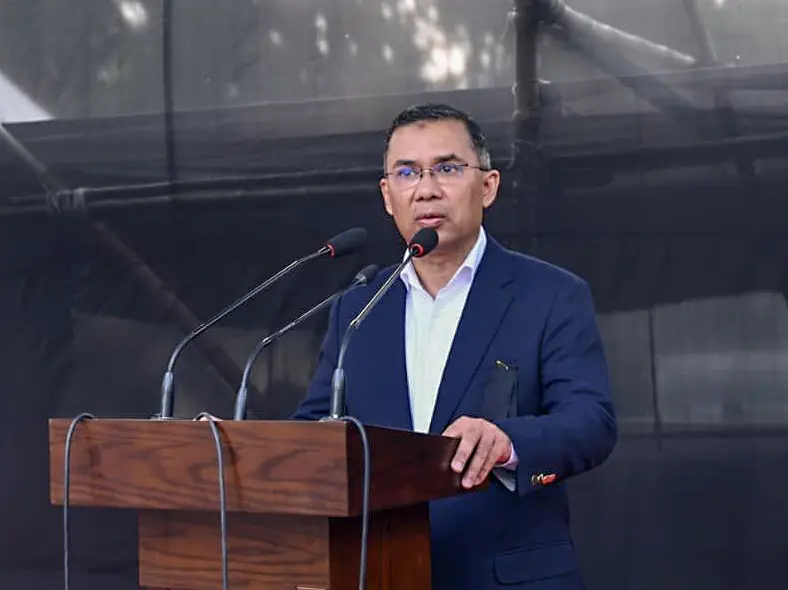
Prime Minister of Bangladesh, Tarique Rahman addressing media at an event in Dhaka Photograph: (ANI)
Bangladesh PM Tarique Rahman marked Genocide Day (Bangladesh), recalling atrocities during Operation Searchlight and urging citizens to uphold Liberation War ideals of justice, equality, and democracy.
Bangladesh Prime Minister Tarique Rahman, on Wednesday (Mar 25) extended his condolences on Genocide Day, which is observed in his country to commemorate the victims of March 25, 1971. On this night, the Pakistani military launched Operation Searchlight, a brutal crackdown intended to curb the Bengali nationalist movement in then-East Pakistan.Rahman recounted how Pakistan killed Bangladeshis under this operation. He termed March 25, 1971, one of the most disgraceful and brutal days.
In a lengthy post on X, he said, "March 25, 1971, is observed as Genocide Day. On the occasion of Genocide Day, I pay my deepest respect to all the martyrs. In the history of freedom-loving Bangladesh, 25 March 1971 remains one of the most disgraceful and brutal days. On that dark night, the Pakistani occupation forces carried out one of the most heinous genocides in history against the unarmed people of Bangladesh in the name of 'Operation Searchlight". "The genocide of 25 March was a pre-planned massacre. Why this organised killing spree could not be resisted remains a matter of historical research regarding the visible role of the political leadership of that time," he added. Rahman called for people to honour the sacrifices made by those who died.
Recalling the sequence of events, he said that Pakistani forces had indiscriminately opened fire on teachers, intellectuals and innocent civilians at locations including Dhaka University, Pilkhana and Rajarbāgh Police Lines, killing many people. He described the genocide of March 25 as a pre-planned massacre and noted that the failure to resist the organised killing spree remains a subject of historical research regarding the role of the political leadership at the time. He added that on the same night, the 8th East Bengal Regiment in Chattogram formally initiated armed resistance by declaring “We Revolt,” marking the beginning of the nine-month Liberation War. He called on citizens to work together to build a just, developed, prosperous, self-reliant and democratic Bangladesh.
Why is the statement important?
The statement is significant as it comes amid a shifting political landscape in Bangladesh following the 2024 uprising that ousted Sheikh Hasina and the rise of Jamaat. The post calling out Pakistan's act reaffirms that the foundation of the Bangladeshi state is tied to the 1971 Liberation War. Under Muhammad Yunus’s interim leadership, Bangladesh has moved to "repair ties" with Pakistan, including the first Foreign Office Consultations in 15 years. Yunus in his Victory Day speech made no mention of Sheikh Mujibur Rahman, the founding leader. Moreover, the "July Declaration" by Yunus pitched to give constitutional recognition to the 2024 student uprising as a "second independence," which critics argue attempts to eclipse the historical weight of the 1971 war.

