Australia weather bureau sees no sign of cooler weather or rain to quell bushfires

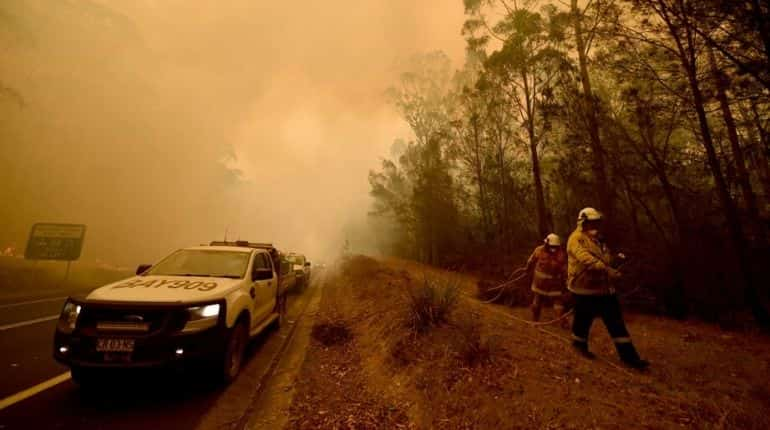
Australian bushfires
Australia'sweatheragencyseesnosignofcoolerweatherorsignificantrainfall in the next few months, an unwelcome forecast for authorities who have warned that only a large downpour will haltbushfiressweeping across the country.
FollowingAustralia's hottest and driest year on record in 2019, theBureauof Meteorology said on Thursday temperatures were likely to remain higher than average over the next few months.
While there was somerainfall coming from the north it would not be enough to douse thebushfiresraging in the country's southeast, thebureausaid.
"While therainfall will be welcome, we’re stopping short of saying that it’s going to be drought-breaking or really relieving the conditions we’ve seen," theBureauof Meteorology’s Manager of Climate Monitoring, Karl Braganza, told reporters at a briefing on its annual climate statement.
Australiahas been battling largebushfiresfor months. A three-year drought that has left the countryside tinder-dry, which experts have linked to climate change, has helped fuel the crisis.
More than 10.3 million hectares (25.5 million acres) of land an area the size of South Korea has been razed since September, killing 26 people and killing or injuring an estimated one billion animals, including livestock.
More than 100 fires remain alight and authorities have said the largest of the blazes will only be doused bysignificantrainfall.
Thebureausaid climate change and natural drivers, including warmer than normal waters in the Indian Ocean off Africa, had made 2019Australia's hottest and driest year on record, with the highest ever forest fire danger rating.
The country had only 6 per centof its typical annualrainfall last year, while daytime temperatures across were more than 2 degrees Celsius (3.6 degrees Fahrenheit) above normal.
"These are large departures that we saw in 2019, both in terms of how different they were to the average temperatures andrainfall that we see, but also compared to previous records as well," Braganza said.
He said these were part of longer term trends in temperature and fireweatherthat thebureauhas observed.Rainfall has been tracked since 1900 and temperatures since 1910.
"Australia's getting warmer, the fire season's getting longer and the severity of the fireweatherduring that season is getting more frequent and severe," Braganza said.
"When we look at the projections that we do for climate change, certainlyAustraliashould be preparing for those trends to continue."