All's well that ends well? US and China have reached a 'truce'

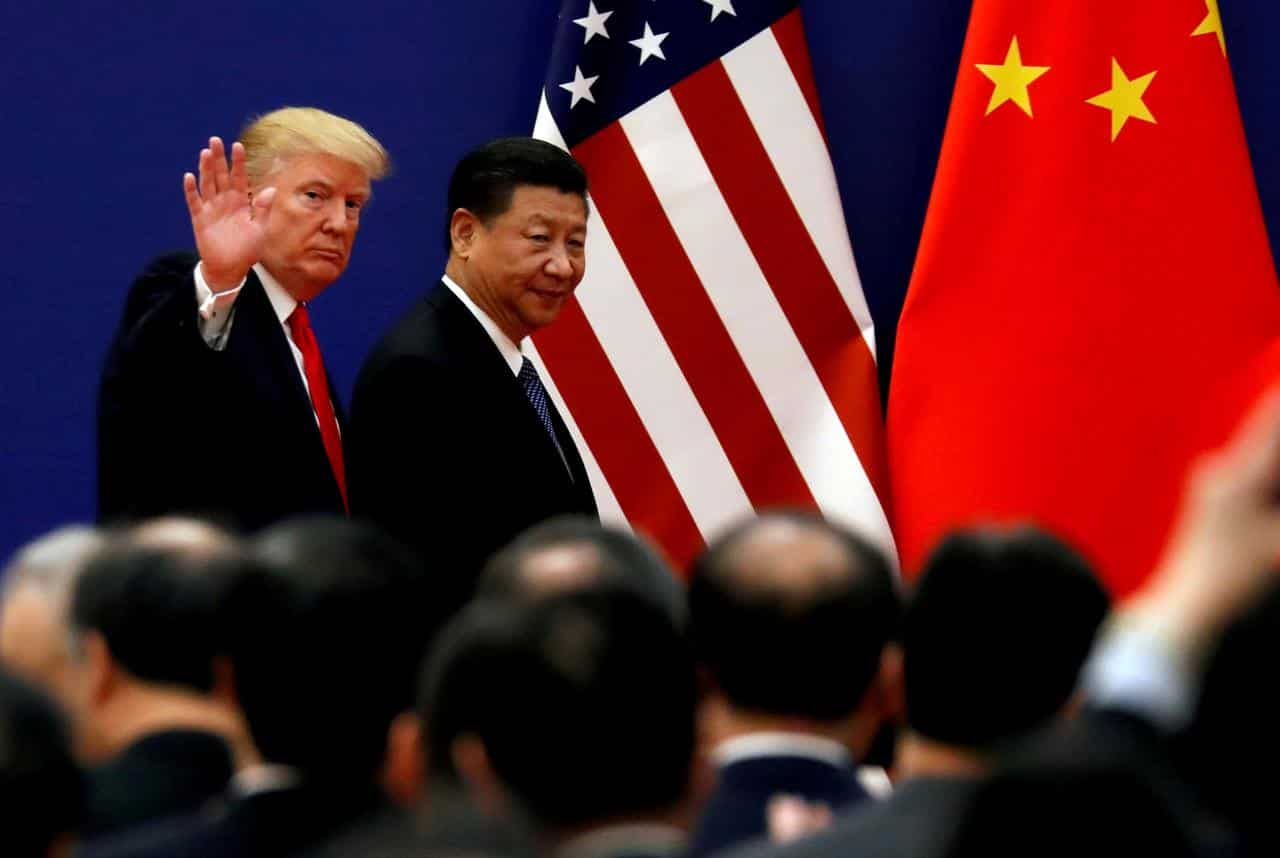
Coronavirus is no longer the "Wuhan virus" for the United States, as the country has reached a truce with China. It is being said that the superpowers saw a tactical interest in making peace with each other in the vitriolic feud over the COVID-19 pandemic that has been ravaging the world.
US President Donald Trump dropped the provocative term "Chinese virus" and did not, for the first time, criticiseBeijing's response on March 26. It is said this happened after a phone call with his Chinese counterpart Xi Jinping.
Even US Secretary of State Mike Pompeo has been talking of cooperation.
"We know that this is a global pandemic, and this is the time for every country to work together to resolve that," Pompeo told reporters Tuesday when asked about China.
Talking of their feud, Trump said the coronavirus could very effectively be also called the Chinese virus because it broke out in China's Wuhan city.
Beijing then infuriated the United States last month when a foreign ministry spokesman spread a conspiracy theory that US troops brought the virus to Wuhan.
China's ambassador to Washington, however, struck a highly different tone in an op-ed in The New York Times in which he spoke of his affection for Americans and promised China would do "whatever it can to support the United States."
China has been, across the world, held responsible for passing on the virus to the world. But whatever the faults in China's response, many observers saw Trump's blaming of Beijing as a political ploy as he faces criticism for not acting sooner to stop COVID-19, which has killed more than 12,000 people in the United States.
Political reasons aside, with medical supplies in dangerously short supply, Trump also needs China, which produces half of the imported masks in the United States.
To this end, an expert opined: "Washington certainly does not want to alienate Beijing to the point that it bans the sale of medical equipment to the United States," doubting if the newfound tone would improve the rest of the relationship, which was already tense before the pandemic.
From China's standpoint, when Beijing is seeking to cast itself around the world as a pandemic benefactor, the friction with the US will hardly reap any benefits. Its top priority, at this moment, would be to revive global demand for its exports.
China also sees a "historic strategic opportunity" to expand its power as Trump has weakened US alliances, experts say.
All's well that ends well? Or not!?