10,000 soldiers in South Africa flood relief effort

south africa
A week after deadly storms started lashingSouthAfrica's east coast, the army said Monday10,000troops were on the ground to help restore key services and aid the search for 63 people who remain missing.
The death toll stands at 443, but with each passing day, hopes diminish of finding more survivors.
"The tragedy currently unfolding in our province is one of the worst natural disasters in the recorded history of our country," KwaZulu-Natal provincial government said.
Funerals were being held across the city of Durban, which bore the brunt of the storms, as grim tales of the catastrophe continued to emerge.
One woman was found dead with her three grandchildren after their car was washed away, while rescuers reported finding bodies washed into dams, local media reported.
Swathes of eThekwini, the municipality that includes Durban, remain without power or water, and the province said it could take time before services are restored.
"There are areas that have suffered extensive damage which will take longer to repair," it said in a statement.
Many streets remain slathered with mud, although the main roads have been cleared enough to allow water tankers to the hardest-hit areas.
But eThekwini deputy mayor Philani Mavundla said in a television interview that 80 percent of the city's water works were down, making it difficult to even fill the tankers.
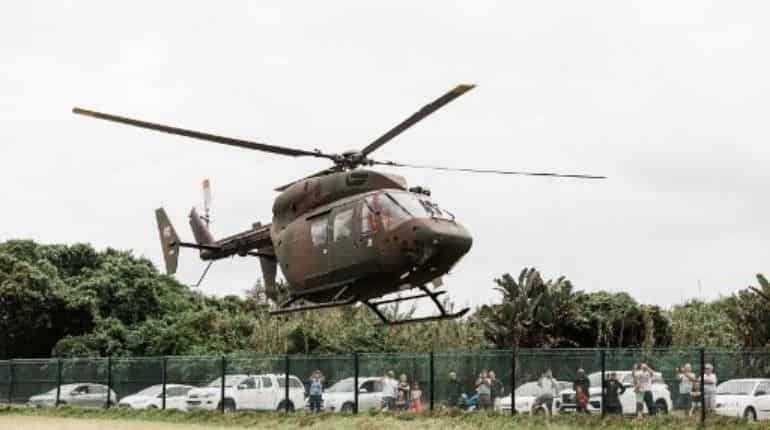
Some of the troops include plumbers and electricians who joined the mammoth task of trying to get life back to normal.
Watch |Flash floods wreak havoc in South Africa, govt announces $68 mn of funding
Soldiersare also providing field accommodation and water purification systems, the army said.
The deadliest storm on record dumped apocalyptic levels of rain on Durban and surrounding areas of KwaZulu-Natal.
Some 40,000people were left homeless and more than 550 schools and nearly 60 health care facilities have been damaged, according to government tallies.
SouthAfricais winding down a long weekend for the Easter holidays. Many children are due to return to school on Tuesday, but authorities warned that 271,000students may not be able to attend due to damaged schools.
The government has announced an immediate one billion rand ($68 million) in emergencyrelief.
Nearly three dozen search teams were deployed across the region Monday, said coordinator Dave Steyn.
"The rescue operations have stopped. It's now more of a search and recovery," he toldAFP.
Shock
Blue skies finally reappeared Monday, giving hope that the rains have at last subsided.
But the normally azure waters at Durban's famed beaches have been turned a muddy brown by the mountains of earth and debris washed to the shore.
The intensity of the floods tookSouthAfrica, the most economically advanced African country, by surprise.
While the southeastern region has suffered some flooding before, the devastationhas never been so severe.SouthAfricans have previously watched similar tragedies hit neighbouring countries such as cyclone-prone Mozambique.
The country is still struggling to recover from the Covid pandemic and deadly riots last year that killed more than 350 people, mostly in the nowflood-struck southeastern region.