'I was so close': Afghan woman moved to Iran to pursue degree in engineering, deported before final submission

&imwidth=600&imheight=450&format=webp&quality=medium "'I was so close': Afghan woman moved to Iran to pursue degree in engineering, deported before final submission")
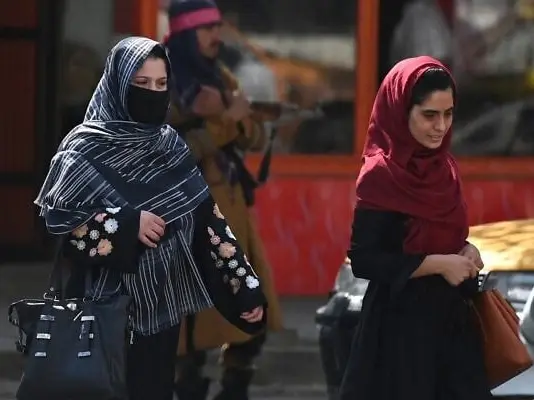
'I was this close': Afghan woman moved to Iran to pursue an engineering degree, deported before final submission Photograph: (Credit: AFP)
Fighting all odds, an Afghan woman moved to Iran to pursue a degree in engineering. And in an unfortunate twist of events, she was deported from the country in July, even before she could complete her degree.
Women in Afghanistan have been bearing the brunt of losing their right to education ever since the Taliban took over in 2021. In hope of a new life, many fled to Iran to seek refuge and fulfil their aspirations. On such Afghan woman is Habiba. She moved to Iran to pursue a master's degree in engineering in the neighbouring country. And in an unfortunate twist of events, she was deported from the country in July, even before she could complete her degree. “I was so close,” she recalled.
While narrating how events unfolded, the 31-year-old told news agency Reuters that she was returned home with her laptop and her documents. Her dreams of securing a future came crumbling down after Iran began deporting Afghans amid the conflict with Israel.
She said she was really close to completing her degree, and she had hoped that would have helped her navigate her future, which many girls and women in her homeland are still dreaming of. Girls have been restricted from studying beyond class six under the new Taliban regime. The Taliban had once shown a sliver of hope before they overturned it. Yet again, leaving many women in despair.
Education for girls in Afghanistan — hope in despair
Former UN High Commissioner Michelle Bachelet had issued a statement; she said, “The denial of education violates the human rights of women and girls – beyond their equal right to education, it leaves them more exposed to violence, poverty and exploitation.”
Since 2021, Afghanistan has been no stranger to such bans, all of which are cited as not acceptable under Islamic law. From women's education to their free movement, a lot is at stake. Women's voices, their rights have been silenced like never before.

