World Alzheimer's Day 2023: What is pseudo-dementia and how is it different from dementia?

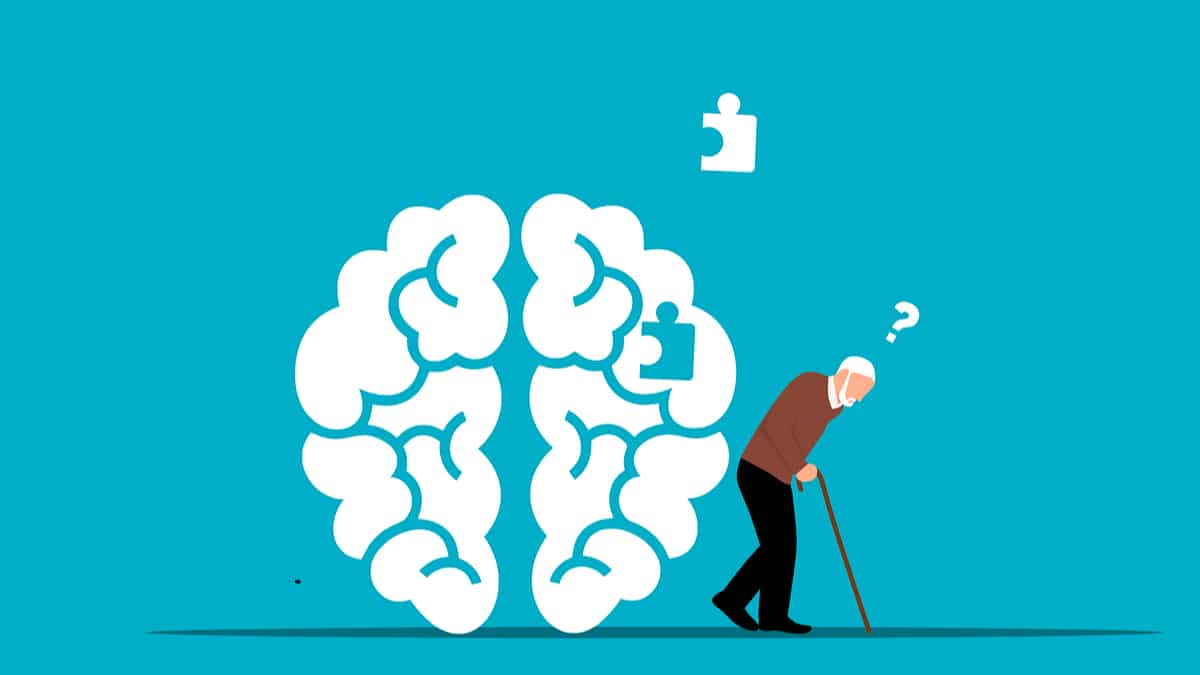
Pseudodementia
Every year, we celebrate World Alzheimer's Day on September 21 to create awareness about Alzheimer's disease, also called senile dementia. However, there are other forms of neuro-degenerative dementia, which are often misdiagnosed as Alzheimer's. Pseudo-dementia is one of them.
Pseudo-dementia is a mental condition where a person faces a loss of cognitive abilities.
It might appear similar to other forms of neuro-degenerative dementia. However, it's a result of another psychiatric condition, often depression.
Psuedo-dementia mimics other forms of dementia without sharing the same physical alterations in brain structure and function.
Some experts believe it can be a sign that other forms of dementia will develop later. However, effective treatment can reverse the underlying psychiatric condition.
Here's everything you need to know about pseudo-dementia.
What are the symptoms of pseudo-dementia?
The symptoms of dementia and pseudo-dementia are almost similar.
According to Healthline, people with pseudo-dementia have problems with memory, judgement, decision-making, and cognitive function.
There are no laboratory tests to identify pseudo-dementia.
Experts primarily diagnose it through observation of demeanour or memory changes and neurocognitive testing.
Here's a list of people at a higher risk of pseudo-dementia:
People with a history of depression or other psychiatric disorders
People over the age of 65
People assigned female at birth
People who have alcohol or substance use disorders
What causes pseudo-dementia?
Pseudo-dementia typically conceals a mental disorder that has not been identified or treated.
The mental disorders most frequently linked to pseudodementia include depression and major depressive disorder.
Other less common mental health disorders associated with pseudo-dementia include psychosis, mania and conversion disorder.
How is pseudo-dementia different from dementia?
Although dementia and pseudo-dementia look similar, they are different conditions. While changes in brain structure cause dementia, pseudo-dementia develops when an underlying mental health condition remains untreated. People with dementia (Alzheimer's disease) have a significant loss in brain volume, usually a 10 to 50 per cent loss in the hippocampus.
Studies suggest that people with Alzheimer's have reductions in both the left and right hippocampus. Meanwhile, people diagnosed with pseudo-dementia only showed a slight decrease in the left hippocampus size.
Moreover, dementia begins with short-term memory loss, while pseudo-dementia might impact short-term and long-term memory.
Dementia and pseudo-dementia affect the behaviour of a person differently. While people with forms of dementia often try to suppress their setbacks in memory and cognitive function, people with pseudo-dementia highlight their symptoms. Furthermore, pseudo-dementia is a reversible psychiatric condition which can be treated effectively. However, dementia treatment primarily focuses on managing the symptoms.
How is pseudo-dementia treated?
For the majority of those who acquire pseudo-dementia, treatment with antidepressants and other psychiatric drugs that helped to treat any associated disorders has corrected the cognitive abnormalities.
(With inputs from agencies)
WATCH WION LIVE HERE