UK museum rebrands Roman emperor as transgender person with he/him pronouns

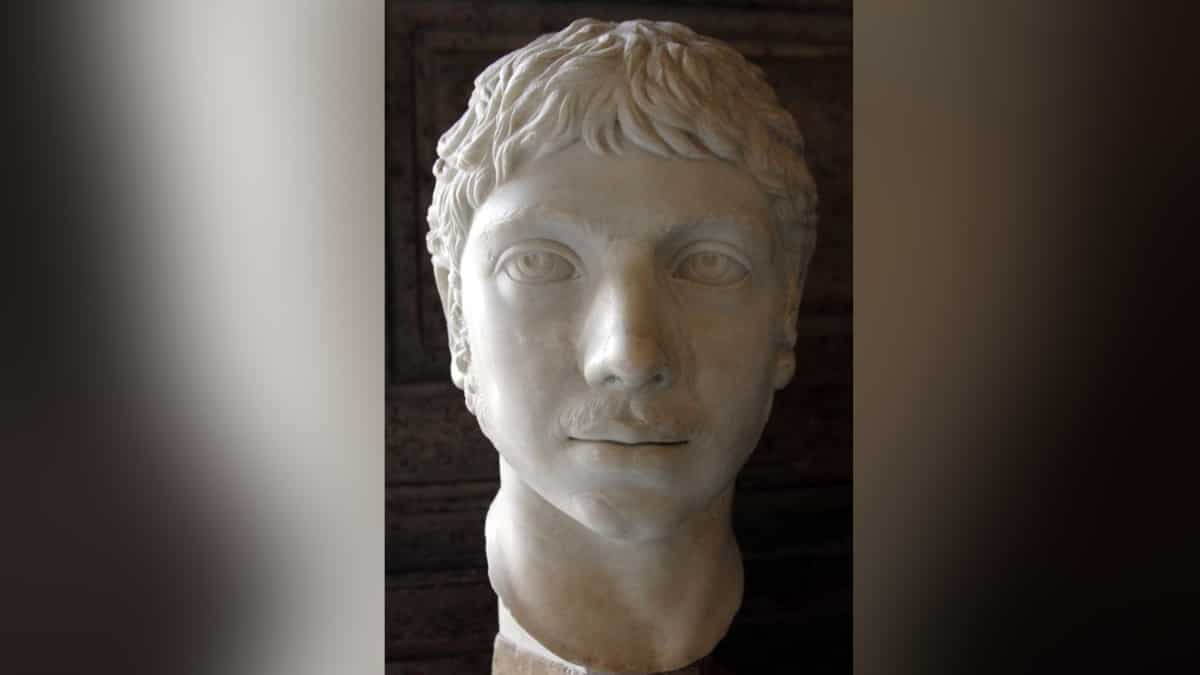
A bust of Roman emperor Elagabalus
A museum in the United Kingdom has recently rebranded Roman emperor Elagabalus as a transgender person. The North Hertfordshire Museum in Hitchens has cited classical texts, including purported remarks by the emperor himself such as "call me not Lord, for I am a Lady".
The above remark was reportedly recorded by Roman historian Cassius Dio.
The museum has now opted to use she/her pronouns when referring to Elagabalus, who reigned from 218 to 222 AD.
Sensitisation towards LGBTQ+ community: What does it mean?
Keith Hoskins, the executive member for Enterprise and Arts at North Herts Council, which is involved in running the museum, said: "We try to be sensitive to identifying pronouns for people in the past, as we are for people in the present, it is only polite and respectful."
But experts are divided.
Mary Beard, author of "Emperor of Rome: Ruling the Ancient Roman World," told TIME magazine: “This is as tricky [an] area in the ancient world as it is now. What is said by Romans about Elagabalus powerfully reminds us that debates about the boundaries between male and female go back thousands of years (we are not the first generation to have those debates),”
Also watch |WION Dispatch: Transgender tycoon buys Miss Universe contest
The museum's LGBTQ+ collection features a coin of Elagabalus, adding another dimension to their decision.
Elagabalus, known for marrying both men and women, presents a historical enigma regarding pronoun usage, with conflicting interpretations of Dio's writings.
Some experts argue that Dio's references to Elagabalus wearing makeup and wigs could have been attempts to undermine the emperor's rule rather than him being a transgender person.
But the museum has underscored Elagabalus's explicit preference for she/her pronouns.
Besides, experts also urge caution to add that while ancient debates on gender boundaries existed, modern categories should not be indiscriminately applied to the complexities of the ancient world.
(With inputs from agencies)