Time-travelling treasure: 156-year-old shipwreck emerges from Lake Michigan, pristine and intact

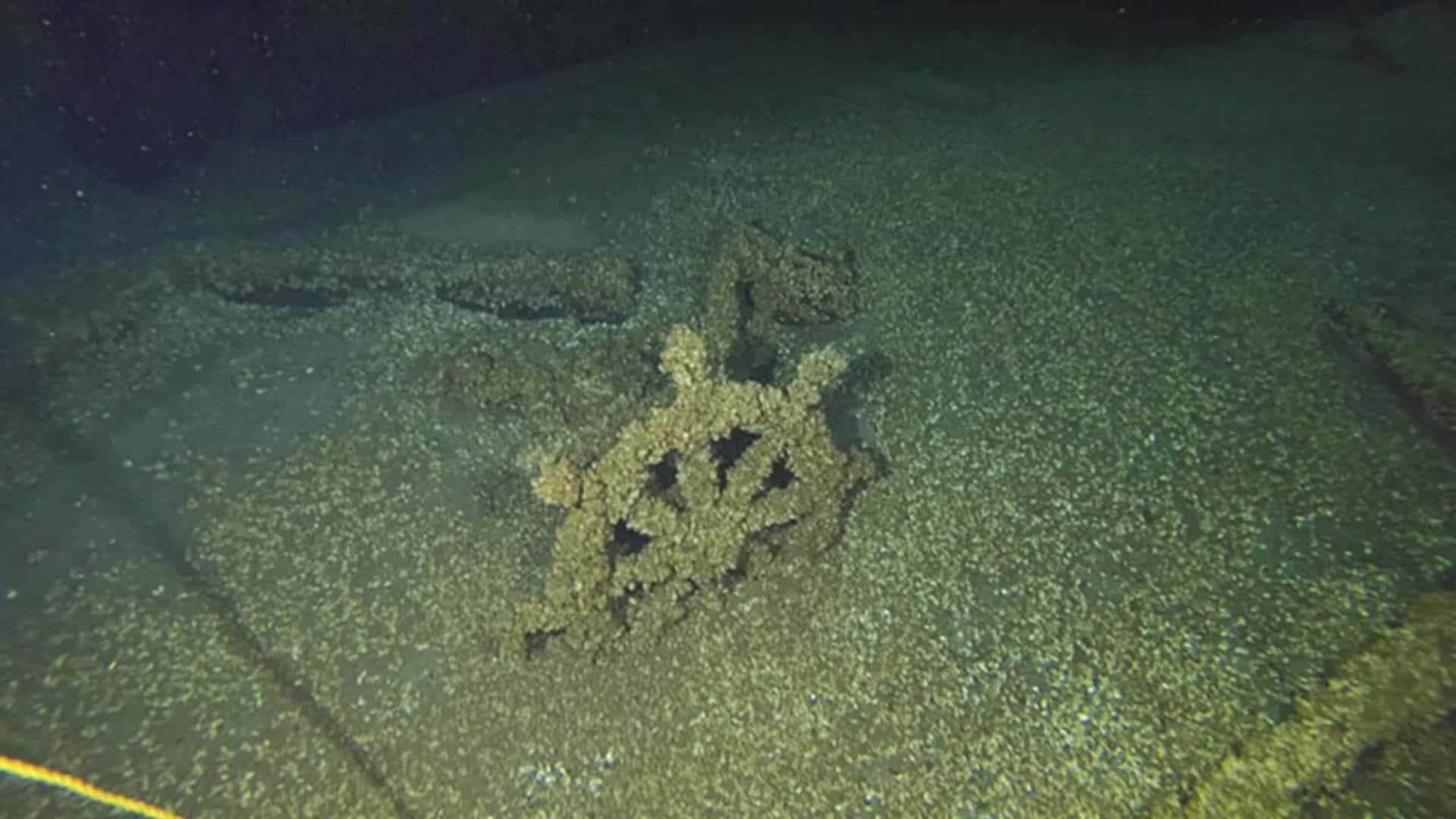
Trinidad
A cargo ship that had vanished beneath the waters of Lake Michigan over a century ago has been located, remarkably intact. This remarkable find was made by maritime historians Brendon Baillod and Bob Jaeck, who stumbled upon the sunken vessel named Trinidad, lying approximately 270 feet below the lake's surface, just a few miles off the coast of Wisconsin, reported USA Today. The remarkable state of preservation of Trinidad sets it apart from other shipwrecks discovered in the Great Lakes, making it a significant find.
Trinidad's intriguing artefacts
Trinidad still harbours an array of intriguing artefacts within its watery grave. The ship's deck houses intact dishes, anchors, a wheel, and even a bell, along with various other deck equipment. Perhaps most notably, the ship's rigging, typically composed of rope prone to deterioration, was constructed using wire, offering marine archaeologists a rare opportunity to directly study how a 19th-century cargo ship's rigging was configured.
A time capsule of history
Brendon Baillod, President of the Wisconsin Underwater Archaeological Association, who spoke to USA Today, aptly described the Trinidad as "one of the most intact shipwrecks ever found in Wisconsin waters." Although not a renowned vessel, its extraordinary state of preservation renders it a significant historical artefact, akin to a time capsule preserving the maritime history of the era.
The hunt for Trinidad
Brendon Baillod embarked on a meticulous search for Trinidad's resting place, relying on historical documents to approximate its location within a 25-square-mile grid, roughly 10 miles from the shoreline. With this critical information in hand, Baillod and Jaeck employed sonar technology in their quest to locate the sunken ship.
Also watch |China shoots water cannon on a Filipino supply ship in South China Sea
A stunning discovery
Their exhaustive search paid off when they chanced upon an initial image of the wreck. Initially resembling little more than a faint smudge, they nearly overlooked this historic find. However, a second pass at a slower speed revealed the shipwreck in greater detail, almost precisely where historical records indicated it had sunk. The moment of discovery left them stunned by the extraordinary preservation of Trinidad.
Trinidad, a 140-foot-long schooner, was constructed in 1867 by William Keefe in Grand Island, New York. The vessel primarily served the purpose of transporting grain, and shuttling coal from Oswego, New York, through the Great Lakes to ports in Milwaukee and Chicago, before returning to New York laden with Wisconsin grain.
Despite Trinidad's profitability, its owners maintained it inadequately, leading to its gradual decay and hull leaks within a decade. By 1879, it was deemed unfit for grain transportation.
In May 1880, while carrying coal, Trinidad struck a reef in Lake Superior, tearing out ten feet from her bottom. This damage was hastily repaired. Nevertheless, the ship embarked on one final journey, transporting coal to Milwaukee in May 1881, before its planned winter retirement in Port Huron, Michigan.
During the voyage, Trinidad encountered excessive leakage, despite the installation of additional pumps. At 4:45 amon May 11, 1881, the ship suddenly lurched and rapidly descended into Lake Michigan's depths. The crew had little time to salvage their belongings or even the ship's mascot, a Newfoundland dog, which tragically perished in the ship's swift descent.
Theories surrounding the sinking
While Captain John Higgins initially attributed the sinking to hull damage from ice in the Straits of Mackinac several days prior, Baillod's research suggests that Trinidad's lack of maintenance played a pivotal role. Reviewing the vessel's history, Baillod noted that it had received minimal upkeep and essentially met its demise due to neglect.
WATCH WION LIVE HERE: