Three codebreakers find, decipher lost letters of the Queen of Scots: Report

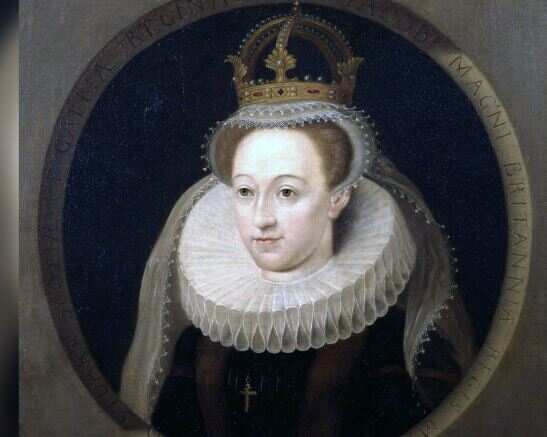
Codebreakers found 57 letters of Mary containing about 50,000 never-before-seen words.
A team of three codebreakers have found and deciphered the long-lost secret letters of 16th-century monarch Mary, the Queen of Scots. The codebreakers belonged to the DECRYPT project, an international, cross-disciplinary team scouring the world's archives to find coded historical documents to decipher, a report by news agency AFP on Wednesday (February 8) said. The codebreakers were trawling through the digitised archive of France's national library when they stumbled over enciphered documents labelled as being from Italy in the first half of the 16th century. They found 57 letters of Mary containing about 50,000 never-before-seen words.
"If someone wanted to look for Mary Stuart material in the BnF (France's national library), that's the last place they would go," French computer scientist and cryptographer George Lasry told AFP. Lasry said deciphering the code "was like peeling an onion" for the team which included German music professor Norbert Biermann and Japanese physicist Satoshi Tomokiyo.
Mary Stuart, a Catholic, had written these letters from 1578 to 1584 while she was jailed in England because of the perceived threat she posed to Queen Elizabeth I, her Protestant cousin. In 1587, Mary was beheaded after she was found guilty of plotting to assassinate Queen Elizabeth I.
The team of codebreakers discovered that the text (of the letters) was not in Italian, but in French. The text also used feminine forms, indicating a woman. Phrases such as "my liberty" and "my son" suggested it was an imprisoned mother.
Then came the word "Walsingham"- which meant Francis Walsingham- who was Queen Elizabeth I's principal secretary and spymaster. George Lasry told AFP that some historians believed it was Walsingham who later entrapped Mary in 1586 into supporting the foiled plot to assassinate Elizabeth I.
Lasry added that out of the 57 letters found, eight were already in Britain's archives as Walsingham had a spy in the French embassy from mid-1583.
AFP reported that the majority of Mary's letters were addressed to the French ambassador to England Michel de Castelnau Mauvissiere. Lasry further told the news agency that the Queen of Scots was "too smart" to mention any assassination plot in the unearthed letters.
Instead, these letters showed Mary diplomatically pleading her case, complaining of illness and expressing distress when her son, King James VI of Scotland, was abducted.
Meanwhile, historians praised the code-breaking and historical research of the team. In a statement, British historian John Guy who wrote a biography on Mary Stuart, said, "This discovery is a literary and historical sensation. Fabulous! This is the most important new find on Mary, Queen of Scots for 100 years."
Another historian, Steven Reid from the University of Glasgow said this was the largest discovery of new Marian evidence in the modern era. Reid added the discovery would likely alter existing biographies of Mary's life, and the cypher could help produce more accurate versions of her other coded letters.
(With inputs from agencies)
WATCH WION LIVE HERE
You can now write for wionews.com and be a part of the community. Share your stories and opinions with us here.