Study of over 1,000 rattlesnakes throws shocking results as human-linked fears are confirmed

&imwidth=600&imheight=450&format=webp&quality=medium "Study of over 1,000 rattlesnakes throws shocking results as human-linked fears are confirmed")
Rattlesnakes population at threat because of humans.
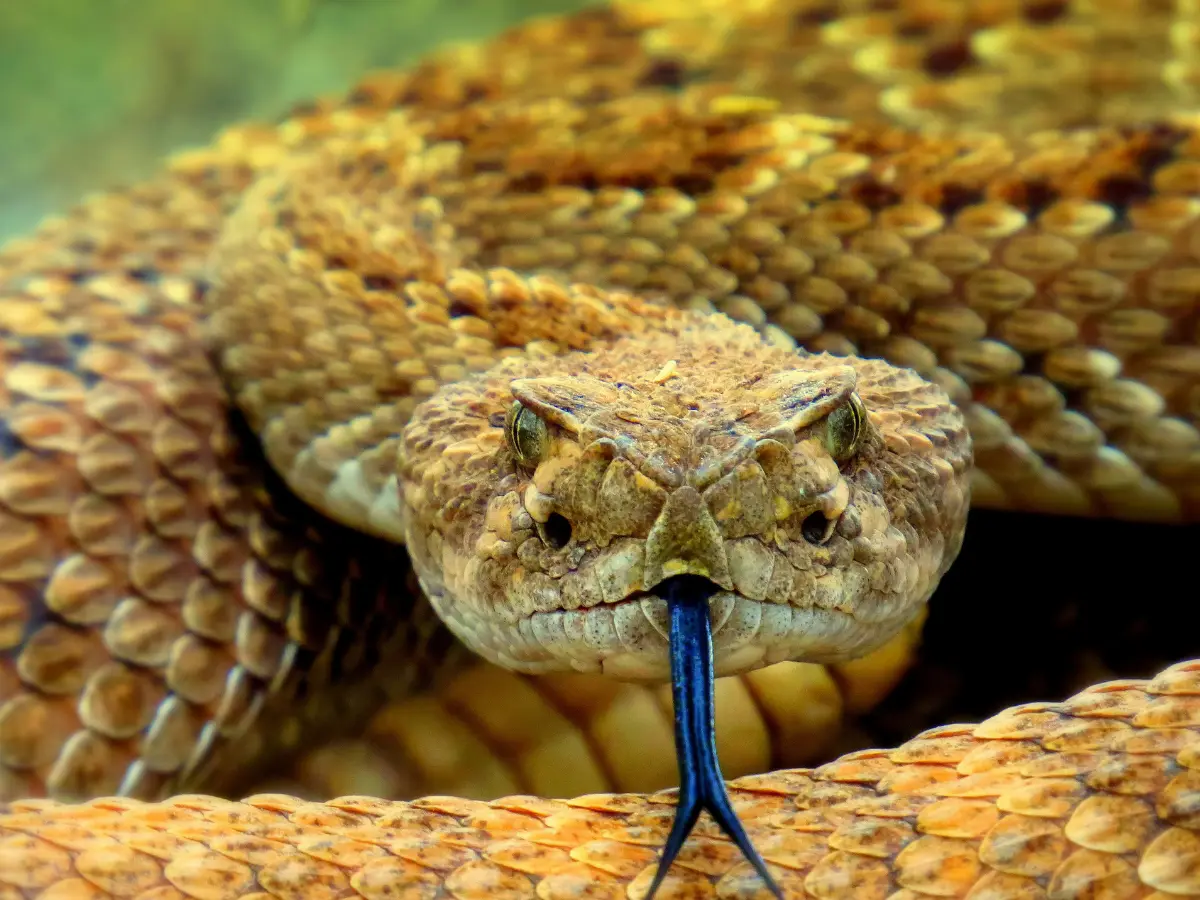
Massasauga rattlesnakes in Michigan were studied over a period of 15 years, and scientists were shocked by the results. The snakes are doing something that is hindering their growth and all because of humans
A study on rattlesnakes has revealed that urbanisation and human activity are causing these reptiles to inbreed, threatening their existence. Scientists collected over 1,000 eastern massasauga rattlesnakes in Michigan over a period of 15 years. Analyses showed that the snakes were inbreeding, which was leading to problems in their reproduction. Experts say that rattlesnakes only leave their habitat to look for food or a mate. They are born in wetlands and always return to their original place. However, the findings published in the journal Proceedings of the National Academy of Science have found that human presence is not letting them reach other places to mate. This is causing them to mate within the group, leading to several issues. Also Read: Burmese python swallows a whole deer shattering beliefs about its last limits
Discover Wildlife reported that the rattlesnakes are not travelling between habitats. Human-built infrastructure, like farmlands and roads, has cut through their ranges, and has barriers in their travel. Sarah Fitzpatrick, Michigan State University (MSU) professor and one of the senior authors on the study, said, “They’re very vulnerable to even minor disturbances to their habitat. “Even a single road can isolate populations.” To understand how the isolation was affecting the rattlesnakes, the MSU researchers studied 1,056 individuals collected from two counties in south-west Michigan - Cass and Barry. Also Read: Lethal nip: Child bites cobra snake, killing the reptile instantly in Bihar's Bettiah village
They extracted the DNA from their blood samples to see how closely any two rattlesnakes were related. They found that several of them were the result of inbreeding, and most such individuals were 13 per cent less likely to give birth to offspring that survived. Such snakes also had a nearly 12 per cent lower annual survival rate compared to healthy, less inbred snakes. “The fact that we’re detecting problems from inbreeding in these populations is concerning, given that many other populations throughout the Midwest are much smaller and even more fragmented," she said.
Meaghan Clark, the study's lead author and a former MSU graduate student, says this is a grim scenario for the rattlesnakes, who are already a threatened species. The reptiles are unable to survive because of the inbreeding, and also face reproductive issues. "Inbreeding depression" has been on biologists' list, and they have long suspected that it takes place in the wild, but proving it in the elusive rattlesnakes is tough.

