
&imwidth=800&imheight=600&format=webp&quality=medium "Scientists identify deadly whale virus linked to mass strandings from just their breath")
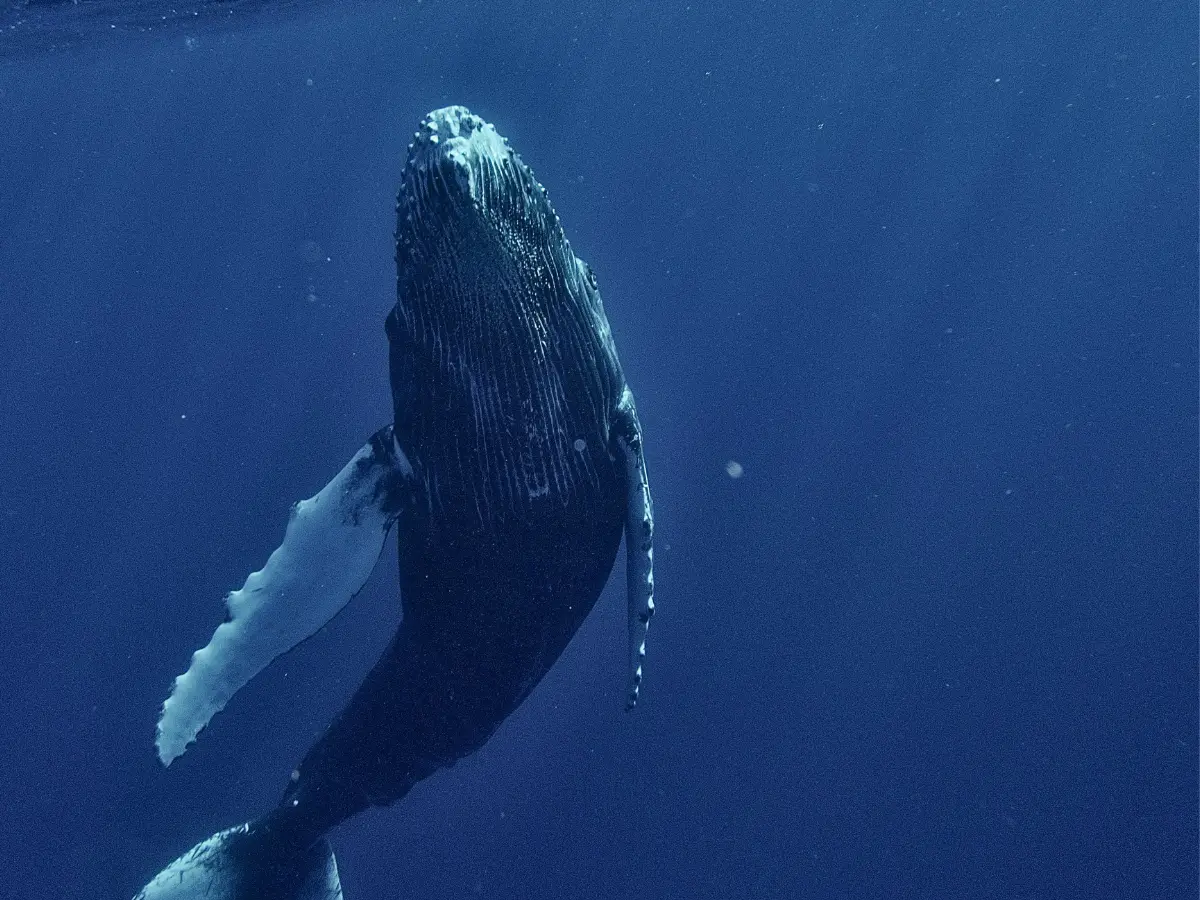
Scientists studying whales, wild humpback, sperm and fin whales in northern Norway, have registered a double win. They have identified a deadly whale virus, known as cetacean morbillivirus, circulating above the Arctic Circle, by just studying their exhaled breath, also known as "blow". This is a breakthrough in non-invasive health monitoring methods for these creatures in Arctic regions. This was done using drones, and scientists say such methods can help detect the virus early, as it has been linked to several mass strandings of whales and dolphins worldwide. King's College London and The Royal (Dick) School of Veterinary Studies in the UK were part of the study, and they published their findings in BMC Veterinary Research.
Consumer drones equipped with sterile Petri dishes hovered over whale blowholes to capture respiratory droplets between 2016 and 2025. The samples were taken from humpback, sperm, and fin whales across the Northeast Atlantic, including northern Norway, Iceland, and Cape Verde. Along with blow samples, skin biopsies, and an organ sample were screened for infectious agents in the lab. "Drone blow sampling is a game-changer. It allows us to monitor pathogens in live whales without stress or harm, providing critical insights into diseases in rapidly changing Arctic ecosystems," co-author of the study, Professor Terry Dawson of the Department of Geography, King's College London, said.
Virus is linked to many mass mortality events

They found cetacean morbillivirus in humpback whale groups in northern Norway, a sperm whale, and a stranded pilot whale. A strain of this virus was first identified in dolphins. The highly pathogenic virus infecting whales, dolphins and porpoises, researchers said. Since its discovery in 1987, the virus has triggered multiple mass mortality events in cetacean populations. It causes respiratory issues in the animals, along with neurological and immune damage.
Scientists are worried that the virus can spread during feeding interactions in winter when humans and birds come in contact with the whales. They also found herpesviruses in the whales, but no traces of avian influenza virus or the bacteria Brucella were detected. Helena Costa, lead author at Nord University, said, "Going forward, the priority is to continue using these methods for long-term surveillance."

