One-in-50-million: 'Extraordinarily rare' split-coloured lobster found by fishermen: What is special about it?

&imwidth=600&imheight=450&format=webp&quality=medium "One-in-50-million: 'Extraordinarily rare' split-coloured lobster found by fishermen: What is special about it?")
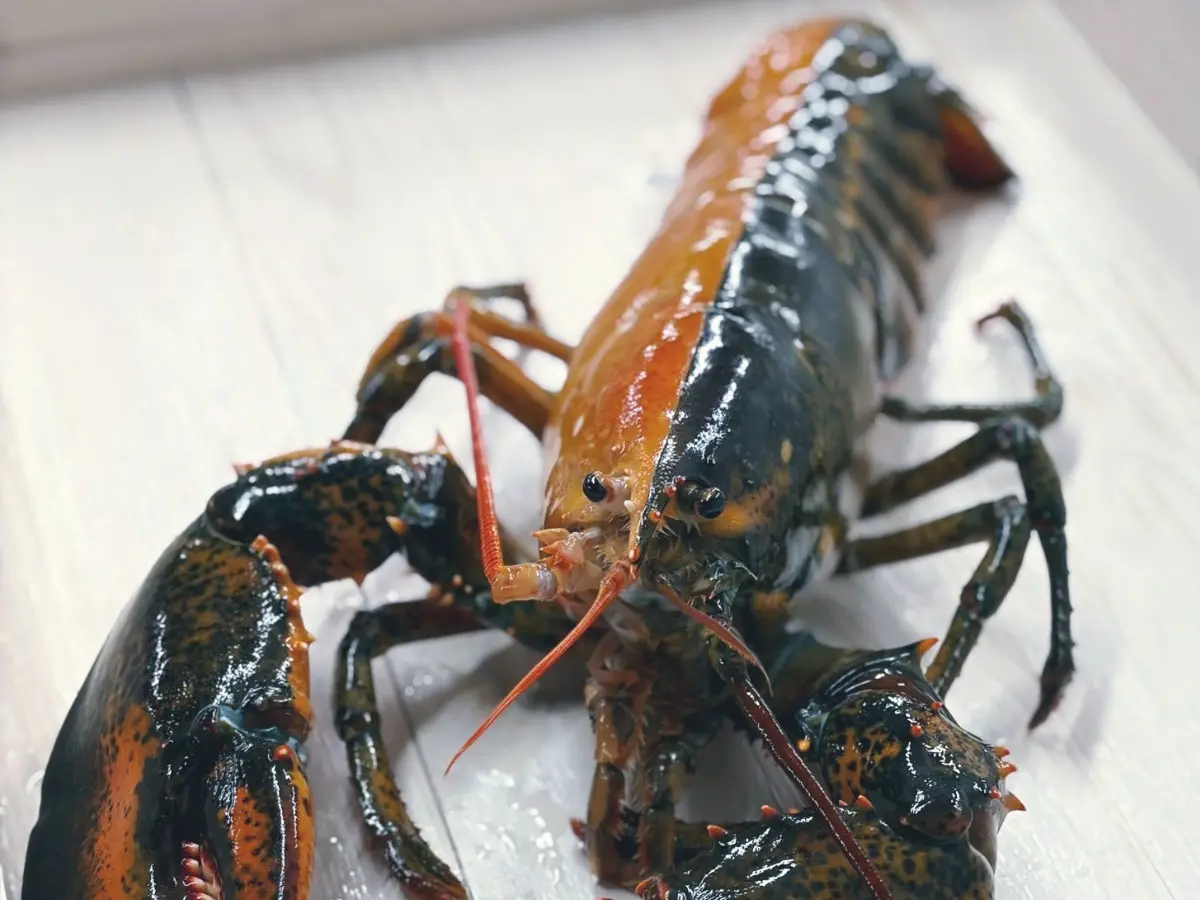
Rare split-colored lobster Photograph: (Wellfleet Shellfish Company/Facebook)
A rare split-colored lobster was caught off Cape Cod by Wellfleet Shellfish Company. Donated to Woods Hole Science Aquarium, the unique crustacean will be studied for genetic traits and displayed to the public.
A rare, split-colored lobster has been discovered off the coast of Cape Cod, stunning a local fishing crew and marine experts alike. A fishing crew aboard the vessel Timothy Michael, operated by Wellfleet Shellfish Company, hauled in the unusual crustacean last Thursday. The company later shared images of the catch on social media, showing a lobster cleanly divided into two distinct colors—brown on one side and orange on the other.
The striking appearance has drawn comparisons to dual face due to its perfectly split coloration. “Extraordinarily rare,” the company said adding, "Split lobsters like this are extraordinarily rare,” Wellfleet Shellfish wrote in its post. Speaking to Popular Science, Chief Operating Officer Dan Brandt said that the company felt a responsibility to preserve the animal. “When something that rare comes across our docks, we see it as part of our role to share it with the broader community—Woods Hole Science Aquarium was the perfect fit for this lucky lobster,” Brandt said.
Also Read: Pentagon was on a deadline. It had to use or lose $93bn. So it bought lobsters, crabs and a lot more
What we know about the science behind the phenomenon
Experts say the lobster’s unusual coloration may stem from complex biological conditions such as genetic mosaicism or gynandromorphism, a rare condition where an organism exhibits both male and female characteristics. Other pigment irregularities during development can also produce such effects, according to local reports.
Rather than ending up on a dinner plate, the lobster has been donated to the Woods Hole Science Aquarium, where it will be studied and eventually displayed to the public after renovations conclude in 2027. Aquarium biologist Julia Studley highlighted its educational value: “This animal is not only fascinating to look at but also serves as a great reminder of how intricate genetic mechanisms are and how much we should thank them for the diversity we see in the world around us.” The lobster’s rare appearance ultimately spared it from being cooked, turning it instead into a scientific curiosity and future exhibit, offering visitors a vivid glimpse of nature’s unpredictability.

