
&imwidth=800&imheight=600&format=webp&quality=medium "Man dies from eating 'deadly' burger after becoming allergic to meat - What is alpha-gal syndrome?")
The alpha-gal syndrome, a dangerous meat allergy transmitted by ticks, has claimed its first life in the United States. A 47-year-old airline pilot from New Jersey succumbed to the disease after being infected during a camping trip in 2024, People reported. Research published in the Journal of Allergy and Clinical Immunology detailed the case who became allergic to meat. It noted that the unnamed man started having abdominal discomfort after having a steak dinner. It became extremely severe and left him “writhing in pain, having diarrhoea and vomiting.” However, he recovered a day later, but told his son that he felt like he “was going to die.” Then two weeks later, he had a hamburger at a barbecue at around 3 pm. Nearly four and a half hours later, he vomited and became unconscious. He was found “lying on the floor of the bathroom with vomit around him.” The son called 911 at 7:37 pm and started resuscitation.
The paramedics took him to a hospital while continuing with the resuscitation efforts for two more hours. However, he was declared dead at 10:22 pm. The research stated that at the time, no definitive reason for the death was called out, with the autopsy listing “sudden unexplained death” as the cause. But his wife got suspicious and contacted a family doctor friend, Dr. Erin McFeely. They wondered whether a tick-borne meat allergy could have led to the death. They reached out to the University of Virginia’s Health’s Dr Thomas Platts-Mills, and who found that a meat allergy definitely was killed the man.
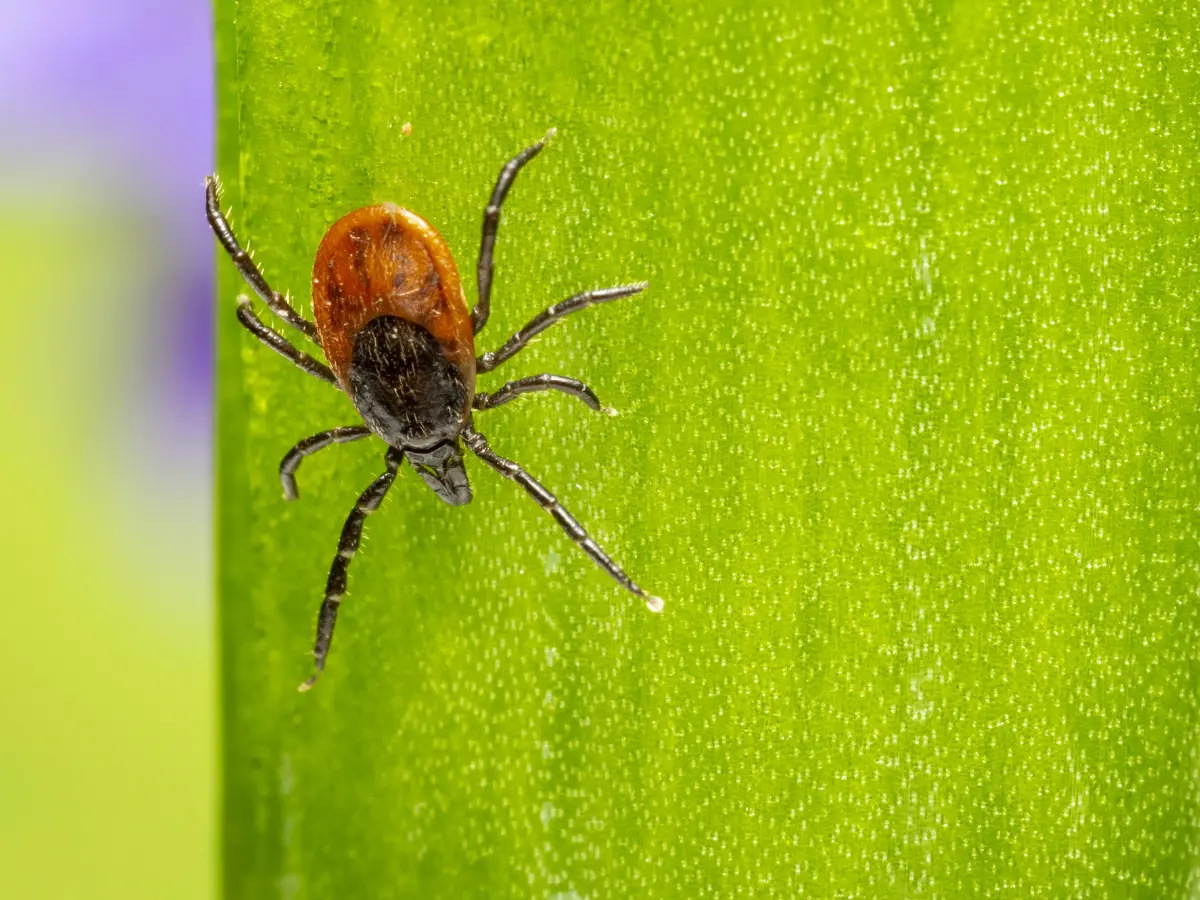
While the man had no clear tick bite marks on his body, there were a dozen “chigger” bites around his ankle, that is the larvae of lone star ticks, which carry the sugar molecule alpha-gal in saliva. It is also found in beef, pork, lamb and the meat of most mammals, and can trigger an allergic reaction. While some people might suffer gastrointestinal problems, others can experience anaphylaxis. Alpha-gal syndrome has no treatment or cure, and the only way to avoid a reaction is to stay away from red meat. “It is important that both doctors and patients who live in an area of the country where Lone Star ticks are common should be aware of the risk of sensitisation,” Dr Platts-Mills said in a press release from UVA Health.


