
&imwidth=800&imheight=600&format=webp&quality=medium "Like it hot? You might be destined to live a long life")
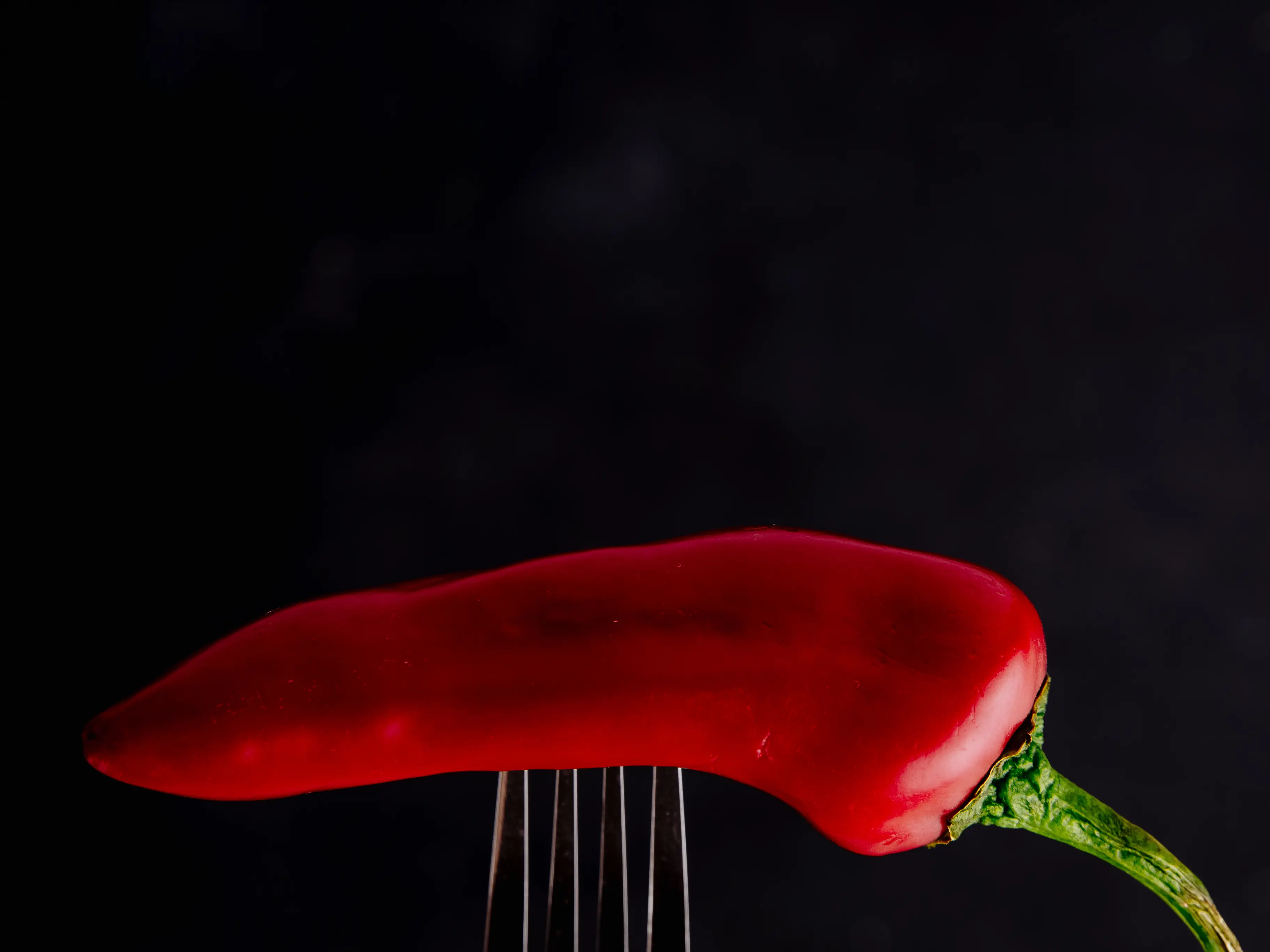
Spicy food has been linked to a longer life according to research done in 2017. The study carried out by the Larner College of Medicine at the University of Vermont shows that eating hot red chili peppers was linked to a 13 per cent lower adjusted risk of death overall in Americans than those who did not. like it hot. Published in PLOS ONE, the research analysed data from 16,179 adults in the National Health and Nutritional Examination Survey (NHANES) III. The data was used from a survey carried out between 1988 and 1994. Participants had an average age of 18.9 years. Over a monitoring period of 273,877 person-years, researchers noted that the overall mortality was 21.6 per cent among those who ate hot red chili peppers, versus 33.6 per cent among those who did not. Even after accounting for variables such as age, health status, and lifestyle choices, the study concluded that eating chili peppers is linked to a statistically significant—albeit modest—increase in life expectancy.
After the 2017 study, more research was carried out in the area, including a 2020 analysis. The analysis presented at the American Heart Association’s Scientific Sessions took into account four major studies where more than 570,000 people in the United States, Italy, China, and Iran were studied for their spicy habits. Those who regularly consumed chili peppers had a 26 per cent lower risk of death from cardiovascular disease, a 23 per cent lower risk of death from cancer, and their risk of death from any other cause also dropped by 25 per cent. “We were surprised to find that in these previously published studies, regular consumption of chili pepper was associated with an overall risk-reduction of all cause, CVD, and cancer mortality,” said senior author Bo Xu, a cardiologist at Cleveland Clinic. However, Xu stressed that the analysis doesn’t prove a direct link between chili peppers and long life, and that more studies need to be carried out.
In 2024, the Chinese Medical Journal also carried out a study on spicy food and longevity. Researchers studied the life of 486,000 Chinese adults for roughly 12 years and noted that those who ate spicy food at least once a week were at a slightly lower risk of cardiovascular disease. However, a clear significant link for stroke did not come up in the analysis. Overall, research suggests spicy foods likely had certain health benefits, especially for heart health. However, the effects are not highly defined. Besides, being based on observations, these studied cannot prove cause and effect. It is possible that people who eat more chili peppers also follow a health lifestyle.


