Heirs of Pablo Picasso selling over 1000 works of famous Spanish artist as NFTs

Pablo Picasso
Famous Spanish artist Pablo Picasso's heirs are selling his 1,010 art pieces as non-fungible tokens (NFTs).
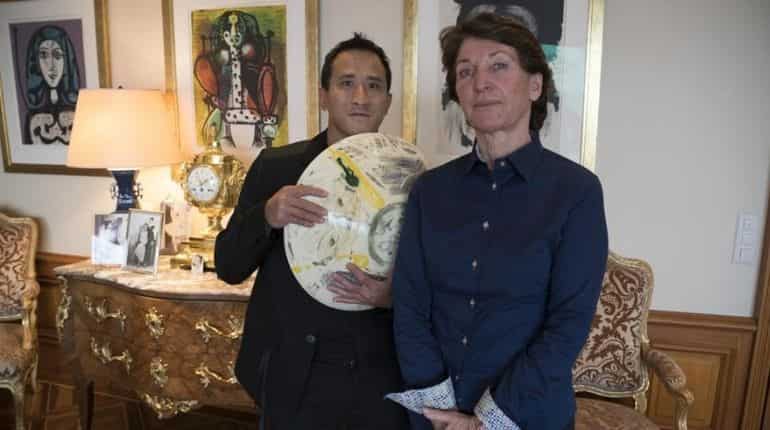
Marina Picasso, the granddaughter of artist Pablo Picasso, and her son Florian Picasso are vaulting into 21st-century commerce andriding a fad for “crypto” assets that have taken the art and financial worlds by storm.
NFTs, a digital signature saved on blockchain ledgers that allows anyone to verify the ownership and authenticity of items, have become the latest investment craze.
NFTs are usually bought with the cryptocurrency Ether or in dollars and the blockchain keeps a record of transactions.
While anyone can view the NFTs, the buyer has the status of being the official owner,a kind of digital bragging rights.
“We’re trying to build a bridge between the NFT world and the fine art world,” said Florian.
“I think it fits within Picasso’s legacies because we are paying tribute to him and his way of working, which was always being creative,” he added.
Meanwhile, Marina said, “It’s a work that represents a face, and it’s very expressive.”
“It’s joyful, happy. It represents life ... It’s one of those objects that have been part of our life, our intimate lives — my life with my children.”
Driven by a surge this year in the market for non-fungible tokens (NFTs), often focused on digital-only artworks and other virtual items , Sotheby's flagged an NFT-linked sale of Picasso's "Le peintre et son modèle" in June last year.
The painting sold for 2.25 million pounds ($3.12 million), though plans for the joint sale of an NFT,a one-of-a-kind token that exists on a blockchain - that would link ownership to a digital version were scrapped, the auction house said.
Connoisseurs of Pablo Picasso will soon be able to own a share in one of his paintings for less than $6,000,though that won't actually buy them the right to see the work, which will be stored under lock and key in Switzerland.
(With inputs from agencies)