Google to launch a mini data centre into space next week

&imwidth=600&imheight=450&format=webp&quality=medium "Google to launch a mini data centre into space next week")
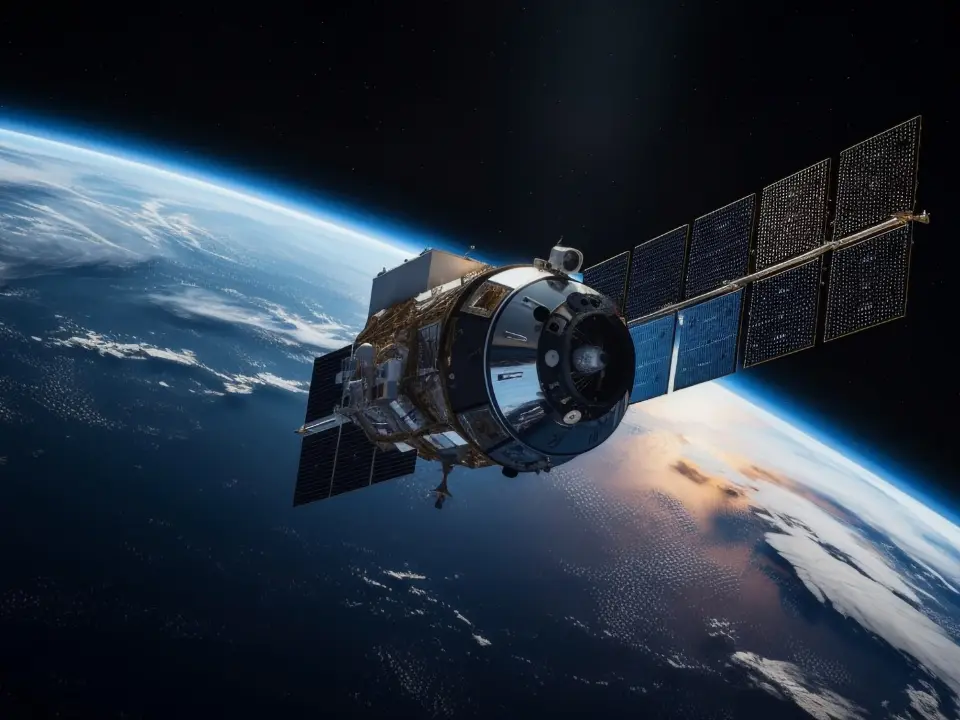
Representational image of a data centre in space Photograph: (AI-Generated image)
Google will launch a small satellite next week as part of its endeavour to have AI data centres in space. SpaceX and Blue Origin have already said that space-based data centres are the new reality. However, they remain a distant dream because of the many challenges.
Google has joined the race to place data centres in space and will launch a small satellite with the power of a single server next week. Elon Musk and Jeff Bezos have already proposed orbital AI computing by deploying specialised satellite constellations. The New York Times reported that the refrigerator-sized satellite is being launched as part of Project Suncatcher. The plan is to utilise sunlight available around the clock to power AI data centers.
The satellite is being stress-tested in a lab and will be launched aboard a SpaceX Falcon 9 rocker on October 1. It will circle Earth for up to six years and will then burn up in the atmosphere. Google senior vice president for research James Manyika told the NYT, that they are "not expecting anything usefully operational in the next few years."
Data centres have attracted ire for their environmental costs, including demand for electricity, pollution and freshwater wastage. Anti-AI activists have been disrupting conferences demanding the common man is involved in the decision making. Recently, a former Anthropic employee raised alarm that AI could wipe humanity off the face of Earth by the end of this decade. Taking data centres to space has been suggested as an alternative, but no one still knows whether they are even viable.
Data centres in space sound like the next step but they comes with a string of problems. First, low-Earth orbit is filled with space junk which can pose a threat to the data centres. Even a simple damage would be a huge problem since fixing data centres in space is not a viable option. Replacing parts would need special logistics, not to mention, will be extremely costly.
Space radiation will damage the onboard electronics which need to be cooled down to function and remain connected with the facilities on Earth. Besides, building massive constellations comes with its own problems. SpaceX plans to launch a million data center satellites, each longer than the International Space Station. Being in space doesn't mean Earth will be immune from the effects. Experts have warned they could still damage the ecology by releasing huge amounts of atmospheric pollution, and the ozone layer will take a direct hit.

