
&imwidth=800&imheight=600&format=webp&quality=medium "South Carolina fears nuclear leak after discovery of wasp next with ten times radioactive levels")
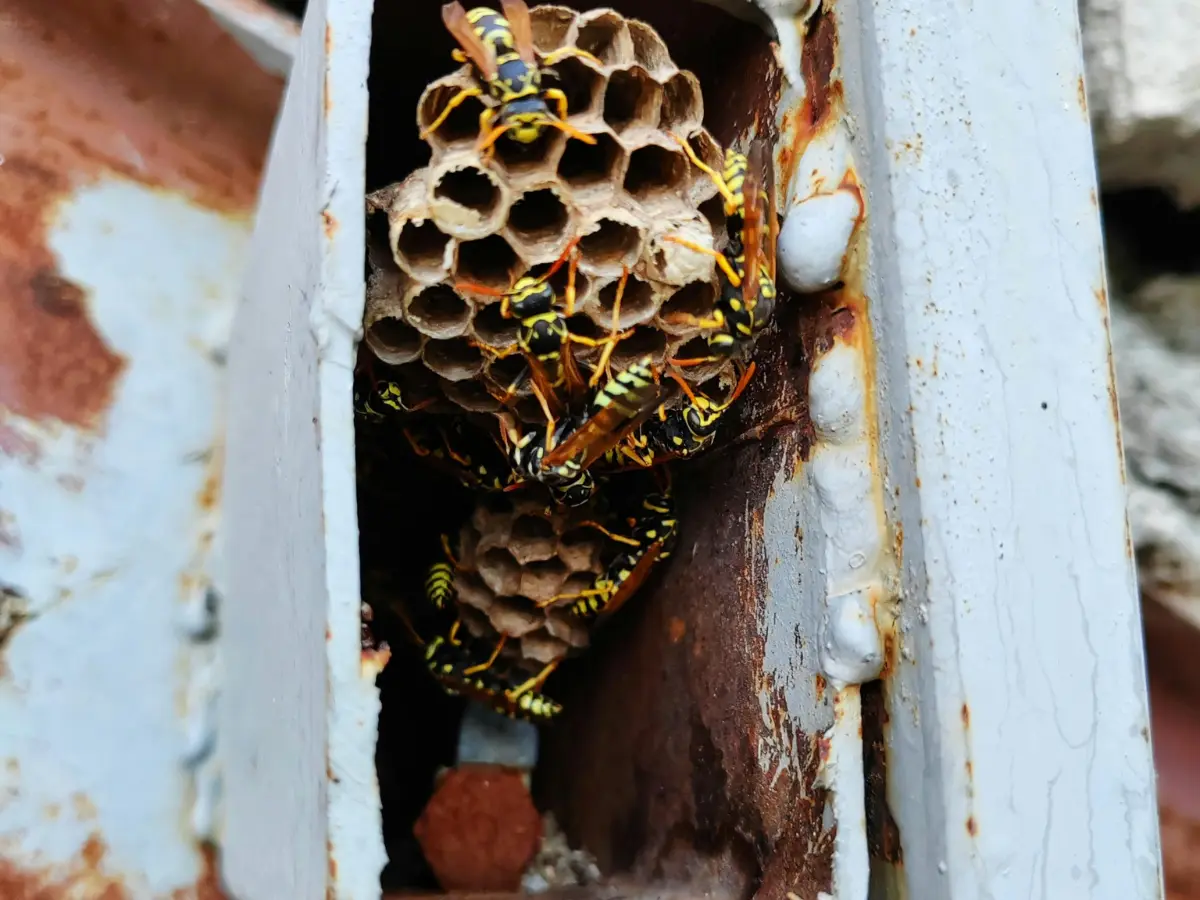
A facility that once produced parts for US nuclear weapons was found to be housing a radioactive wasp nest with extremely high radiation levels. The revelation was made in the US Department of Energy report released last week. The site near Aiken in South Carolina was harbouring a wasp nest with radioactive levels ten times what is permitted. The report stated that there were no wasps in the nest, although it was sprayed to kill any. The nest was then "bagged as radiological waste." The shocking discovery raised fears that the site could have had a nuclear leak. However, the investigators did not find any signs of a leak, BBC reported. They also inspected the nearby area and noted that there was neither any environmental damage nor impact on the public. The Savannah River Site (SRS) is routinely inspected for nuclear radiation. The nest was discovered by workers on 3 July on a post near the tanks that store millions of gallons of liquid nuclear waste. Also Read: Russian nuclear submarine base too close to earthquake epicentre could have sustained damage, experts fear
How did radioactive contamination occur at the site?
A probe was launched to understand how the wasp nest became radioactive. According to investigators, it had occurred due to "onsite legacy radioactive contamination". The plant was once actively producing parts for nuclear bombs during the Cold War. In the 1950s, plutonium was produced here to build the core of nuclear bombs. Residual radioactivity remains at the site from that time, which was carried to the nest. Environmental activists have slammed the government after the discovery of the wasp nest. The insects could have carried radioactive material with them. However, the energy department wrote in its report that the wasps that lived in the nest would have significantly lower radiation levels than the nest. It also doesn't think that the wasps who built the nest would have gone too far. The report mentioned that wasps travel only a few hundred feet from their nest. Since the nest was found in the middle of the Savannah River Site, it is highly unlikely that the wasps went out of the facility. "No contamination was found in the area," the report notes. "There were no impacts to workers, the environment or the public," the report stated. Also Read: Klyuchevskaya volcano eruption is not the last. Several more in Ring of Fire will explode, experts warn

Watchdog slams probe into Savannah River Site
However, experts monitoring the Savannah site are not convinced by the answers. Savannah River Site Watch, a watchdog group, states that those concerned need to come up with a better explanation for the radioactive waste that seeped into the wasp nest. Spokesman Tom Clements told the Associated Press, "I'm as mad as a hornet that SRS didn't explain where the radioactive waste came from or if there is some kind of leak from the waste tanks that the public should be aware of." The site is still active, but only produces material for nuclear power. Reportedly, 43 of the underground tanks are still in use, while only eight have been shut down.

