
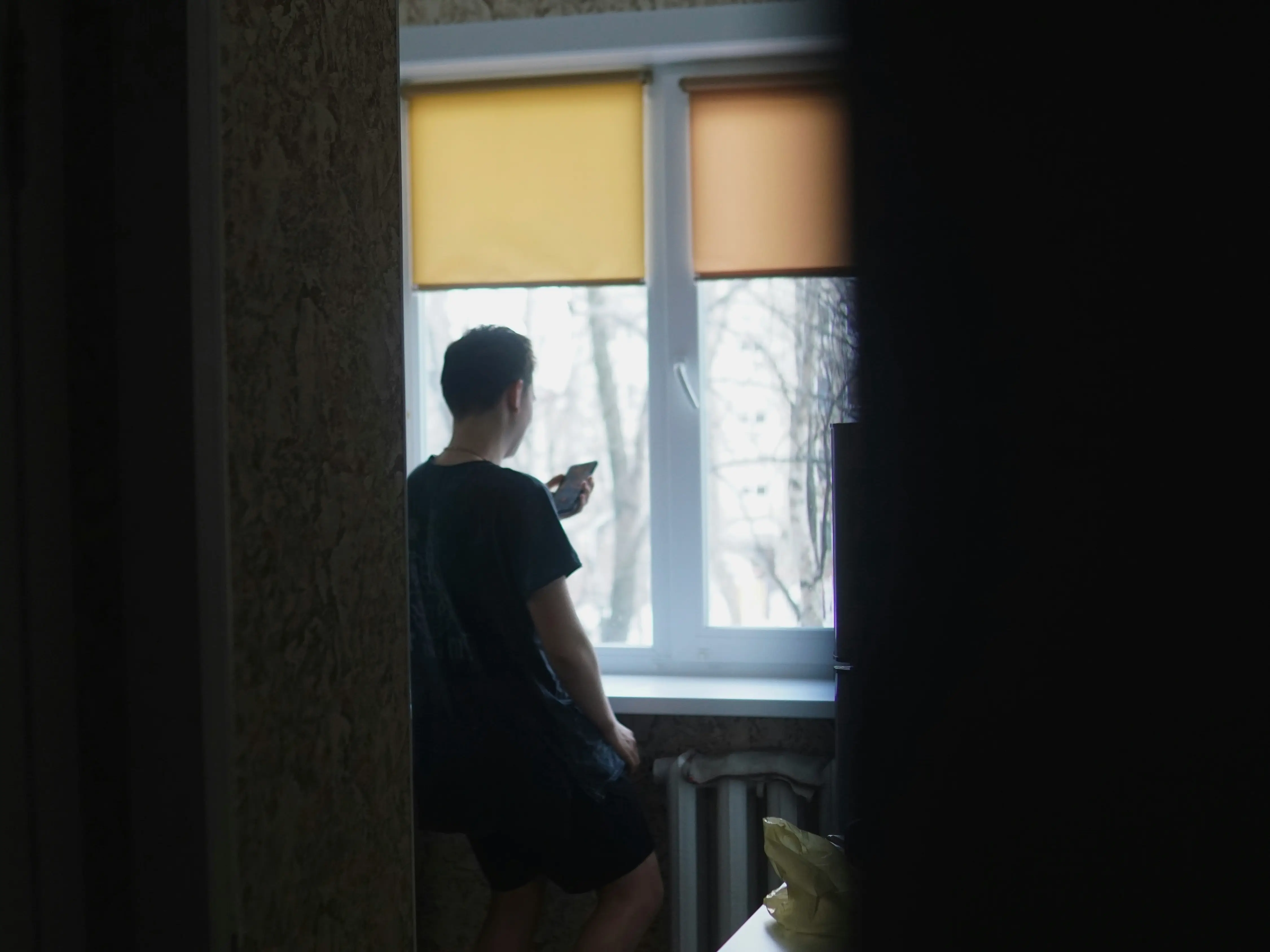
&imwidth=800&imheight=600&format=webp&quality=medium "Covid isolation continues for a group of Gen Z who do not meet anyone even years after lockdowns")
COVID-19 locked the world inside their homes, which led a group of youngsters to completely shun other people. According to a study by the Financial Times, nearly 10 per cent of the Gen Z population has absolutely no interaction with another person in their daily lives. The American Time Use Survey s states that this group of people - aged 23 to 29 - never recovered from the effects of isolation triggered by the pandemic.
Before the lockdowns, in 2019, only 3 per cent of young adults had zero interaction with others. By the time Covid restrictions were eased in late 2021, this number had skyrocketed to 9 per cent. In 2023, it touched 10 per cent, fell slightly in 2024 and 2025. Most youngsters came out of their homes and got into the rigours and adventure that come with this age. However, a small group remained stuck in pandemic times.
Isolation: A choice or natural order of things after COVID-19?

However, experts think they did not choose it; instead, they got used to it. "I would be a little careful about saying that Gen Z has “chosen” to stay away from people. Human behaviour is rarely that simple. Sometimes we don't consciously choose isolation. We slowly get used to it. COVID may have been a major turning point in that process," Dr Munia Bhattacharya, Senior Consultant Psychologist, Marengo Asia Hospitals, Gurugram, told WION.
Before COVID-19 forced people to limit face-to-face interactions, young adults who were extremely active socially spent 87 per cent of their day with other people. During the pandemic, this number stood at 78 per cent, rebounding to 83 per cent in 2025. Meanwhile, for those who earlier spent only about a third of their day with others, the percentage dropped to zero and has not changed.
Avoiding meeting people became convenient
Trending Stories
Bhattacharya says that while meeting friends, going to college, attending parties, travelling, sitting together, and even having those everyday, meaningless conversations became difficult or impossible during the pandemic, everyone discovered that almost everything could happen from home. That convenience has a psychological side to it.
Meeting friends online means the absence of awkward silence or someone’s unexpected reaction. "And the more we avoid something, the harder it can sometimes become to return to it," she says.
Meanwhile, Bhattacharya says COVID might not be the only thing to blame for this isolation. "Social media, academic pressure, career uncertainty, fear of judgement and the constant comparison that young people experience online were already changing the way they related to one another," she believes.
How can this situation be resolved?
First, there is no need to pressure them into meeting people or make them feel guilty for wanting solitude. We need to help them rediscover the comfort of ordinary human contact: the friend sitting beside you, a spontaneous conversation, sharing a meal, laughing without a screen in between.

