‘Can men get pregnant?’ Indian-origin doctor dodges US senator's question 14 times

&imwidth=600&imheight=450&format=webp&quality=medium "‘Can men get pregnant?’ Indian-origin doctor dodges US senator's question 14 times")
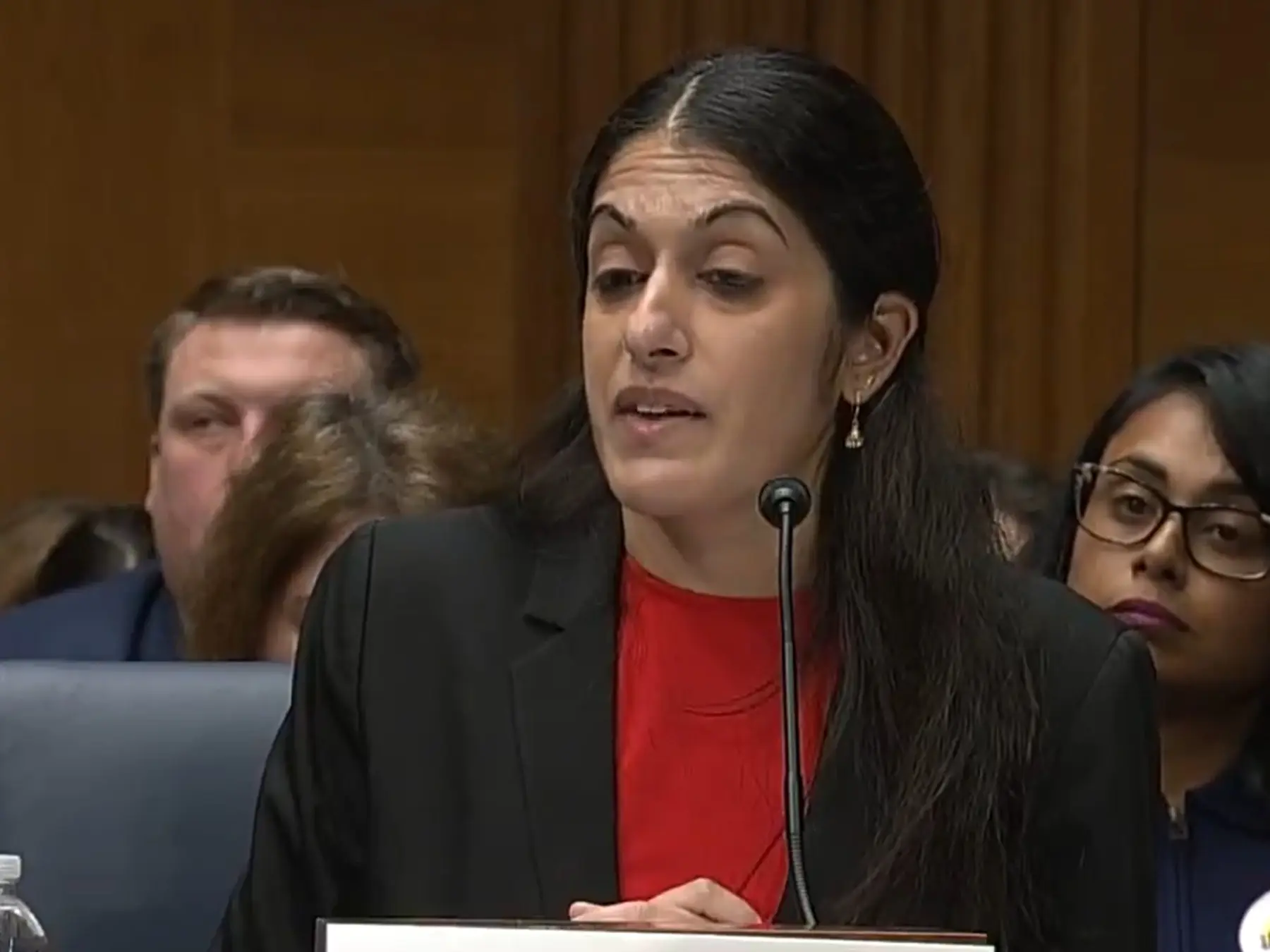
Dr Nisha Verma Photograph: (A screengrab from Senate hearing)
When Dr Nisha Verma questioned the intent behind the query, Senator Hawley said the aim was to establish a biological reality: can men get pregnant?
Unusual scenes unfolded at a Senate hearing in the United States over abortion pills after a question was asked fourteen times without a straight answer. Republican Senator Josh Hawley kept on pushing for a yes or no answer to the priced question "Whether men can get pregnant?” The sharp exchange between the senator and the doctor became viral across social platform sparking widespread interest and response.
An Indian-origin doctor, Nisha Verma, was at the center controversy, who was testifying before a Senate Health, Education, Labour and Pension (HELP) committee hearing on the issue of the safety and regulation of the abortion pill 'mifepristone.' The committee is looking into whether abortion pills could be misused, including cases where men might get hold of them and pressure women into ending pregnancies.
During the hearing, when Hawley posed a direct question 'can men get pregnant?" Verma refused to provide a straight answer, saying “how the conversation was going or what the goal was,” adding that she provides treatments to patients with different identities.
Hawley pushed further by accusing her of avoiding the fact that biological men do not get pregnant. Verma replied, “Science and evidence should guide medicine. But I also think yes or no questions like this are political tools.”
Who Is Dr Nisha Verma?
Dr Nisha Verma is an Indian-American physician specialising in obstetrics and gynaecology. Born in Greensboro, North Carolina, to Indian immigrant parents, she studied biology and anthropology before earning her MD from the University of North Carolina. She completed her internship and OB/GYN residency at Beth Israel Deaconess Medical Centre, followed by a Complex Family Planning Fellowship and an MPH from Emory University.
A double board-certified OB-GYN, Dr Verma currently practises comprehensive reproductive healthcare in Georgia. She is a Fellow with Physicians for Reproductive Health, serves as Senior Advisor for Reproductive Health Policy and Advocacy at the American College of Obstetricians and Gynaecologists (ACOG), and is an Adjunct Assistant Professor at Emory University School of Medicine.