If virtual assistants Alexa or Siri sound like you, then you'll love them more: Study

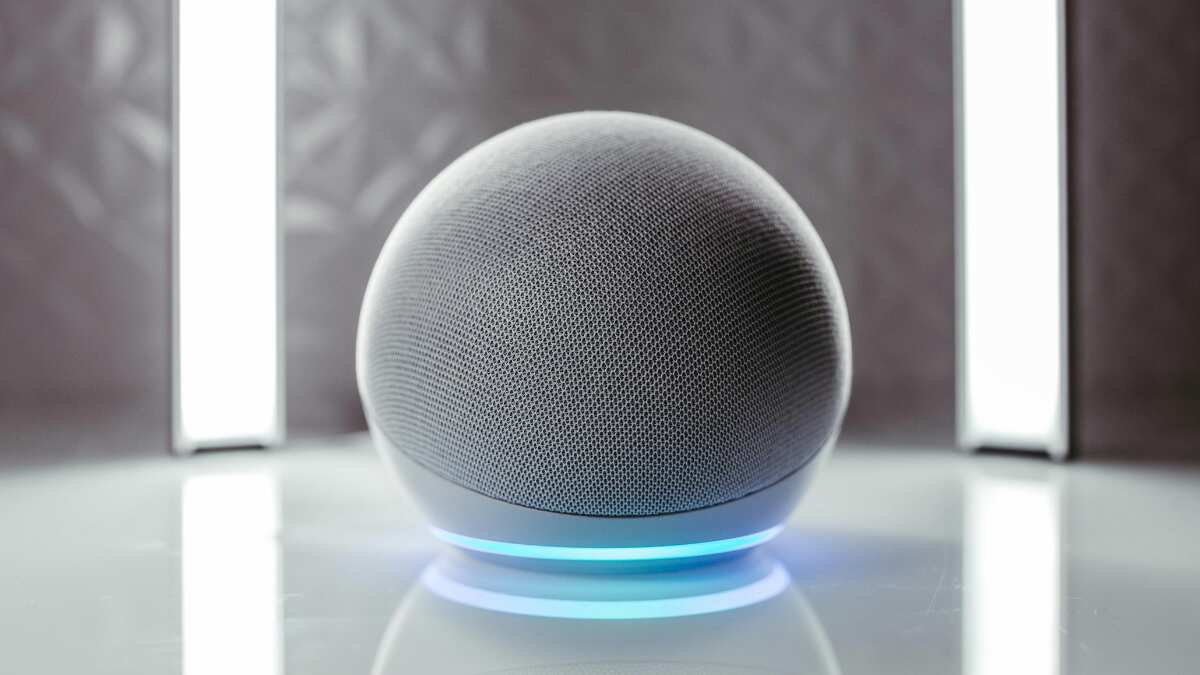
A representative image of Amazon's Voice Assistant Alexa | Pexels
If the voice of virtual voice assistants like Alexa or Siri is similar to yours, then you are more likely to be convinced by their recommendations, new research has found.
The similarity in voice could be in terms of the pitch or speed of the voice as well. For instance, if you speak fast and Alexa's speaking abilities are also synced with how fast you speak as an individual, then you are more likely to be convinced by their recommendations.
The researchers found that increasing personality similarity by automatically matching user and VA voice profiles encouraged users to be less rational about veracity of information presented, such as misinformation about COVID-19 vaccines.
Also watch |AI breakthrough triggered Sam Altman's initial ouster: Report | World Business Watch
In the study, 38 per cent of the unvaccinated individuals changed their minds about vaccination after listening to vaccine misinformation shared by a virtual assistant.
Why was the study conducted?
The study by the Pennsylvania State University was aimed at finding ways to increase user resistance to misinformation. The findings were published in the International Journal of Human-Computer Studies.
"Our study shows that when users interact with a voice assistant that is similar to their personality, they think more highly of the service provided by it," S Shyam Sundar, study co-author and the James P. Jimirro Professor of Media Effects at Penn State, said in an official statement.
"This tendency to equate perceived similarity to credibility was more pronounced among those who customised their experience by choosing a preferred voice for the assistant," Sundar said.
The lead author said that the study had an unexpected finding.
"The greater number of unvaccinated individuals paired with matching VA personalities changing their mind about vaccination was a counterintuitive finding," said lead author Eugene C Snyder, assistant professor of humanities and social sciences at the New Jersey Institute of Technology.
"People often show resistance to persuasive attempts by information sources, like pundits or social media influencers. For the unvaccinated study participants, being faced with misinformation from a VA similar to themselves may have created a kind of resistance. However, further work is needed to clarify this reaction since unvaccinated individuals were a minority in our sample, accounting for 27 per cent of study participants."
What is the bottom-line?
The finding speaks to the nature of how humans process information and that when you hear information from a voice assistant that is similar to yourself, you are likely to process the message more carefully. Thisexact careful processing, according to the authors, is what makes you realise the persuasive angle of the messaging and this is why are resistant to it.
(With inputs from agencies)