ChatGPT not to be listed as a co-author on papers of science journals

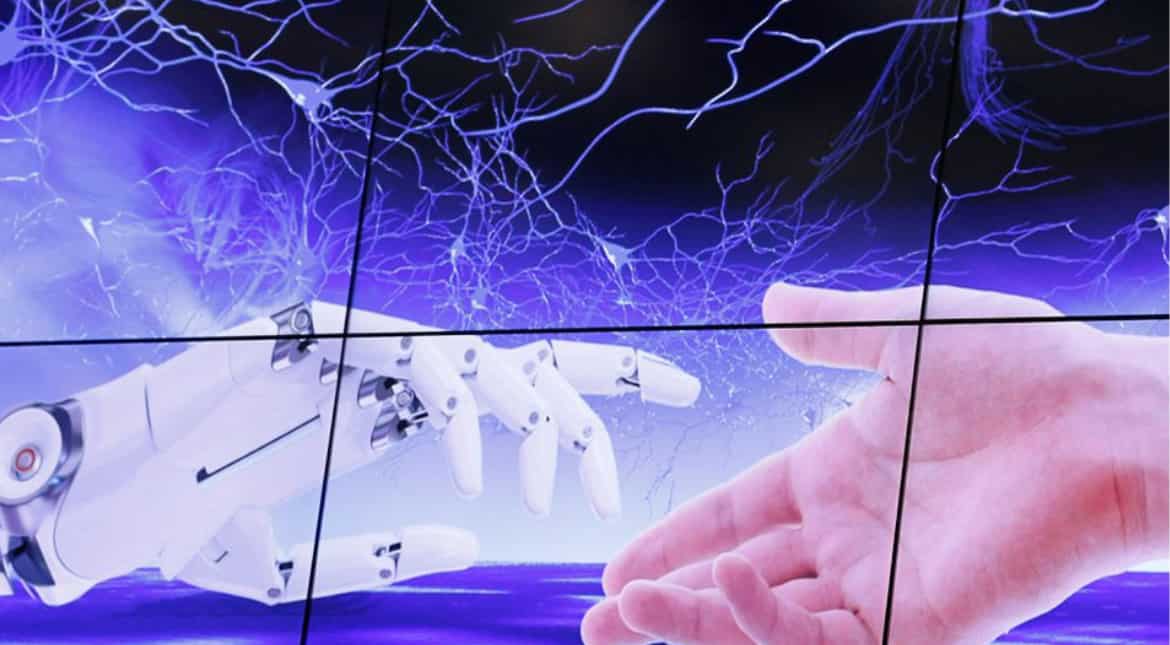
Publishers of science journals restrict ChatGPT from being listed as a co-author on papers.
Thousands of scientific journal publishers have restricted or banned the use of the advanced AI-driven chatbot, ChatGPT, as contributors as concerns were raised that the academic literature can be peppered with flawed and fabricated research.
The super chatbot ChatGPT, which has been developed by OpenAI in California, has left more than a million human users either impressed or distressed by its efficiency to write short stories, essays, poems as well as personal advice in minutes since it was launched in November.
Although the chatbot has turned out to be a great source of fun, the programme carries the capability to produce fake scientific abstracts that can easily mislead human reviewers.
The legitimate uses of ChatGPT in article preparation have created a scenario where the chatbot is being credited as a co-author on some papers.
ChatGPT's sudden arrival has led to a scramble among publishers to reply. Leading US journal Science's editor-in-chief Holden Thorp on Thursday announced the revised editorial policy in which the text created using ChatGPT was banned and it was clarified that the chatbot cannot be listed as an author.
“Given the frenzy that has built up around this, it’s a good idea to make it absolutely explicit that we will not permit ChatGPT to be an author or to have its text used in papers,” said Thorp. "Leading scientific journals require authors to sign a form declaring that they are accountable for their contribution to the work. Since ChatGPT cannot do this, it cannot be an author," Thorp added.
He stated that even the use of ChatGPT in a paper's preparation is problematic. He added that a lot of errors are made by ChatGPT which can be present in the literature and if scientists will depend on AI chatbots for summarising their findings or preparing literature reviews, the work's proper context and the required deep scrutiny to reach a result can be lost.
WATCH | ChatGPT takes the world by storm within 50 days of launch
“That is the opposite direction of where we need to go,” he stated. Similar changes were also introduced by other publishers.
Springer-Nature, which publishes around 3,000 journals, revised its guidelines stating that the researchers cannot list ChatGPT as an author. However, ChatGPT has not been outrightly banned by the publisher. Nature's editor-in-chief Magdalena Skipper said, “The specific development that we felt very strongly that we needed to respond to was the fact that pretty much all of a sudden the tool was appearing as a co-author."
(With inputs from agencies)
You cannow write for wionews.comand be a part of the community. Share your stories and opinions with ushere.
WATCH WION LIVE HERE